









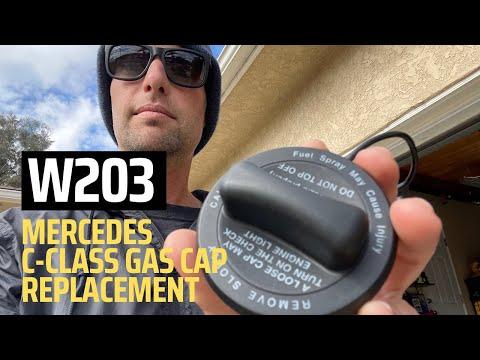





How to Replace the Fuel Cap on a 2016-2023 Mercedes-Benz GLC300 (Fix EVAP Leak & Check Engine Light) (Engine: Inline 4 2.0L)
Step-by-step fuel cap removal and installation with tools, part tips, safety precautions, and post-repair checks
How to Replace the Fuel Cap on a 2016-2023 Mercedes-Benz GLC300 (Fix EVAP Leak & Check Engine Light) (Engine: Inline 4 2.0L)
Step-by-step fuel cap removal and installation with tools, part tips, safety precautions, and post-repair checks for 2016, 2017, 2018, 2019, 2020, 2021, 2022, 2023


🔧 GLC - Fuel Cap Replacement
Replacing the fuel cap is a quick job: you remove the old cap from the filler neck and install a new, correct-sealing cap. A good cap prevents fuel vapor leaks and can fix or prevent an EVAP-related check engine light caused by a weak seal.
Difficulty Level: Beginner | Estimated Time: 0.1-0.3 hours
⚠️ Safety & Precautions
- ⛽ Turn the engine off and keep the key/fob away from the vehicle while working at the fuel door.
- No smoking, flames, or sparks near the fuel filler area.
- Work in a well-ventilated area and avoid breathing fuel vapors.
- Wipe up any spilled fuel immediately and dispose of rags safely.
- Battery disconnect is not required for this repair.
🔧 Required Tools
You'll need the following tools for this repair:
- Nitrile gloves
- Safety glasses
- Clean shop rag
🔩 Required Parts
HowToo sells all the parts you need for this repair:
- Fuel filler cap (correct for GLC) - Qty: 1
📋 Before You Begin
- Park on level ground, shift to Park, and shut the engine off.
- Let the area around the fuel door cool down if the vehicle was just driven.
- Open the fuel door and use a clean shop rag to wipe dust away from the filler area so dirt doesn’t fall into the neck.
🔨 Step-by-Step Instructions
Follow these steps in order:
Step 1: Open the fuel door
- Use your hand to open the fuel door.
- Put on nitrile gloves and safety glasses.
Step 2: Remove the old fuel cap
- Grip the cap and turn it counterclockwise until it comes free.
- If your cap has a tether (the small strap that keeps it attached), let it hang—don’t pull hard on it.
- Tip: Keep the cap opening facing up.
Step 3: Inspect and clean the sealing surfaces
- Use a clean shop rag to wipe the filler neck lip (the round surface the cap seals against).
- Check the old cap’s rubber seal for cracks, flattening, or missing pieces—this is a common cause of EVAP leaks.
Step 4: Install the new fuel cap
- Thread the new cap on by hand (clockwise).
- Keep turning until it fully seats and you feel it tighten firmly. Do not use tools to tighten it.
- If equipped with a tether, make sure it’s not twisted and isn’t pinched by the fuel door.
Step 5: Close the fuel door
- Close the fuel door and press it gently until it latches.
- Use the clean shop rag to wipe any fingerprints or fuel residue.
✅ After Repair
- Start the engine and check that there’s no fuel smell around the fuel door area.
- If you replaced the cap because of a check engine light, it may take a few drive cycles for the EVAP monitor to run and the light to clear on its own. If the light stays on, the system may have another leak.
💰 DIY vs Shop Cost
Shop Cost: $40-$120 (parts + labor)
DIY Cost: $15-$50 (parts only)
You Save: $25-$70 by doing it yourself!
Shop labor rates vary but typically run $100-$150/hour. This repair takes a shop approximately 0.2-0.5 hours.
🎯 Ready to get started?
HowToo makes it easy: same-day/2-day shipping on every part, plus all the tools and specialty tools you need! Check out the parts and tools sections below to add everything to your cart.