













How to Replace the Fuel Cap on a 2012-2020 Chevrolet Silverado 1500 (Fix EVAP Leak) (Engine: V6 4.3L)
Step-by-step install tips, required tools/parts, safety notes, and how to clear check engine codes
How to Replace the Fuel Cap on a 2012-2020 Chevrolet Silverado 1500 (Fix EVAP Leak) (Engine: V6 4.3L)
Step-by-step install tips, required tools/parts, safety notes, and how to clear check engine codes for 2012, 2013


🔧 Silverado 1500 - Fuel Cap Replacement
Replacing your fuel cap is a quick job, but it matters: a loose or faulty cap is one of the most common causes of an EVAP leak and a check-engine light. The goal is to make sure the filler neck seals correctly so fuel vapors don’t escape.
Difficulty Level: Beginner | Estimated Time: 0.1-0.3 hours
⚠️ Safety & Precautions
- ⚠️ Work outside or in a well-ventilated area—fuel vapors are flammable.
- ⚠️ No smoking, sparks, or hot work near the fuel door.
- ⚠️ Turn the engine off and remove the key before starting.
- ⚠️ Do not top off fuel after the pump clicks off (helps protect the EVAP system).
- ⚠️ Battery disconnect is not required.
🔧 Required Tools
You'll need the following tools for this repair:
- Nitrile gloves
- Shop towel
- Flashlight
- OBD2 scan tool (basic) (specialty)
🔩 Required Parts
HowToo sells all the parts you need for this repair:
- Fuel cap - Qty: 1
📋 Before You Begin
- Park on level ground and shut the engine off.
- Let the area sit for a minute if you just drove (reduces vapor pressure at the filler neck).
- Wipe dirt away from the fuel door area using a shop towel so debris doesn’t fall into the filler neck.
🔨 Step-by-Step Instructions
Follow these steps in order:
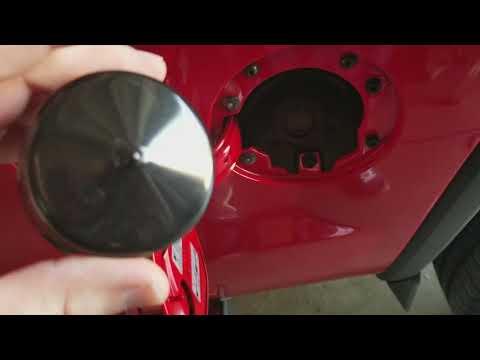
Step 1: Identify your fuel filler style
- Open the fuel door.
- If you see a cap you twist off, follow the Screw-on cap steps below.
- If you do not have a cap and instead see a spring-loaded flap inside the filler neck, follow the Capless notes below.
Step 2: Screw-on cap removal
- Use your hand to turn the cap counterclockwise until it comes off.
- Use a flashlight to inspect the rubber seal (the ring that seals vapors) for cracks, flattening, or missing pieces.
Step 3: Clean the sealing surface
- Use a shop towel to wipe the filler neck rim where the cap seal sits.
- Clean and dry seals best.
Step 4: Install the new screw-on cap
- Thread the new cap on by hand clockwise.
- Keep turning until you feel it fully seat; if your replacement cap is the ratcheting type, continue until it clicks a few times.
- Do not use tools to tighten the cap (can damage the seal and threads).
Step 5: Capless filler (if equipped)
- If your Silverado 1500 has a capless filler, there typically isn’t a “fuel cap” to replace.
- Use a flashlight to inspect the flap and sealing area for dirt or damage; wipe the area with a shop towel.
- If the capless seal is damaged and you’re getting EVAP leak codes, the repair is usually replacing the capless filler housing/neck seal assembly (different procedure and part than a screw-on cap).
✅ After Repair
- Start the engine and confirm there’s no fuel smell near the filler door.
- If you had a check-engine light: use an OBD2 scan tool (basic) (specialty) to clear codes, or it may clear on its own after several normal drive cycles if the seal is fixed.
- If the light returns with EVAP codes (like “small leak”), re-check cap tightness and the filler neck sealing surface.
💰 DIY vs Shop Cost
Shop Cost: $30-$120 (parts + labor)
DIY Cost: $10-$45 (parts only)
You Save: $20-$75 by doing it yourself!
Shop labor rates vary but typically run $100-$150/hour. This repair takes a shop approximately 0.1-0.3 hours.
🎯 Ready to get started?
HowToo makes it easy: same-day/2-day shipping on every part, plus all the tools and specialty tools you need! Check out the parts and tools sections below to add everything to your cart.
Guide for Fuel Tank Cap replace for these Chevrolet vehicles
| Year Make Model | Sub Model | Engine | Body Style |
|---|---|---|---|
| 2020 Chevrolet Silverado 1500 | - | V8 5.3L | - |
| 2020 Chevrolet Silverado 1500 | - | V8 6.2L | - |
| 2020 Chevrolet Silverado 1500 | - | V6 4.3L | - |
| 2020 Chevrolet Silverado 1500 | - | Inline 4 2.7L | - |
| 2016 Chevrolet Silverado 1500 | - | V8 5.3L | - |
| 2016 Chevrolet Silverado 1500 | - | V8 6.2L | - |
| 2016 Chevrolet Silverado 1500 | - | V6 4.3L | - |
| 2015 Chevrolet Silverado 1500 | - | V8 5.3L | - |
| 2015 Chevrolet Silverado 1500 | - | V8 6.2L | - |
| 2015 Chevrolet Silverado 1500 | - | V6 4.3L | - |
| 2014 Chevrolet Silverado 1500 | - | V8 5.3L | - |
| 2014 Chevrolet Silverado 1500 | - | V8 6.2L | - |
| 2014 Chevrolet Silverado 1500 | - | V6 4.3L | - |
| 2013 Chevrolet Silverado 1500 | - | V8 6.0L | - |
| 2013 Chevrolet Silverado 1500 | - | V8 4.8L | - |
| 2013 Chevrolet Silverado 1500 | - | V8 5.3L | - |
| 2013 Chevrolet Silverado 1500 | - | V8 6.2L | - |
| 2013 Chevrolet Silverado 1500 | - | V6 4.3L | - |
| 2012 Chevrolet Silverado 1500 | - | V8 6.0L | - |
| 2012 Chevrolet Silverado 1500 | - | V8 4.8L | - |
| 2012 Chevrolet Silverado 1500 | - | V8 5.3L | - |
| 2012 Chevrolet Silverado 1500 | - | V8 6.2L | - |
| 2012 Chevrolet Silverado 1500 | - | V6 4.3L | - |