









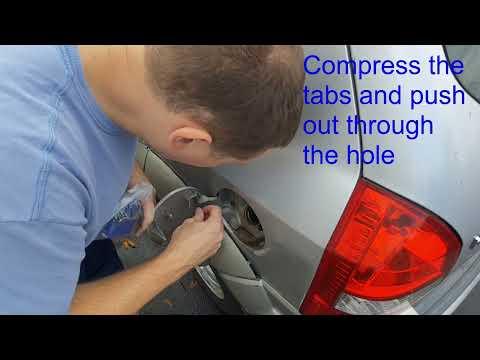




How to Replace the Fuel Cap on a 2005-2021 Hyundai Tucson (Engine: Inline 4 2.4L)
Step-by-step DIY guide with safety tips, parts needed, and check engine light notes
How to Replace the Fuel Cap on a 2005-2021 Hyundai Tucson (Engine: Inline 4 2.4L)
Step-by-step DIY guide with safety tips, parts needed, and check engine light notes for 2005, 2006, 2007, 2008, 2009, 2011, 2012, 2013, 2014, 2015, 2016, 2017, 2018, 2019, 2020, 2021


🔧 Tucson - Fuel Cap Replacement
Replacing the fuel cap on your Tucson is a quick beginner repair. A worn or loose fuel cap can trigger an evaporative emissions leak warning, often causing a check engine light with codes like P0455, P0456, or P0442.
Difficulty Level: Beginner | Estimated Time: 5-10 minutes
⚠️ Safety & Precautions
- ⚠️ Work in a well-ventilated area away from open flames, cigarettes, heaters, or sparks.
- ⚠️ Do not replace the cap while fueling or while fuel vapors are heavy around the filler neck.
- ⚠️ No battery disconnect is required for this repair.
🔧 Required Tools
You'll need the following tools for this repair:
- Safety glasses
- Nitrile gloves
🔩 Required Parts
HowToo sells all the parts you need for this repair:
- Fuel cap - Qty: 1
📋 Before You Begin
- Park your Tucson on level ground and shift the transmission into Park.
- Set the parking brake.
- Turn the ignition fully OFF and remove the key.
- Let the vehicle sit for a minute if you just finished fueling, so fuel vapors can clear.
- A fuel cap seal is the rubber ring on the cap that keeps fuel vapors sealed inside the tank.
🔨 Step-by-Step Instructions
Follow these steps in order:
Step 1: Open the Fuel Door
- Use your hand to pull the fuel door release lever inside your Tucson, near the driver’s lower-left area.
- Walk to the fuel door and open it fully by hand.
- Open slowly to avoid bending the hinge.
Step 2: Remove the Old Fuel Cap
- Put on nitrile gloves and safety glasses.
- Use your hand to turn the fuel cap counterclockwise until it comes loose.
- If the cap has a tether strap, pull the end of the tether off the fuel door or filler area by hand.
- No torque spec is used here; the cap is hand-tightened only.
Step 3: Inspect the Filler Neck
- Use your eyes to check the metal fuel filler neck where the cap seals.
- Look for dirt, cracks, rust, or anything stuck on the sealing surface.
- If needed, wipe the area gently with a clean dry cloth.
- Do not use sharp tools on the filler neck sealing surface.
Step 4: Install the New Fuel Cap
- If the new fuel cap includes a tether, attach the tether to the original fuel door or filler area mounting point by hand.
- Place the new fuel cap onto the filler neck.
- Use your hand to turn the cap clockwise until it clicks several times.
- Torque to hand-tight only; stop after 3 or more clicks.
- The clicks mean the cap is sealed.
Step 5: Close the Fuel Door
- Use your hand to swing the fuel door closed.
- Press it gently until it latches flush with the body.
- Make sure the tether is not pinched between the door and body.
✅ After Repair
- Start your Tucson and check that the fuel door stays closed properly.
- If the check engine light was on from a loose or leaking fuel cap, it may take several drive cycles to turn off by itself.
- A drive cycle means a normal trip where the engine warms up, the vehicle is driven, and then shut off.
- If the light stays on after several days, scan for diagnostic trouble codes before replacing more parts.
💰 DIY vs Shop Cost
Shop Cost: $45-$100 parts + labor
DIY Cost: $10-$35 parts only
You Save: $35-$65 by doing it yourself!
Shop labor rates vary but typically run $100-$150/hour. This repair takes a shop approximately 0.2-0.3 hours.
🎯 Ready to get started?
HowToo makes it easy: same-day/2-day shipping on every part, plus all the tools and specialty tools you need! Check out the parts and tools sections below to add everything to your cart.
Guide for Fuel Tank Cap replace for these Hyundai vehicles
| Year Make Model | Sub Model | Engine | Body Style |
|---|---|---|---|
| 2021 Hyundai Tucson | - | Inline 4 2.0L | - |
| 2021 Hyundai Tucson | - | Inline 4 2.4L | - |
| 2020 Hyundai Tucson | - | Inline 4 2.0L | - |
| 2020 Hyundai Tucson | - | Inline 4 2.4L | - |
| 2019 Hyundai Tucson | - | Inline 4 2.0L | - |
| 2019 Hyundai Tucson | - | Inline 4 2.4L | - |
| 2018 Hyundai Tucson | - | Inline 4 2.0L | - |
| 2018 Hyundai Tucson | - | Inline 4 2.4L | - |
| 2018 Hyundai Tucson | - | Inline 4 1.6L | - |
| 2017 Hyundai Tucson | - | Inline 4 2.0L | - |
| 2017 Hyundai Tucson | - | Inline 4 1.6L | - |
| 2016 Hyundai Tucson | - | Inline 4 2.0L | - |
| 2016 Hyundai Tucson | - | Inline 4 1.6L | - |
| 2015 Hyundai Tucson | - | Inline 4 2.0L | - |
| 2015 Hyundai Tucson | - | Inline 4 2.4L | - |
| 2014 Hyundai Tucson | - | Inline 4 2.0L | - |
| 2014 Hyundai Tucson | - | Inline 4 2.4L | - |
| 2013 Hyundai Tucson | - | Inline 4 2.0L | - |
| 2013 Hyundai Tucson | - | Inline 4 2.4L | - |
| 2012 Hyundai Tucson | - | Inline 4 2.0L | - |
| 2012 Hyundai Tucson | - | Inline 4 2.4L | - |
| 2011 Hyundai Tucson | - | Inline 4 2.0L | - |
| 2011 Hyundai Tucson | - | Inline 4 2.4L | - |
| 2010 Hyundai Tucson | - | Inline 4 2.4L | - |
| 2009 Hyundai Tucson | - | Inline 4 2.0L | - |
| 2009 Hyundai Tucson | - | V6 2.7L | - |
| 2008 Hyundai Tucson | - | Inline 4 2.0L | - |
| 2008 Hyundai Tucson | - | V6 2.7L | - |
| 2007 Hyundai Tucson | - | Inline 4 2.0L | - |
| 2007 Hyundai Tucson | - | V6 2.7L | - |
| 2006 Hyundai Tucson | - | Inline 4 2.0L | - |
| 2006 Hyundai Tucson | - | V6 2.7L | - |
| 2005 Hyundai Tucson | - | Inline 4 2.0L | - |
| 2005 Hyundai Tucson | - | V6 2.7L | - |