









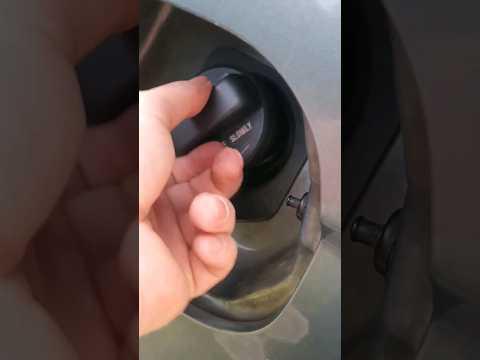





How to Replace the Fuel Cap on a 1997-2016 Honda CR-V (Engine: Inline 4 2.4L)
Step-by-step instructions with safety tips, tools, parts, and EVAP leak guidance
How to Replace the Fuel Cap on a 1997-2016 Honda CR-V (Engine: Inline 4 2.4L)
Step-by-step instructions with safety tips, tools, parts, and EVAP leak guidance for 1997, 1998, 1999, 2000, 2001


🔧 Fuel Cap - Replacement
The fuel cap on your CR-V is a simple twist-on part that seals the fuel system. If the seal is cracked, the cap won’t tighten, or the check engine light is on for an evaporative leak, replacing the cap is the first thing to try.
Difficulty Level: Beginner | Estimated Time: 0.1-0.2 hours
⚠️ Safety & Precautions
- Work outside or in a well-ventilated area.
- Keep cigarettes, sparks, and open flame away from the fuel filler area.
- Do not over-tighten the new cap; it should click into place.
- If the fuel door or filler neck is damaged, the cap alone may not fix the issue.
🔧 Required Tools
You'll need the following tools for this repair:
- Gloves
- Safety glasses
- Clean microfiber towel
🔩 Required Parts
HowToo sells all the parts you need for this repair:
- Fuel cap - Qty: 1
📋 Before You Begin
- Park on level ground and switch the engine off.
- Make sure the fuel door area is clean before removing the old cap.
- If the old cap has a tether, keep it from hanging or twisting.
🔨 Step-by-Step Instructions
Follow these steps in order:
Step 1: Open the fuel door
- Press the fuel door release inside the cabin if needed.
- Inspect the cap area for dirt, cracks, or missing seal pieces.
Step 2: Remove the old fuel cap
- Use your hand to turn the cap counterclockwise.
- Remove it fully and let it hang on the tether if equipped.
Step 3: Inspect and clean the filler neck
- Use a clean microfiber towel to wipe the sealing surface.
- Look for rust, dirt, or damage on the filler neck.
Step 4: Install the new fuel cap
- Place the new cap on the filler neck and turn it clockwise by hand.
- Keep tightening until you hear several clicks.
- Torque: Hand-tight only. Do not use tools.
- Stop when it clicks firmly.
Step 5: Close the fuel door
- Close the fuel door carefully and make sure it latches.
- Check that the cap sits straight and does not wobble.
✅ After Repair
- Start the vehicle and make sure the fuel door area is secure.
- If the check engine light was on, it may take a few drive cycles to clear on its own.
- If the light stays on after several trips, the leak may be elsewhere in the EVAP system.
💰 DIY vs Shop Cost
Shop Cost: $60-$120 (parts + labor)
DIY Cost: $15-$40 (parts only)
You Save: $45-$80 by doing it yourself!
Shop labor rates vary but typically run $100-$150/hour. This repair takes a shop approximately 0.1-0.2 hours.
🎯 Ready to get started?
HowToo makes it easy: same-day/2-day shipping on every part, plus all the tools and specialty tools you need! Check out the parts and tools sections below to add everything to your cart.
Guide for Fuel Tank Cap replace for these Honda vehicles
| Year Make Model | Sub Model | Engine | Body Style |
|---|---|---|---|
| 2016 Honda CR-V | - | Inline 4 2.4L | - |
| 2015 Honda CR-V | - | Inline 4 2.4L | - |
| 2014 Honda CR-V | - | Inline 4 2.4L | - |
| 2013 Honda CR-V | - | Inline 4 2.4L | - |
| 2012 Honda CR-V | - | Inline 4 2.4L | - |
| 2004 Honda CR-V | - | Inline 4 2.4L | - |
| 2003 Honda CR-V | - | Inline 4 2.4L | - |
| 2002 Honda CR-V | - | Inline 4 2.4L | - |
| 2001 Honda CR-V | - | Inline 4 2.0L | - |
| 2000 Honda CR-V | - | Inline 4 2.0L | - |
| 1999 Honda CR-V | - | Inline 4 2.0L | - |
| 1998 Honda CR-V | - | Inline 4 2.0L | - |
| 1997 Honda CR-V | - | Inline 4 2.0L | - |