













How to Replace the Fuel Cap on a 1983-2019 Toyota Camry (Fix EVAP Leak & Check Engine Light) (Engine: V6 3.5L)
Step-by-step fuel cap replacement with tools, part tips, safety precautions, and post-repair EVAP checks
How to Replace the Fuel Cap on a 1983-2019 Toyota Camry (Fix EVAP Leak & Check Engine Light) (Engine: V6 3.5L)
Step-by-step fuel cap replacement with tools, part tips, safety precautions, and post-repair EVAP checks for 1983, 1984, 1985, 1986, 1987, 1988


🔧 Camry - Fuel Cap Replacement
Replacing your Camry’s fuel cap is a quick job that helps prevent EVAP leaks (fuel vapor leaks) that can trigger a check engine light. A good cap also keeps the seal tight so fuel vapors don’t escape.
Difficulty Level: Beginner | Estimated Time: 0.1-0.3 hours
⚠️ Safety & Precautions
- ⚠️ Work outside or in a well-ventilated area (fuel vapors).
- ⚠️ No smoking, sparks, or open flames near the fuel door.
- ⚠️ Turn the engine OFF before opening the fuel door.
- ⚠️ Battery disconnect is not required.
🔧 Required Tools
You'll need the following tools for this repair:
- Nitrile gloves
- Shop towel
- Flashlight
🔩 Required Parts
HowToo sells all the parts you need for this repair:
- Fuel cap (OEM-style, tethered if equipped) - Qty: 1
📋 Before You Begin
- Park on level ground and turn the engine off.
- Make sure the fuel door area is clean so dirt doesn’t fall into the filler neck (the metal opening where fuel goes).
🔨 Step-by-Step Instructions
Follow these steps in order:
Step 1: Open the fuel door
- Use the fuel door release lever inside the car (near the driver’s seat area) to pop the fuel door open.
- Use a flashlight if it’s hard to see inside the fuel door pocket.
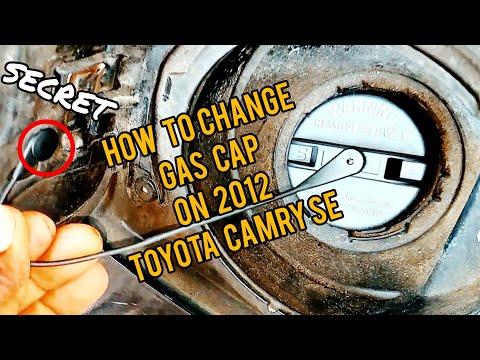
Step 2: Remove the old fuel cap
- Turn the cap counterclockwise by hand until it comes off.
- If the cap has a tether (a small strap that keeps it from getting lost), let it hang—don’t yank it.
- Use nitrile gloves if you want to avoid fuel smell on your hands.
Step 3: Inspect and clean the sealing surfaces
- Use a shop towel to wipe the filler neck sealing lip (where the cap’s gasket seals).
- Check the old cap’s rubber seal (gasket) for cracks, flattening, or swelling. Bad seals often cause EVAP leaks.
Step 4: Install the new fuel cap
- Place the new cap on the filler neck and turn it clockwise by hand.
- Tighten until you feel/hear it “click” and it stops (do not use tools).
- If your new cap is tethered, make sure the tether isn’t twisted or pinched.
Step 5: Close the fuel door
- Push the fuel door closed until it latches.
✅ After Repair
- Start the engine and make sure there’s no fuel smell around the fuel door.
- If your check engine light was on due to a loose/bad cap, it may take a few drive cycles to turn off on its own.
- If the light stays on after a few days of normal driving, a scan tool may be needed to check EVAP codes.
💰 DIY vs Shop Cost
Shop Cost: $40-$120 (parts + labor)
DIY Cost: $15-$45 (parts only)
You Save: $25-$75 by doing it yourself!
Shop labor rates vary but typically run $100-$150/hour. This repair takes a shop approximately 0.2-0.5 hours.
🎯 Ready to get started?
HowToo makes it easy: same-day/2-day shipping on every part, plus all the tools and specialty tools you need! Check out the parts and tools sections below to add everything to your cart.
Guide for Fuel Tank Cap replace for these Toyota vehicles
| Year Make Model | Sub Model | Engine | Body Style |
|---|---|---|---|
| 2019 Toyota Camry | - | V6 3.5L | - |
| 2019 Toyota Camry | - | Inline 4 2.5L | - |
| 2018 Toyota Camry | - | V6 3.5L | - |
| 2018 Toyota Camry | - | Inline 4 2.5L | - |
| 2017 Toyota Camry | - | V6 3.5L | - |
| 2017 Toyota Camry | - | Inline 4 2.5L | - |
| 2016 Toyota Camry | - | V6 3.5L | - |
| 2016 Toyota Camry | - | Inline 4 2.5L | - |
| 2015 Toyota Camry | - | V6 3.5L | - |
| 2015 Toyota Camry | - | Inline 4 2.5L | - |
| 2014 Toyota Camry | - | V6 3.5L | - |
| 2014 Toyota Camry | - | Inline 4 2.5L | - |
| 2013 Toyota Camry | - | V6 3.5L | - |
| 2013 Toyota Camry | - | Inline 4 2.5L | - |
| 2012 Toyota Camry | - | V6 3.5L | - |
| 2012 Toyota Camry | - | Inline 4 2.5L | - |
| 2011 Toyota Camry | - | Inline 4 2.4L | - |
| 2011 Toyota Camry | - | V6 3.5L | - |
| 2011 Toyota Camry | - | Inline 4 2.5L | - |
| 2010 Toyota Camry | - | Inline 4 2.4L | - |
| 2010 Toyota Camry | - | V6 3.5L | - |
| 2010 Toyota Camry | - | Inline 4 2.5L | - |
| 2009 Toyota Camry | - | Inline 4 2.4L | - |
| 2009 Toyota Camry | - | V6 3.5L | - |
| 2008 Toyota Camry | - | Inline 4 2.4L | - |
| 2008 Toyota Camry | - | V6 3.5L | - |
| 2007 Toyota Camry | - | Inline 4 2.4L | - |
| 2007 Toyota Camry | - | V6 3.5L | - |
| 2001 Toyota Camry | - | Inline 4 2.2L | - |
| 2001 Toyota Camry | - | V6 3.0L | - |
| 2000 Toyota Camry | - | Inline 4 2.2L | - |
| 2000 Toyota Camry | - | V6 3.0L | - |
| 1999 Toyota Camry | - | Inline 4 2.2L | - |
| 1999 Toyota Camry | - | V6 3.0L | - |
| 1998 Toyota Camry | - | Inline 4 2.2L | - |
| 1998 Toyota Camry | - | V6 3.0L | - |
| 1988 Toyota Camry | - | Inline 4 2.0L | - |
| 1988 Toyota Camry | - | V6 2.5L | - |
| 1987 Toyota Camry | - | Inline 4 2.0L | - |
| 1986 Toyota Camry | - | Inline 4 2.0L | - |
| 1986 Toyota Camry | - | Inline 4 1.8L | - |
| 1985 Toyota Camry | - | Inline 4 2.0L | - |
| 1985 Toyota Camry | - | Inline 4 1.8L | - |
| 1984 Toyota Camry | - | Inline 4 2.0L | - |
| 1984 Toyota Camry | - | Inline 4 1.8L | - |
| 1983 Toyota Camry | - | Inline 4 2.0L | - |