









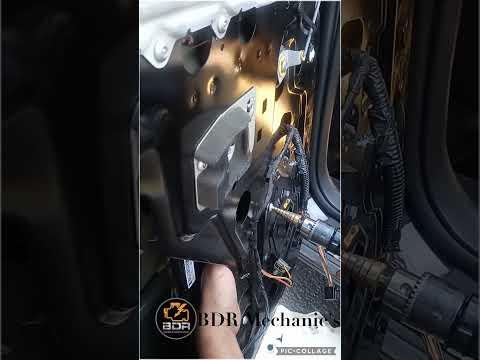




How to Replace the Front Window Regulator on a 2019 Honda Insight (Driver or Passenger)
Step-by-step door panel removal, tools/parts list, safety tips, and window reset after installation
How to Replace the Front Window Regulator on a 2019 Honda Insight (Driver or Passenger)
Step-by-step door panel removal, tools/parts list, safety tips, and window reset after installation


🔧 Insight - Front Window Regulator Replacement
On your Insight, the front window regulator is the cable-and-track assembly inside the door that moves the glass up and down. Replacing it requires removing the interior door panel, securing the glass, unbolting the regulator, then reinstalling and verifying smooth operation.
Before I give you the exact bolt locations + torque specs for your exact side: which front door are we doing (driver or passenger), and are you replacing the regulator only or the regulator with motor (complete assembly)?
Difficulty Level: Intermediate | Estimated Time: 1.5-3.0 hours (first-timer)
⚠️ Safety & Precautions
- ⚠️ Keep hands clear of the regulator “scissor/cable” area; it can pinch hard.
- ⚠️ Support the window glass with tape or a helper before loosening glass clamps.
- ⚠️ Turn ignition OFF and keep the key away so the window switch can’t be bumped.
- ⚠️ Use trim tools to avoid breaking clips and cutting yourself on sharp door metal.
🔧 Required Tools
You'll need the following tools for this repair:
- Safety glasses
- Mechanic gloves
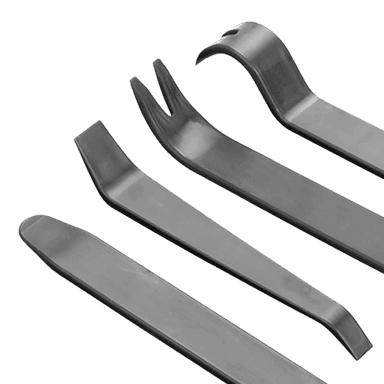
- Trim removal tool set
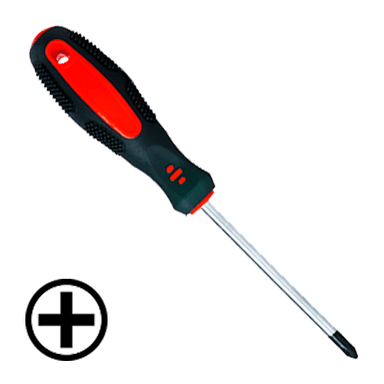
- Phillips screwdriver
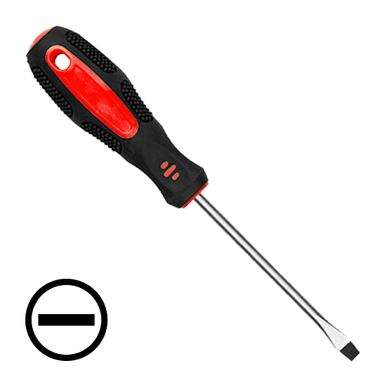
- Flat-blade screwdriver (small)
- Ratchet
- 10mm socket
- 12mm socket
- Extension bar (3 in)
- Torque wrench (5–80 Nm range)
- Needle-nose pliers
- Painters tape (2 in wide)
- Pick tool
- Work light
🔩 Required Parts
HowToo sells all the parts you need for this repair:
- Front window regulator (driver side) - Qty: 1
- Front window regulator (passenger side) - Qty: 1
- Front window regulator with motor (driver side) - Qty: 1
- Front window regulator with motor (passenger side) - Qty: 1
- Door panel trim clips - Qty: 6-12
- Butyl door vapor-barrier tape - Qty: 1
📋 Before You Begin
- Park on level ground, shift to Park, and turn the ignition OFF.
- Lower the window to about halfway if it still moves (this usually lines up the glass fasteners in the access holes).
- Have painters tape ready to secure the glass to the door frame once the regulator is disconnected.
- If you’ll unplug the window motor or switch connectors, wait 60 seconds after ignition OFF before unplugging. Helps avoid accidental commands.
🔨 Step-by-Step Instructions
Follow these steps in order:
Step 1: Confirm the correct side & part style
- Tell me: driver or passenger front door.
- Tell me: regulator only or regulator with motor.
- Once confirmed, I’ll give you the exact fastener locations and the correct Torque to XX Nm (YY ft-lbs) values for your Insight.
Step 2: Remove the interior door panel
- Use a trim removal tool set to pry off the small trim covers hiding screws (usually near the door pull and handle area).
- Remove the exposed screws using a Phillips screwdriver and/or 10mm socket (varies by location).
- Use a trim removal tool set to pop the door panel clips free around the edges.
- Lift the panel upward to unhook it from the window ledge.
- Disconnect electrical connectors using a pick tool (press the tab, then pull). Don’t yank on wires.
Step 3: Peel back the vapor barrier
- Use your hands and a trim removal tool set to carefully peel the plastic vapor barrier back (don’t tear it).
- If the butyl adhesive is messy or won’t reseal, plan to use butyl door vapor-barrier tape during reassembly.
Step 4: Secure the window glass
- Use painters tape (2 in wide) to tape the glass to the door frame (run several strips over the top of the door frame).
- If the glass is loose, have a helper hold it while you tape it.
Step 5: Disconnect the glass from the regulator
- Use a work light to locate the glass-to-regulator clamp/bolts through the door access openings.
- Use a 10mm socket with a ratchet and extension bar (3 in) to loosen/remove the glass fasteners.
- Once free, make sure the glass stays fully supported by the tape.
Step 6: Remove the regulator (and motor if included)
- If replacing regulator only: unplug the motor connector and unbolt the regulator from the door using a 10mm socket or 12mm socket (varies by bolt).
- If replacing regulator with motor: unplug the connector and remove the complete assembly bolts with a 10mm socket/12mm socket.
- Carefully angle the assembly out through the largest access opening.
Step 7: Install the new regulator and reattach the glass
- Guide the new assembly into position by hand, then start all bolts finger-tight.
- Use a torque wrench (5–80 Nm range) to tighten all regulator fasteners to the correct spec (I’ll provide the exact numbers once you confirm driver/passenger and regulator-only vs with-motor).
- Lower the glass carefully into the clamps and reinstall the glass fasteners using a 10mm socket.
Step 8: Reassemble the door
- Press the vapor barrier back into place; add butyl door vapor-barrier tape as needed.
- Reconnect connectors, hang the door panel on the top ledge, then press clips in by hand.
- Reinstall screws using a Phillips screwdriver and/or 10mm socket.
✅ After Repair
- Turn ignition ON and test the window: up/down, auto-up/auto-down, and check for binding or clicking.
- If auto-up/down doesn’t work, perform the window reset: fully down, hold switch 2 seconds; fully up, hold 2 seconds (per Honda procedure).
- Confirm the door locks, mirror controls, and speaker all work before you fully finish.
- Listen for wind noise on a short drive; reseal the vapor barrier if needed.
💰 DIY vs Shop Cost
Shop Cost: $350-$750 (parts + labor)
DIY Cost: $120-$320 (parts only)
You Save: $230-$430 by doing it yourself!
Shop labor rates vary but typically run $100-$150/hour. This repair takes a shop approximately 1.5-2.5 hours.
🎯 Ready to get started?
HowToo makes it easy: same-day/2-day shipping on every part, plus all the tools and specialty tools you need! Check out the parts and tools sections below to add everything to your cart.