














How to Replace the Front Window Regulator on a 2013-2017 Honda Accord (Trim: EX-L)
Step-by-step instructions with tools, parts, torque specs, safety tips, and testing
How to Replace the Front Window Regulator on a 2013-2017 Honda Accord (Trim: EX-L)
Step-by-step instructions with tools, parts, torque specs, safety tips, and testing for 2013, 2014, 2015, 2016, 2017


Assumption: This guide covers replacing the front window regulator on either front door; if you are doing both sides, repeat the steps on the other door.
🔧 Front Window Regulator - Replacement
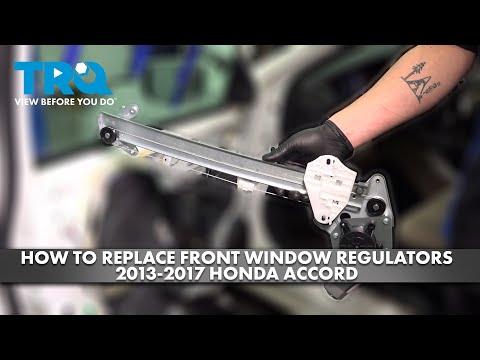
The front window regulator moves the glass up and down inside the door. If it is slow, noisy, crooked, or the glass has dropped, replacing the regulator assembly is the fix. On your Accord coupe, the door panel and vapor barrier must come off first, then the glass is supported while the regulator is removed and installed.
Difficulty Level: Intermediate | Estimated Time: 2-4 hours per door
⚠️ Safety & Precautions
- Support the window glass before removing the regulator. The glass can drop suddenly.
- Disconnect the negative battery cable before working in the door. This reduces the chance of accidental power-window movement.
- Be careful around the side airbag in the door area. Do not probe yellow airbag connectors.
- Handle the door panel clips gently. They break easily.
- Wear gloves and safety glasses. Sheet metal edges inside the door can cut you.
🔧 Required Tools
You'll need the following tools for this repair:
- 10mm socket
- 1/4-inch ratchet
- 3-inch extension
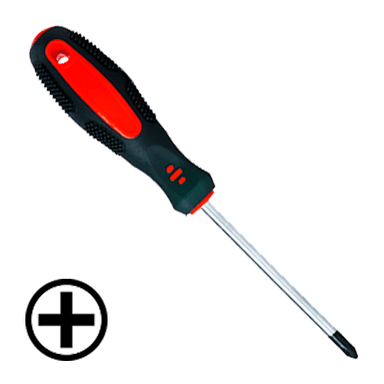
- Phillips screwdriver
- Trim panel removal tool
- Pick tool
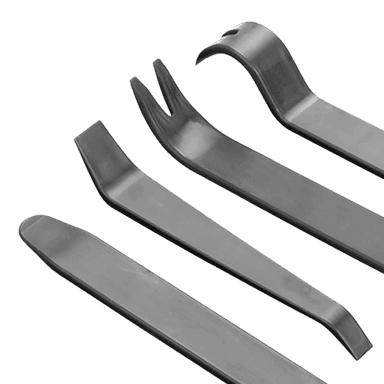
- Plastic pry tool set
- Torx T30 screwdriver
- Needle-nose pliers
- Painter's tape
- Support block or wedge
- Safety glasses
- Mechanic gloves
🔩 Required Parts
HowToo sells all the parts you need for this repair:
- Front window regulator - Qty: 1 per door
- Door panel clip set - Qty: 1
- Vapor barrier adhesive or butyl tape - Qty: 1
- Window regulator fastener set - Qty: 1 per door
📋 Before You Begin
- Park on level ground and set the parking brake.
- Lower the front window slightly if it still moves, then disconnect the battery before continuing.
- Have painter's tape ready to hold the glass in place.
- Tip: Move the seat fully back for more room.
🔨 Step-by-Step Instructions
Follow these steps in order:
Step 1: Remove the door trim panel
- Use a plastic pry tool set and trim panel removal tool to pop off the trim covers around the interior door handle and armrest.
- Remove the visible screws with a Phillips screwdriver and 10mm socket if equipped.
- Starting at the bottom edge, use the trim panel removal tool to release the door panel clips.
- Lift the panel upward to unhook it from the top ledge. Pull straight up, not out.
- Disconnect the electrical connectors for the window switch and any courtesy light.
Step 2: Remove the vapor barrier
- Use a plastic pry tool set to carefully peel back the vapor barrier.
- Keep the adhesive clean so it can be reused or re-sealed later.
- Do not tear the barrier if you can avoid it. Protect the adhesive edge.
Step 3: Support and secure the glass
- Use the window switch briefly, if the battery is still connected, to position the glass so the regulator bolts are accessible. If the battery is disconnected, move the glass by hand only if it is already loose enough to slide.
- Support the glass with a support block or wedge and secure it with painter's tape across the top of the door frame.
- Make sure the glass cannot fall into the door.
Step 4: Disconnect the glass from the regulator
- Use a 10mm socket to remove the glass-to-regulator fasteners through the access openings in the inner door shell.
- Carefully slide the glass upward and keep it taped in place.
- Torque on installation: tighten the glass fasteners to 9 N·m (80 in-lbs).
Step 5: Remove the regulator assembly
- Use a 10mm socket and 3-inch extension to remove the regulator mounting bolts.
- Use a Torx T30 screwdriver if any regulator screws are present on your door.
- Remove the regulator through the service opening in the door shell. Rotate it as needed to clear the glass track.
- Torque on installation: tighten regulator bolts to 9 N·m (80 in-lbs).
Step 6: Install the new regulator
- Feed the new regulator into the door opening and align it with the mounting holes.
- Use the 10mm socket to install the mounting bolts finger-tight first.
- Install any screws with the Torx T30 screwdriver if equipped.
- Tighten all fasteners evenly with the 10mm socket.
- Torque to 9 N·m (80 in-lbs).
Step 7: Reconnect the glass to the regulator
- Lower the glass carefully into the regulator clamps or brackets.
- Use the 10mm socket to reinstall the glass fasteners.
- Make sure the glass sits straight in the channel before tightening.
- Torque to 9 N·m (80 in-lbs).
Step 8: Test the window before reassembly
- Reconnect the battery temporarily and use the window switch to move the glass up and down.
- Watch for smooth travel, straight movement, and full seal at the top.
- If the glass binds, stop and realign the regulator before continuing.
Step 9: Reinstall the vapor barrier and door panel
- Press the vapor barrier back into place using the original adhesive or vapor barrier adhesive or butyl tape.
- Reconnect all electrical connectors.
- Hook the door panel on the top edge, then press the clips in with your hands.
- Reinstall all screws with the Phillips screwdriver and 10mm socket.
- Snap the trim covers back into place.
Step 10: Final window initialization
- If the window stops short or auto-up/down does not work correctly, fully lower the window and then fully raise it using the switch.
- Hold the switch in the up position for a few seconds after the window closes.
- Repeat for the down position if needed.
- This relearns the pinch protection limits.
✅ After Repair
- Check that the window seals evenly against the weatherstrip.
- Listen for rattles with the door closed and window up.
- Test the auto-up and auto-down feature.
- Make sure the door panel sits flush and all clips are secure.
💰 DIY vs Shop Cost
Shop Cost: $450-$900 per door (parts + labor)
DIY Cost: $120-$300 per door (parts only)
You Save: $330-$600 per door by doing it yourself!
Shop labor rates vary but typically run $100-$150/hour. This repair takes a shop approximately 2-4 hours.
🎯 Ready to get started?
HowToo makes it easy: same-day/2-day shipping on every part, plus all the tools and specialty tools you need! Check out the parts and tools sections below to add everything to your cart.
Guide for Window Motor and Regulator Assembly replace for these Honda vehicles
| Year Make Model | Sub Model | Engine | Body Style |
|---|---|---|---|
| 2017 Honda Accord | EX | - | - |
| 2017 Honda Accord | EX-L | - | - |
| 2017 Honda Accord | LX | - | - |
| 2017 Honda Accord | Sport | - | - |
| 2017 Honda Accord | Touring | - | - |
| 2016 Honda Accord | EX | - | - |
| 2016 Honda Accord | EX-L | - | - |
| 2016 Honda Accord | LX | - | - |
| 2016 Honda Accord | Sport | - | - |
| 2016 Honda Accord | Touring | - | - |
| 2015 Honda Accord | EX | - | - |
| 2015 Honda Accord | EX-L | - | - |
| 2015 Honda Accord | LX | - | - |
| 2015 Honda Accord | Sport | - | - |
| 2015 Honda Accord | Touring | - | - |
| 2014 Honda Accord | EX | - | - |
| 2014 Honda Accord | EX-L | - | - |
| 2014 Honda Accord | LX | - | - |
| 2014 Honda Accord | Sport | - | - |
| 2014 Honda Accord | Touring | - | - |
| 2013 Honda Accord | EX | - | - |
| 2013 Honda Accord | EX-L | - | - |
| 2013 Honda Accord | LX | - | - |
| 2013 Honda Accord | Sport | - | - |
| 2013 Honda Accord | Touring | - | - |