













How to Replace the Front Window Regulator on a 2012-2020 Volkswagen Passat
Step-by-step instructions with tools, parts, torque specs, and safety tips
How to Replace the Front Window Regulator on a 2012-2020 Volkswagen Passat
Step-by-step instructions with tools, parts, torque specs, and safety tips for 2012, 2013, 2014, 2015, 2016, 2017, 2018, 2019, 2020


🔧 Front Window Regulator - Replacement
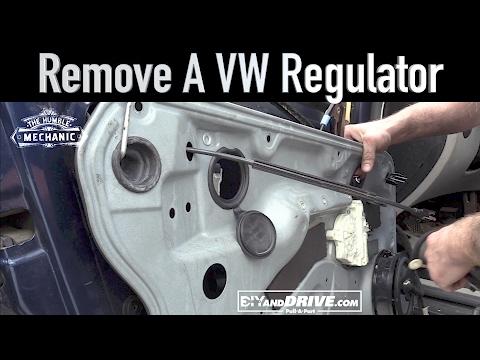
The front window regulator in your Passat is the cable-and-track assembly that raises and lowers the glass. When it fails, the window may drop, move crooked, make grinding noises, or stop working completely. This job requires removing the front door trim, separating the glass from the regulator, and swapping the assembly.
Difficulty Level: Intermediate | Estimated Time: 2-3 hours per door
⚠️ Safety & Precautions
- Keep fingers away from the glass and regulator tracks. They can pinch hard.
- Support the window glass before removing the regulator bolts. Tape can fail if the glass is heavy or wet.
- Disconnect the negative battery cable before unplugging the door wiring. This helps prevent electrical shorts and accidental airbag faults.
- Do not turn the ignition on with door connectors unplugged.
- If your door has a side airbag, work gently around the trim panel. Do not probe yellow connectors.
🔧 Required Tools
You'll need the following tools for this repair:
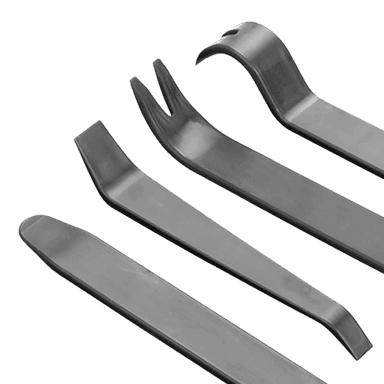
- Trim removal tool
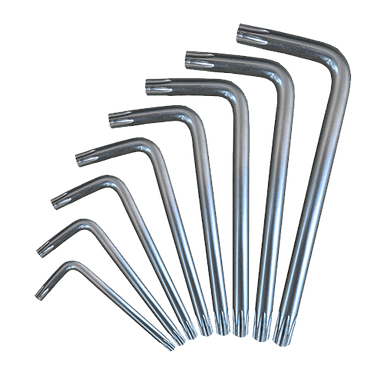
- Torx T20 screwdriver
- Torx T30 screwdriver
- 10mm socket
- Ratchet
- Extension bar
- Plastic wedge tool
- Painter's tape
- Safety glasses
- Mechanic gloves
- Floor jack (rated 3-ton minimum)
- Jack stands
🔩 Required Parts
HowToo sells all the parts you need for this repair:
- Front window regulator assembly - Driver side or passenger side - Qty: 1 per door
- Door trim panel clips - Qty: 1 set
- Moisture barrier adhesive or butyl tape - Qty: 1
- Optional window motor - Qty: 1 if the motor is noisy or failed
📋 Before You Begin
- Park on level ground and set the parking brake.
- Lower the window only if it still moves. Stop with the glass about halfway up so you can access the regulator clamps.
- Disconnect the negative battery cable with a 10mm socket and wait at least 10 minutes before removing the door panel.
- Have painter's tape ready to hold the glass after the regulator is removed.
🔨 Step-by-Step Instructions
Follow these steps in order:
Step 1: Remove the front door trim panel
- Use a trim removal tool and Torx T20 screwdriver to remove the visible screws from the door pull and trim edges.
- Pry the door panel loose with the plastic wedge tool. Work around the edges one clip at a time.
- Lift the panel upward to unhook it from the top window ledge.
- Disconnect the switch connector and any courtesy light connectors carefully.
Step 2: Remove the moisture barrier
- Peel back the moisture barrier slowly. Use the plastic wedge tool to keep the adhesive clean.
- Do not tear it if you can avoid it. You will need it to seal the door again.
- Keep the adhesive clean and sticky.
Step 3: Support and secure the glass
- Use painter's tape to hold the glass in the fully up position from the outside of the door.
- If the glass is stuck down, raise it by hand while the regulator is still attached if possible.
- If needed, use the 10mm socket to loosen the glass clamp access points through the door openings.
Step 4: Remove the old regulator
- Use the Torx T30 screwdriver to remove the regulator and motor fasteners from the door structure.
- Unplug the window motor connector.
- Remove the bolts or rivets that hold the regulator rails and motor in place.
- Lower the regulator out through the service opening in the door shell.
- Remove the glass clamp bolts with the 10mm socket, then lift the glass slightly if it needs to clear the regulator tracks.
- Torque on reassembly: Regulator and motor fasteners to 8 Nm (71 in-lbs).
Step 5: Install the new regulator
- Feed the new regulator into the door through the service opening.
- Align the rails and loosely install the fasteners by hand first.
- Reconnect the window motor connector.
- Set the glass into the regulator clamps and install the clamp bolts with the 10mm socket.
- Tighten everything evenly.
- Torque to 8 Nm (71 in-lbs) on the regulator and clamp fasteners.
Step 6: Test window movement before reassembly
- Reconnect the battery temporarily if needed and cycle the window switch.
- Use the switch to move the glass up and down while watching the tracks.
- Make sure the glass runs straight and does not bind or tilt.
- If the glass is crooked, recheck the clamp alignment before putting the door back together.
Step 7: Reinstall the moisture barrier and door panel
- Press the moisture barrier back into place with firm hand pressure.
- Reconnect all electrical connectors.
- Hang the door panel on the top edge first, then press the clips in around the perimeter.
- Reinstall the screws with the Torx T20 screwdriver.
- Torque to 1.5 Nm (13 in-lbs) for the trim screws.
✅ After Repair
- Cycle the window several times to confirm smooth operation.
- Check the one-touch up/down function if equipped. Some cars need the window learned again after battery disconnect.
- If needed, perform window initialization by fully closing the window, then holding the switch up for a few seconds.
- Listen for rubbing, clicking, or cable noise. That usually means the glass or regulator is not aligned.
- Check the door for wind noise and water leaks after a short test drive.
💰 DIY vs Shop Cost
Shop Cost: $450-$850 per door (parts + labor)
DIY Cost: $120-$260 per door (parts only)
You Save: $330-$590 by doing it yourself!
Shop labor rates vary but typically run $100-$150/hour. This repair takes a shop approximately 2-3 hours per door.
🎯 Ready to get started?
HowToo makes it easy: same-day/2-day shipping on every part, plus all the tools and specialty tools you need! Check out the parts and tools sections below to add everything to your cart.