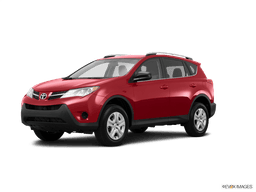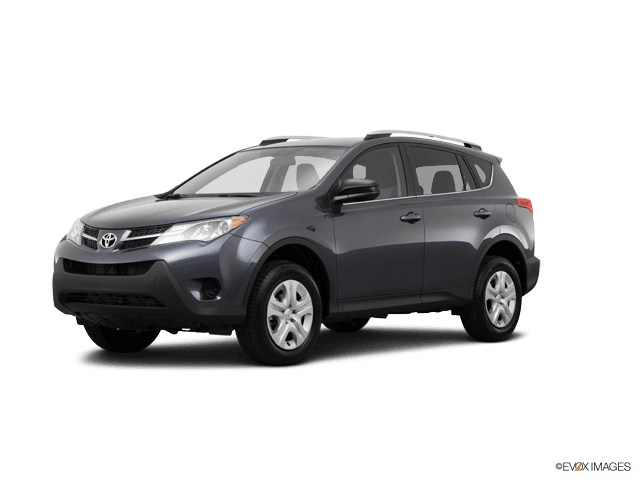













How to Replace the Front Wheel Bearing on a 2006-2012 Toyota RAV4 (Engine: Inline 4 2.5L)
Step-by-step repair guide with tools, parts, torque specs, and safety tips
How to Replace the Front Wheel Bearing on a 2006-2012 Toyota RAV4 (Engine: Inline 4 2.5L)
Step-by-step repair guide with tools, parts, torque specs, and safety tips for 2006, 2007, 2008, 2009, 2010, 2011, 2012


🔧 Wheel Bearing - Front Hub Bearing Replacement
On your RAV4, the front wheel bearing is serviced as a sealed hub and bearing assembly. That means the old unit is removed from the steering knuckle and replaced as one complete part, then the brake and axle hardware are reinstalled and torqued correctly.
Difficulty Level: Intermediate | Estimated Time: 2-3 hours per side
⚠️ Safety & Precautions
- Support the vehicle with jack stands; never rely on a floor jack alone.
- Chock the rear wheels and set the parking brake before lifting the front.
- Do not hang the brake caliper by the hose; support it with wire or a hook.
- The axle nut is very tight and may need a long breaker bar; keep hands clear when breaking it loose.
- Use caution around the ABS wheel speed sensor and wiring. Do not pry on the sensor.
- No battery disconnect is required for this repair.
🔧 Required Tools
You'll need the following tools for this repair:
- 21mm socket
- 19mm socket
- 17mm socket
- 14mm socket
- 12mm socket
- 10mm socket
- Breaker bar
- Torque wrench
- Ratchet
- Flat-blade screwdriver
- Rubber mallet
- Ball joint separator (specialty)
- Hub puller / slide hammer (specialty)
- Pry bar
- Floor jack (rated 3-ton minimum)
- Jack stands
- Wheel chocks
- Safety glasses
- Mechanic gloves
- Wire hook or bungee cord
- Penetrating oil
🔩 Required Parts
HowToo sells all the parts you need for this repair:
- Front wheel hub and bearing assembly - Qty: 1 per side
- Front axle nut - Qty: 1 per side
- Caliper bracket bolts - Qty: 2 if damaged or corroded
- Brake cleaner - Qty: 1 can
- Anti-seize compound - Qty: 1 tube
📋 Before You Begin
- Park on level ground and chock the rear wheels.
- Loosen the front axle nut slightly before lifting the vehicle.
- Break the lug nuts loose before raising the vehicle.
- If replacing both front bearings, do one side at a time so you can use the other side as a reference.
🔨 Step-by-Step Instructions
Follow these steps in order:
Step 1: Loosen the wheel and axle nut
- Use a 21mm socket to loosen the lug nuts on the wheel, but do not remove them yet.
- Use a 35mm axle nut socket to loosen the axle nut while the vehicle is still on the ground. Do this before jacking up.
Step 2: Raise and secure the vehicle
- Use the floor jack (rated 3-ton minimum) to lift the front of the vehicle.
- Place the vehicle securely on jack stands.
- Remove the wheel with a 21mm socket.
Step 3: Remove the brake caliper and bracket
- Use a 14mm socket to remove the caliper slide bolts.
- Lift the caliper off and support it with a wire hook or bungee cord.
- Use a 17mm socket to remove the caliper bracket bolts.
- Remove the brake rotor. If it is stuck, use a rubber mallet to tap it loose.
Step 4: Remove the axle nut and free the axle
- Remove the axle nut with the 35mm axle nut socket.
- Push the CV axle inward slightly. If it is stuck, tap it gently with a rubber mallet using a flush wood block to protect the threads.
- Do not damage the axle threads.
Step 5: Disconnect the lower joint from the knuckle
- Use a 19mm socket to remove the lower ball joint nuts/bolts from the steering knuckle as equipped.
- Use a ball joint separator (specialty) if the knuckle is stuck to the lower joint.
- Carefully swing the knuckle outward and free the axle from the hub.
Step 6: Remove the hub and bearing assembly
- Use a 10mm socket to remove the ABS wheel speed sensor bolt if it blocks access.
- Remove the hub/bearing mounting bolts from the back of the knuckle using a 14mm socket.
- If the hub is seized in the knuckle, use a hub puller / slide hammer (specialty) to pull it free.
- Clean the mounting surface with brake cleaner and a rag.
Step 7: Install the new hub and bearing assembly
- Position the new hub and bearing assembly into the knuckle by hand.
- Start the mounting bolts by hand, then tighten with a 14mm socket.
- Torque to 65 Nm (48 ft-lbs) for the hub mounting bolts.
- Reinstall the ABS sensor and tighten its bolt with a 10mm socket if removed.
Step 8: Reassemble the knuckle, axle, and brakes
- Slide the CV axle fully into the new hub.
- Reattach the lower ball joint to the knuckle using a 19mm socket.
- Torque to 103 Nm (76 ft-lbs) for the lower ball joint fasteners.
- Install the brake rotor.
- Reinstall the caliper bracket using a 17mm socket.
- Torque to 107 Nm (79 ft-lbs) for the caliper bracket bolts.
- Reinstall the caliper slide bolts using a 14mm socket.
- Torque to 34 Nm (25 ft-lbs) for the caliper slide bolts.
Step 9: Install and torque the axle nut
- Install a new axle nut by hand.
- Use the 35mm axle nut socket and torque wrench to tighten it.
- Torque to 216 Nm (159 ft-lbs) for the axle nut.
- Stake or lock the nut only if your replacement nut design requires it.
Step 10: Reinstall the wheel and lower the vehicle
- Install the wheel and tighten the lug nuts by hand.
- Lower the vehicle with the floor jack (rated 3-ton minimum).
- Use a torque wrench and 21mm socket to finish the lug nuts.
- Torque to 103 Nm (76 ft-lbs) for the wheel lug nuts.
✅ After Repair
- Start the vehicle and check for ABS warning lights.
- Test drive at low speed and listen for noise changes.
- Recheck axle nut, wheel lug nut, and caliper fastener torque after the test drive.
- If the ABS light stays on, scan the wheel speed sensor system for codes.
💰 DIY vs Shop Cost
Shop Cost: $450-$900 per side (parts + labor)
DIY Cost: $120-$280 per side (parts only)
You Save: $330-$620 by doing it yourself!
Shop labor rates vary but typically run $100-$150/hour. This repair takes a shop approximately 2-3 hours.
🎯 Ready to get started?
HowToo makes it easy: same-day/2-day shipping on every part, plus all the tools and specialty tools you need! Check out the parts and tools sections below to add everything to your cart.
Guide for Wheel Bearing and Hub Assembly replace for these Toyota vehicles
| Year Make Model | Sub Model | Engine | Body Style |
|---|---|---|---|
| 2012 Toyota RAV4 | - | V6 3.5L | - |
| 2011 Toyota RAV4 | - | V6 3.5L | - |
| 2010 Toyota RAV4 | - | V6 3.5L | - |
| 2009 Toyota RAV4 | - | V6 3.5L | - |
| 2008 Toyota RAV4 | - | V6 3.5L | - |
| 2007 Toyota RAV4 | - | V6 3.5L | - |
| 2006 Toyota RAV4 | - | V6 3.5L | - |