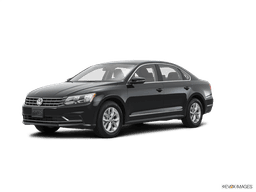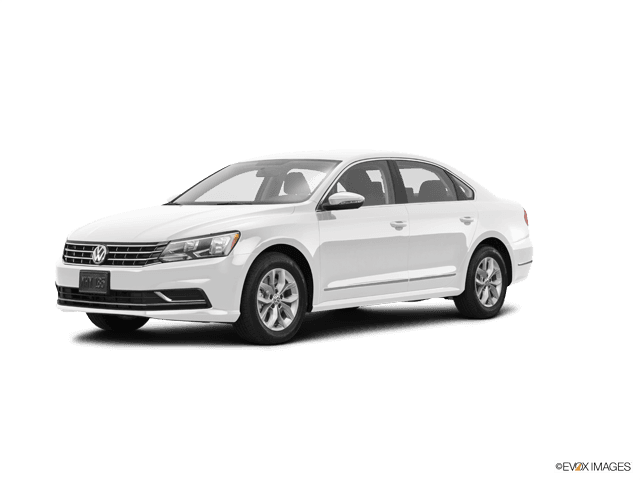









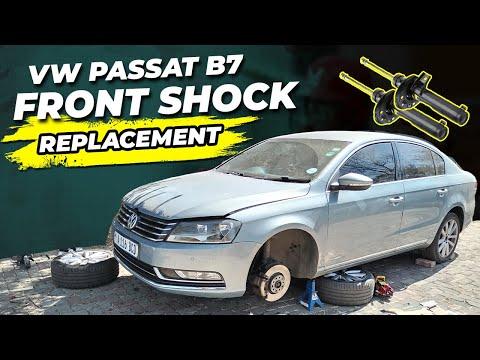







How to Replace the Front Struts on a 2012-2017 Volkswagen Passat (Trim: S | Engine: Inline 4 1.8L)
Step-by-step instructions with tools, parts, torque specs, and safety tips
How to Replace the Front Struts on a 2012-2017 Volkswagen Passat (Trim: S | Engine: Inline 4 1.8L)
Step-by-step instructions with tools, parts, torque specs, and safety tips for 2012, 2013, 2014


Assumption: This guide covers the front struts on your Passat. The rear suspension uses shocks, not struts.
🔧 Front Strut Replacement
The front struts control ride quality and keep the tire planted over bumps. If they are leaking, noisy, or the car bounces too much, replacing them in pairs restores handling and safety.
Difficulty Level: Advanced | Estimated Time: 4-6 hours
⚠️ Safety & Precautions
- Support the car securely on jack stands; never work under a car held only by a jack.
- The coil spring is under high tension. Use a spring compressor (specialty) only if you are transferring the spring off the strut.
- Your Passat may have a wheel speed sensor wire and brake hose clipped near the strut. Do not stretch or pinch them.
- If equipped with electronic stability systems, keep the steering wheel centered and avoid turning the hubs with the axle hanging.
- Battery disconnect is not required for this job.
🔧 Required Tools
You'll need the following tools for this repair:
- Floor jack (rated 3-ton minimum)
- Jack stands
- Wheel chocks
- 17mm lug socket
- 3/8-inch ratchet
- 1/2-inch breaker bar
- 10mm socket
- 13mm socket
- 16mm socket
- 18mm socket
- 21mm socket
- Triple-square bit set
- Torque wrench
- Spring compressor (specialty)
- Ball joint separator (specialty)
- Hex bit set
- Trim clip tool
- Safety glasses
- Mechanic gloves
🔩 Required Parts
HowToo sells all the parts you need for this repair:
- Front strut assembly - Qty: 2
- Front upper strut mount - Qty: 2
- Front strut bearing - Qty: 2
- Front strut bump stop - Qty: 2
- Front strut dust boot - Qty: 2
- Front strut-to-knuckle bolts and nuts - Qty: 2 sets
- Front sway bar link nuts - Qty: 2
📋 Before You Begin
- Park on level ground.
- Set the parking brake.
- Chock the rear wheels.
- Loosen the front lug bolts before lifting the car.
- If you are replacing complete strut assemblies, the spring compressor is usually not needed.
🔨 Step-by-Step Instructions
Follow these steps in order:
Step 1: Raise and secure the front of the car
- Use a floor jack to lift the front of the Passat at the proper jacking point.
- Place jack stands under the front support points and lower the car onto them.
- Remove both front wheels with the 17mm lug socket.
Step 2: Unbolt the sway bar link
- Use the correct socket and hex bit to remove the sway bar end link from the strut.
- Hold the stud if it spins.
- Keep the suspension relaxed.
Step 3: Disconnect the hose and wire clips
- Use a trim clip tool to release the brake hose bracket and wheel speed sensor wire from the strut.
- Do not let the hose hang by itself.
Step 4: Separate the strut from the steering knuckle
- Use the correct 18mm socket and triple-square bit to remove the lower strut bolts.
- Support the knuckle so it does not pull on the axle or brake hose.
- Torque on reassembly: 70 Nm (52 ft-lbs) + 90° for the lower strut-to-knuckle bolts.
Step 5: Remove the upper strut mount nuts
- Open the hood and locate the top of the strut tower.
- Use a 13mm socket to remove the upper mount nuts.
- Hold the strut from below while removing the last nut.
- Torque on reassembly: 25 Nm (18 ft-lbs) for the upper mount nuts.
Step 6: Remove the strut assembly
- Lower and angle the strut out of the wheel well.
- Use a second hand to guide it clear of the axle and fender liner.
- Watch the brake hose closely.
Step 7: Transfer parts if needed
- If you are not using a complete assembly, use a spring compressor (specialty) to safely compress the coil spring.
- Remove the top nut with the correct socket and hex bit.
- Transfer the spring, mount, bearing, boot, and bump stop to the new strut.
- Install the top nut and tighten to the strut maker’s specification.
Step 8: Install the new strut
- Guide the new strut into the tower and start the upper mount nuts by hand using a 13mm socket.
- Line up the lower strut ears with the steering knuckle.
- Install the lower bolts with the 18mm socket and triple-square bit.
- Torque the lower bolts to 70 Nm (52 ft-lbs) + 90°.
- Torque the upper mount nuts to 25 Nm (18 ft-lbs).
Step 9: Reconnect all brackets and links
- Reinstall the brake hose bracket and sensor wire clips using the trim clip tool.
- Reconnect the sway bar link with the correct socket and hex bit.
- Torque the sway bar link nut to 65 Nm (48 ft-lbs).
Step 10: Reinstall the wheels and lower the car
- Install the wheels with the 17mm lug socket.
- Lower the car with the floor jack.
- Torque the lug bolts to 120 Nm (89 ft-lbs).
Step 11: Settle the suspension
- Bounce the front of the car a few times.
- Drive forward and backward a short distance so the bushings settle naturally.
✅ After Repair
- Test drive at low speed first.
- Listen for clunks or rubbing.
- Check that the steering wheel is centered.
- Get a professional wheel alignment after strut replacement.
- If the car pulls or the tires wear unevenly, stop and recheck the work.
💰 DIY vs Shop Cost
Shop Cost: $900-$1,500 (parts + labor)
DIY Cost: $300-$700 (parts only)
You Save: $600-$800 by doing it yourself!
Shop labor rates vary but typically run $100-$150/hour. This repair takes a shop approximately 4-6 hours.
🎯 Ready to get started?
HowToo makes it easy: same-day/2-day shipping on every part, plus all the tools and specialty tools you need! Check out the parts and tools sections below to add everything to your cart.