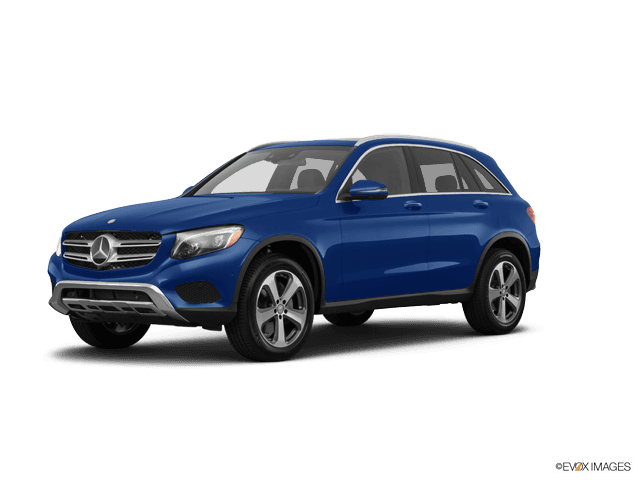









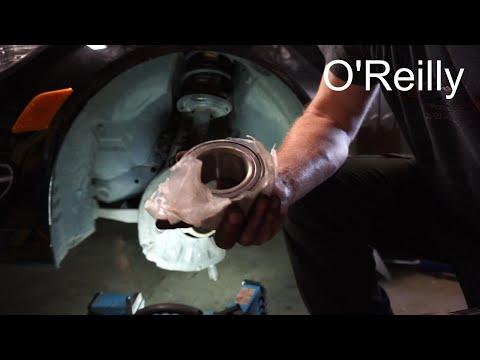







How to Replace the Front Right Wheel Bearing/Hub on a 2016-2021 Mercedes-Benz GLC300 (Engine: Inline 4 2.0L)
Step-by-step bolt-in hub replacement with tools list, parts, safety tips, and key torque specs
How to Replace the Front Right Wheel Bearing/Hub on a 2016-2021 Mercedes-Benz GLC300 (Engine: Inline 4 2.0L)
Step-by-step bolt-in hub replacement with tools list, parts, safety tips, and key torque specs for 2016, 2017, 2018, 2019, 2020, 2021


🔧 GLC300 - Front Right Wheel Bearing Replacement
On your GLC300, the front wheel bearing is part of a bolt-in wheel hub/bearing unit. Replacing it means safely lifting the vehicle, removing the brake components and axle nut, then unbolting the hub assembly from the steering knuckle and installing the new one.
Difficulty Level: Advanced | Estimated Time: 2.5-4.5 hours
⚠️ Safety & Precautions
- ⚠️ Support the SUV with jack stands; never rely on a floor jack alone.
- ⚠️ Do not let the brake caliper hang by the brake hose; support it with a hanger.
- ⚠️ Avoid pulling or striking the ABS wheel speed sensor wiring; it’s fragile.
- ⚠️ The axle nut is very tight; use a long breaker bar and keep your body clear.
- ⚠️ If you use heat to free the hub, keep heat away from the CV boot and ABS sensor.
🔧 Required Tools
You'll need the following tools for this repair:
- Floor jack (rated 3-ton minimum)
- Jack stands (rated 3-ton minimum)
- Wheel chocks
- Safety glasses
- Mechanic gloves
- Breaker bar (1/2")
- Torque wrench (20–250 ft-lbs)
- Torque wrench (250–350 ft-lbs)
- Socket set (8mm–24mm, 1/2")
- E-Torx socket set (E10–E18)
- Torx bit set (T25–T40)
- 17mm socket
- Axle nut socket (verify size before turning)
- Ratchet (1/2")
- Ratchet (3/8")
- Extensions (3/8" and 1/2")
- Pry bar (12–18")
- Hammer (2 lb)
- Brass drift punch
- Bungee cord or brake caliper hanger hook
- Wire brush
- Penetrating oil
- Flat trim tool
- Bearing/hub puller kit (specialty)
- Slide hammer hub puller (specialty)
- OBD2 scan tool with ABS capability (specialty)
🔩 Required Parts
HowToo sells all the parts you need for this repair:
- Front right wheel hub/bearing assembly - Qty: 1
- Front axle nut (single-use) - Qty: 1
- Front brake caliper bracket bolts (single-use if specified by kit) - Qty: 2
- Brake rotor retaining screw (if equipped) - Qty: 1
- Anti-seize compound - Qty: 1
- Brake cleaner - Qty: 1
📋 Before You Begin
- Park on level ground, turn the steering wheel straight, and chock the rear wheels.
- Loosen the front right wheel lug bolts slightly with a 17mm socket before lifting.
- Break the axle nut loose on the ground using a breaker bar (1/2") and the axle nut socket (verify size before turning). It’s easier with the wheel on.
- Spray penetrating oil around the hub-to-knuckle seam and hub bolts area and let it soak.
🔨 Step-by-Step Instructions
Follow these steps in order:
Step 1: Lift and secure the front right corner
- Use a floor jack (rated 3-ton minimum) to lift at the proper front jacking point.
- Set the vehicle onto jack stands (rated 3-ton minimum) and keep the wheel chocks in place.
- Remove the wheel using a 17mm socket.
Step 2: Remove the brake caliper and bracket
- Turn the steering slightly left for better access.
- Remove the caliper fasteners using the appropriate E-Torx socket from your E-Torx socket set (E10–E18).
- Lift the caliper off and support it with a bungee cord or brake caliper hanger hook.
- Remove the caliper bracket bolts using an E-Torx socket set (E10–E18) and a breaker bar (1/2") if needed.
- Caliper bracket holds the pads in place.
Step 3: Remove the brake rotor
- If equipped, remove the rotor retaining screw with a Torx bit from the Torx bit set (T25–T40).
- Pull the rotor off. If stuck, tap the rotor hat gently with a hammer (2 lb).
- Clean the area with brake cleaner.
Step 4: Protect and move the ABS sensor wiring
- Locate the wheel speed sensor wire and clips on the knuckle.
- Use a flat trim tool to release the wire clips so the harness has slack.
- Do not pull on the wire itself; only unclip the retainers.
Step 5: Remove the axle nut and free the axle from the hub
- Remove the axle nut using the axle nut socket (verify size before turning) and a breaker bar (1/2").
- Push the axle inward through the hub splines.
- If it’s stuck, thread the old axle nut on a few turns and tap it using a hammer (2 lb) and brass drift punch to protect the threads.
- CV axle is the shaft to the wheel.
Step 6: Unbolt the hub/bearing assembly from the steering knuckle
- From the back side of the knuckle, remove the hub mounting bolts using an E-Torx socket set (E10–E18) with extensions (3/8" and 1/2") and a ratchet (1/2").
- Keep the bolts organized so they go back in the same positions if lengths differ.
Step 7: Remove the hub (this is often the hard part)
- Spray more penetrating oil at the hub-to-knuckle seam.
- Try working the hub loose by gently prying at safe edges using a pry bar (12–18").
- If it won’t budge, attach a slide hammer hub puller (specialty) and pull the hub out evenly.
- If the bearing is seized in the knuckle, use a bearing/hub puller kit (specialty) per the kit instructions.
- Go slow to avoid cracking the knuckle.
Step 8: Clean mounting surfaces
- Use a wire brush to clean rust from the knuckle bore and hub mating surface.
- Wipe clean and apply a very thin film of anti-seize compound to the hub’s outer pilot surface (not on ABS sensor faces).
Step 9: Install the new hub/bearing assembly
- Align the hub and start all hub bolts by hand to avoid cross-threading.
- Tighten hub bolts evenly using a ratchet (1/2").
- Final tighten using a torque wrench (20–250 ft-lbs): Torque to 115 Nm (85 ft-lbs) for hub bolts (common spec; use your kit/OE spec if supplied).
Step 10: Reinstall axle nut
- Install a new axle nut by hand first.
- Snug it using the axle nut socket (verify size before turning) and ratchet (1/2").
- Lower enough so the wheel can’t spin (or have a helper hold the brake), then final torque with the high-range torque wrench (250–350 ft-lbs): Torque to 300 Nm (221 ft-lbs) (common spec; follow the axle nut instructions if provided).
Step 11: Reinstall rotor, bracket, and caliper
- Reinstall rotor; if equipped install the retaining screw with a Torx bit: Torque to 10 Nm (7 ft-lbs).
- Reinstall caliper bracket using an E-Torx socket set (E10–E18) and torque wrench (20–250 ft-lbs): Torque to 200 Nm (148 ft-lbs) (typical front bracket spec; use OE if available).
- Reinstall caliper fasteners using the correct E-Torx socket: Torque to 35 Nm (26 ft-lbs) (typical guide pin spec; use OE if available).
- Re-clip the ABS wire routing using the flat trim tool as needed.
Step 12: Reinstall wheel and torque lug bolts
- Install wheel lug bolts by hand first.
- Lower to the ground and torque lug bolts using a torque wrench (20–250 ft-lbs): Torque to 130 Nm (96 ft-lbs).
✅ After Repair
- Pump the brake pedal 5–10 times before moving the SUV until the pedal feels firm.
- Do a short test drive at low speed and listen for grinding, clicking, or ABS warnings.
- Use an OBD2 scan tool with ABS capability (specialty) to check for stored ABS/wheel speed sensor codes and clear any that were set during the repair.
- Re-check lug bolt torque after 25–50 miles.
💰 DIY vs Shop Cost
Shop Cost: $650-$1,200 (parts + labor)
DIY Cost: $150-$350 (parts only)
You Save: $500-$850 by doing it yourself!
Shop labor rates vary but typically run $100-$150/hour. This repair takes a shop approximately 2.5-4.5 hours.
🎯 Ready to get started?
HowToo makes it easy: same-day/2-day shipping on every part, plus all the tools and specialty tools you need! Check out the parts and tools sections below to add everything to your cart.
Assumption: front hub is a bolt-in hub/bearing unit; torque may vary by option.