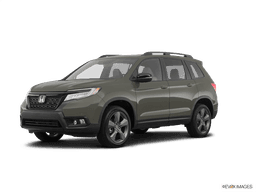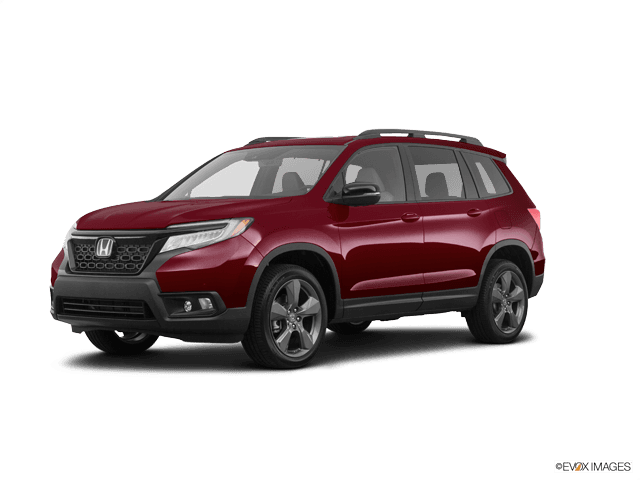









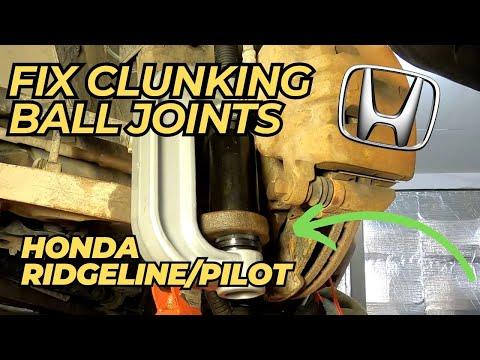







How to Replace the Front Lower Ball Joint on a 2021 Honda Passport
Step-by-step DIY instructions with required tools, parts list, torque specs, and safety tips for 2019, 2020, 2021, 2022, 2023, 2024, 2025
How to Replace the Front Lower Ball Joint on a 2021 Honda Passport
Step-by-step DIY instructions with required tools, parts list, torque specs, and safety tips for 2019, 2020, 2021, 2022, 2023, 2024, 2025


🔧 Passport - Front Lower Ball Joint Replacement
The front lower ball joint is the pivot that lets your front steering knuckle move up/down with the suspension while still turning left/right. If it’s loose or torn, you can get clunks, wandering steering, uneven tire wear, and it can become unsafe if it separates.
Difficulty Level: Advanced | Estimated Time: 2-4 hours (both sides)
⚠️ Safety & Precautions
- ⚠️ Support your Passport on jack stands before working underneath.
- ⚠️ Never work under a vehicle supported only by a floor jack.
- ⚠️ Keep hands clear when separating the joint; it can “pop” loose suddenly.
- ⚠️ If the ball joint boot is torn and grease is flung around, expect slippery parts.
- ⚠️ No battery disconnect is required for this repair.
🔧 Required Tools
You'll need the following tools for this repair:
- Floor jack (rated 3-ton minimum)
- Jack stands (rated 3-ton minimum)
- Wheel chocks
- Safety glasses
- Mechanic gloves
- Breaker bar 1/2"
- Torque wrench 10-250 ft-lbs
- 19mm socket
- 17mm socket
- 14mm socket
- Ratchet 3/8"
- Needle-nose pliers
- Side cutters
- Ball joint separator tool (specialty)
- Hammer 24 oz
- Pry bar 18"
- Wire brush
- Penetrating oil
🔩 Required Parts
HowToo sells all the parts you need for this repair:
- Front lower ball joint - Qty: 1 (replace in pairs recommended)
- Ball joint cotter pin - Qty: 1 (per side)
- Lower ball joint pinch bolt and nut - Qty: 1 (per side, recommended)
📋 Before You Begin
- Park on level ground, shift to Park, and chock the rear wheels.
- Break the front lug nuts loose while the tire is still on the ground (do not remove yet).
- Spray penetrating oil on the ball joint pinch bolt area and the castle nut threads, then wait 5–10 minutes.
- Ball joint separator = tool that pops joint loose.
🔨 Step-by-Step Instructions
Follow these steps in order:
Step 1: Lift and remove the front wheel
- Use wheel chocks at the rear wheels.
- Use a floor jack (rated 3-ton minimum) to lift the front corner at the factory jacking point.
- Set the vehicle securely on jack stands (rated 3-ton minimum).
- Remove the lug nuts using a 19mm socket and breaker bar 1/2", then remove the wheel.
Step 2: Remove the ball joint cotter pin and loosen the castle nut
- Locate the lower ball joint at the bottom of the steering knuckle (behind the brake rotor).
- Use needle-nose pliers to straighten and remove the cotter pin. If it snaps, use side cutters to pull the pieces out.
- Use a 17mm socket and breaker bar 1/2" to loosen (but do not fully remove) the ball joint castle nut a few turns.
- Leaving the nut on helps prevent sudden drop.
Step 3: Separate the ball joint from the steering knuckle
- Position the ball joint separator tool (specialty) between the ball joint stud and the steering knuckle.
- Operate the separator using the tool’s drive (typically a ratchet 3/8"), until the taper “pops” loose.
- If needed, strike the side of the steering knuckle boss with a hammer 24 oz (do not hit the stud threads).
Step 4: Remove the castle nut and free the knuckle
- Remove the castle nut using a 17mm socket.
- Use a pry bar 18" to gently control the lower control arm so the steering knuckle doesn’t yank on the brake hose or ABS wire.
Step 5: Remove the ball joint from the lower control arm (pinch-bolt style)
- At the bottom of the knuckle where it clamps the ball joint, clean the area using a wire brush.
- Remove the pinch bolt and nut using a 14mm socket and ratchet 3/8".
- Use penetrating oil if it’s tight.
- Use a pry bar 18" to slightly open the knuckle clamp if needed, then work the ball joint out.
Step 6: Install the new ball joint
- Compare the old and new ball joints to confirm same shape and stud length.
- Slide the new ball joint into the knuckle/lower mounting point fully seated by hand.
- Install the pinch bolt and nut using a 14mm socket.
- Torque to 64 N·m (47 ft-lbs) using a torque wrench 10-250 ft-lbs.
Step 7: Seat the stud into the knuckle and torque the castle nut
- Guide the ball joint stud into the knuckle taper.
- Install the castle nut by hand first, then tighten with a 17mm socket.
- Torque to 49 N·m (36 ft-lbs) using a torque wrench 10-250 ft-lbs.
- Continue tightening only as needed to align the cotter pin hole; do not loosen to align.
- Install a new cotter pin using needle-nose pliers and bend the ends over securely.
Step 8: Reinstall the wheel and lower the vehicle
- Reinstall the wheel and hand-thread the lug nuts.
- Lower the vehicle using the floor jack (rated 3-ton minimum).
- Tighten lug nuts in a star pattern using a torque wrench 10-250 ft-lbs and 19mm socket.
- Torque to 127 N·m (94 ft-lbs).
✅ After Repair
- Turn the steering wheel lock-to-lock and confirm the brake hose and ABS wire are not stretched or twisted.
- Road test at low speed first; listen for clunks over bumps.
- Get a front alignment check as soon as possible, especially if you noticed tire wear or had looseness.
- Recheck for any looseness and visually confirm the cotter pin is still properly seated after the test drive.
💰 DIY vs Shop Cost
Shop Cost: ₹8,000-₹18,000 (parts + labor, per side)
DIY Cost: ₹1,500-₹5,000 (parts only, per side)
You Save: ₹6,500-₹13,000 by doing it yourself!
Shop labor rates vary but typically run ₹800-₹2,000/hour. This repair takes a shop approximately 1.5-2.5 hours per side.
🎯 Ready to get started?
HowToo makes it easy: same-day/2-day shipping on every part, plus all the tools and specialty tools you need! Check out the parts and tools sections below to add everything to your cart.