














How to Replace the Front Lower Ball Joint (Control Arm) on a 2016 INFINITI QX60
Step-by-step DIY instructions, required tools/parts, safety tips, and when to torque bolts at ride height
How to Replace the Front Lower Ball Joint (Control Arm) on a 2016 INFINITI QX60
Step-by-step DIY instructions, required tools/parts, safety tips, and when to torque bolts at ride height


🔧 QX60 - Ball Joint Replacement
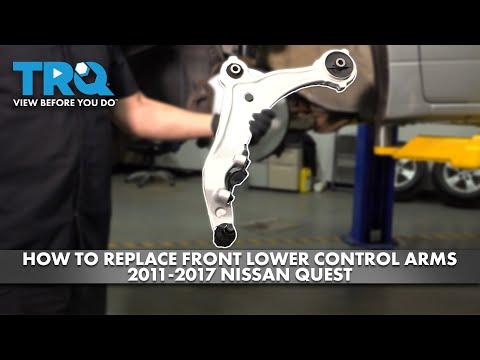
On your QX60, the most common “ball joint” people mean is the front lower ball joint. On many builds it’s not serviced separately—it comes attached to the front lower control arm, so you replace the whole control arm to fix the ball joint.
Assumption: You’re replacing the front lower ball joint by replacing the front lower control arm (most common OEM design).
Difficulty Level: Advanced | Estimated Time: 2-4 hours (per side)
⚠️ Safety & Precautions
- ⚠️ Support the vehicle with jack stands; never rely on a floor jack.
- ⚠️ Keep hands clear when separating the ball joint; parts can “pop” loose suddenly.
- ⚠️ Do not let the steering knuckle hang by the brake hose/wire; support it.
- ⚠️ If equipped, keep the key away so the steering doesn’t move unexpectedly.
- ⚠️ Battery disconnect is not typically required for this job.
🔧 Required Tools
You'll need the following tools for this repair:
- Floor jack (rated 3-ton minimum)
- Jack stands (rated 3-ton minimum)
- Wheel chocks
- Lug nut socket (metric, size to match lug nuts)
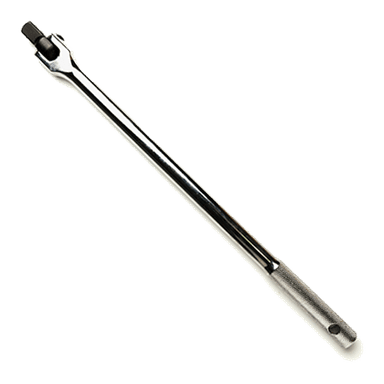
- Breaker bar (1/2" drive)
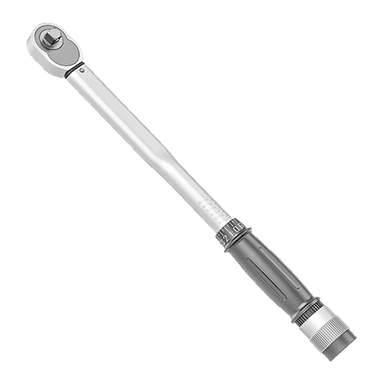
- Torque wrench (10–200 ft-lbs range)
- Metric socket set 10–24mm (1/2" drive)
- Metric wrench set 10–24mm
- Pry bar (18–24")
- Ball joint separator tool (specialty)
- Hammer (2–3 lb)
- Needle-nose pliers
- Flat trim tool
- Penetrating oil
- Paint marker
- Bungee cord
- Mechanic gloves
- Safety glasses
🔩 Required Parts
HowToo sells all the parts you need for this repair:
- Front lower control arm assembly (includes ball joint) - Qty: 1 (Replace in pairs recommended)
- Front lower ball joint pinch bolt/nut kit - Qty: 1 (recommended)
- Front control arm mounting bolts/nuts - Qty: 1 set (recommended if specified as one-time-use)
📋 Before You Begin
- Park on level ground, turn the wheel straight, and set the parking brake.
- Place wheel chocks behind the rear tires.
- Break loose the front lug nuts using a breaker bar and lug nut socket (before lifting).
- Lift the front with a floor jack and place jack stands under solid frame/support points.
- Spray penetrating oil on the ball joint pinch area and control arm bolts; wait 5–10 minutes.
🔨 Step-by-Step Instructions
Follow these steps in order:
Step 1: Remove the wheel
- Use a lug nut socket and breaker bar to remove the lug nuts, then remove the wheel.
Step 2: Support the steering knuckle
- Use a bungee cord to lightly support the knuckle/strut area so nothing drops when the joint separates.
- Prevents stretching the brake hose.
Step 3: Disconnect the ball joint from the knuckle
- Locate the lower ball joint connection at the bottom of the steering knuckle.
- If your setup uses a pinch bolt, use a metric socket set 10–24mm and metric wrench set 10–24mm to remove the pinch bolt and nut.
- Use a ball joint separator tool (specialty) to separate the joint from the knuckle.
- If it’s stuck, use a hammer (2–3 lb) to strike the knuckle boss (not the stud). This helps release the taper fit.
Step 4: Remove any brackets attached to the control arm
- Check for ABS wire/brake hose brackets mounted to the control arm.
- Use a metric socket set 10–24mm or flat trim tool to remove bolts/clips and move the wiring safely aside.
Step 5: Unbolt the control arm from the subframe
- Mark the position of cams/washers (if equipped) with a paint marker.
- Use a metric socket set 10–24mm, metric wrench set 10–24mm, and breaker bar to remove the control arm mounting bolts/nuts.
- Use a pry bar (18–24") to guide the arm out as needed.
Step 6: Install the new control arm (ball joint included)
- Position the new arm into the subframe mounts by hand.
- Start all mounting bolts/nuts by hand using a metric socket set 10–24mm to prevent cross-threading.
- Reconnect the ball joint into the knuckle and reinstall the pinch bolt/nut using a metric socket set 10–24mm and metric wrench set 10–24mm.
- Torque to OEM specification (service-manual value for your build) using a torque wrench.
Step 7: Final-tighten control arm bolts at ride height
- This is critical: tightening suspension bushings while the wheel hangs can ruin the new bushings.
- Use a floor jack (rated 3-ton minimum) under the control arm to raise it until the vehicle sits at near-normal ride height.
- Then use a torque wrench to tighten the control arm mounting bolts.
- Torque to OEM specification (service-manual value for your build).
Step 8: Reinstall brackets and wheel
- Reinstall any ABS/brake hose brackets using a metric socket set 10–24mm or flat trim tool for clips.
- Install the wheel and hand-tighten lug nuts using a lug nut socket.
- Lower the vehicle and tighten lug nuts in a star pattern with a torque wrench.
- Torque to OEM specification (service-manual value for your build).
✅ After Repair
- Start the engine and turn the steering lock-to-lock slowly; listen for clunks.
- Test drive at low speed first; re-check for noises over small bumps.
- Get a 4-wheel alignment as soon as possible. Control arm/ball joint work can change toe/camber.
- Recheck lug nut torque after 25–50 miles.
💰 DIY vs Shop Cost
Shop Cost: $450-$950 (parts + labor)
DIY Cost: $120-$350 (parts only)
You Save: $330-$600 by doing it yourself!
Shop labor rates vary but typically run $100-$150/hour. This repair takes a shop approximately 2-4 hours.
🎯 Ready to get started?
HowToo makes it easy: same-day/2-day shipping on every part, plus all the tools and specialty tools you need! Check out the parts and tools sections below to add everything to your cart.