














How to Replace the Front Door Lock Actuator/Latch Assembly on a 2018 Hyundai Sonata
Step-by-step door panel removal, tools/parts list, safety tips, and torque specs for a reliable fix
How to Replace the Front Door Lock Actuator/Latch Assembly on a 2018 Hyundai Sonata
Step-by-step door panel removal, tools/parts list, safety tips, and torque specs for a reliable fix


🔧 Sonata - Front Door Lock Actuator Replacement
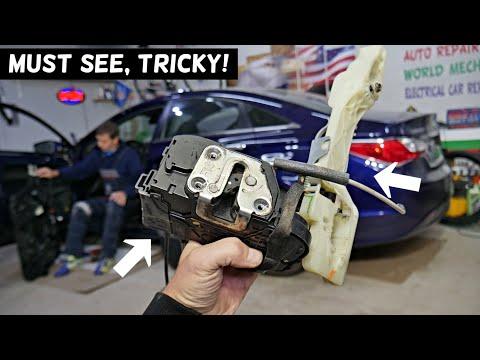
On your Sonata, the “door lock actuator” is commonly part of the door latch/lock assembly inside the door. The job involves removing the interior door panel, peeling back the moisture barrier, disconnecting linkage rods and electrical connectors, then swapping the actuator/latch unit.
Difficulty Level: Intermediate | Estimated Time: 1.5-3.0 hours
⚠️ Safety & Precautions
- ⚠️ Turn the car fully OFF and keep the key fob away from the car (10+ feet) so modules don’t wake up.
- ⚠️ Disconnect the 12V battery negative terminal before unplugging door wiring connectors.
- ⚠️ Do not pull hard on the moisture barrier (the plastic sheet). It prevents water leaks and wind noise.
- ⚠️ Watch for sharp edges inside the door shell; wear gloves.
🔧 Required Tools
You'll need the following tools for this repair:
- 10mm socket
- 1/4" ratchet
- 6" extension (1/4")
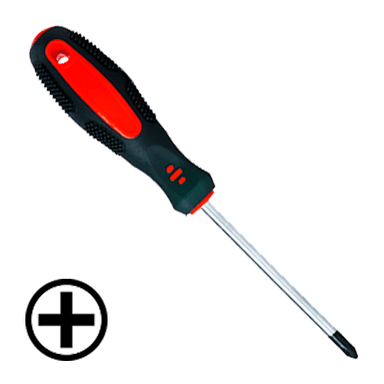
- Phillips #2 screwdriver
- Flat trim pick
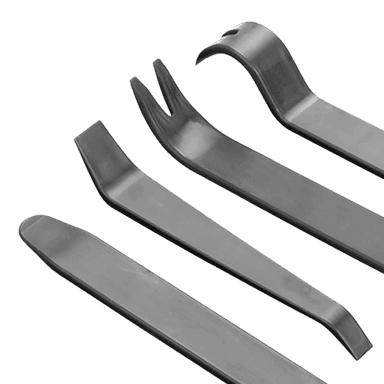
- Plastic trim removal tool set
- Torx T30 bit
- Needle-nose pliers
- Magnetic pickup tool
- Torque wrench (inch-pound, 20–200 in-lb range)
- Torque wrench (3/8", 10–80 ft-lb range)
- Painter’s tape
- Work light
- Nitrile gloves
- Safety glasses
🔩 Required Parts
HowToo sells all the parts you need for this repair:
- Front door lock actuator / latch assembly - Qty: 1
- Door panel retainer clip set - Qty: 1
- Butyl seal tape (moisture barrier adhesive) - Qty: 1
📋 Before You Begin
- Park on level ground and open the window of the door you’re working on.
- Use 10mm socket to disconnect the 12V battery negative terminal and isolate it so it can’t spring back.
- Apply painter’s tape along the door edge/trim to prevent scratches.
- Take photos before disconnecting rods/connectors.
🔨 Step-by-Step Instructions
Follow these steps in order:
Step 1: Remove the interior door handle/trim covers
- Use a plastic trim removal tool set to pry off the small covers hiding screws (usually behind the interior handle and in the armrest pull pocket).
- Use a flat trim pick to lift edges if the cover is tight.
Step 2: Remove door panel screws
- Remove exposed screws using a Phillips #2 screwdriver (and any that require a 10mm socket).
- Place screws in a tray so nothing is lost.
Step 3: Pop the door panel clips free
- Starting at the bottom edge, slide a plastic trim removal tool set between the panel and the metal door and gently pry to pop each clip.
- If a clip stays in the door, remove it with needle-nose pliers and reinstall it into the panel.
Step 4: Lift the door panel up and disconnect wiring
- Lift the panel straight up to unhook it from the window ledge.
- Disconnect connectors (window switch, courtesy light, etc.) by pressing the tab and pulling—use a flat trim pick only to assist the tab (don’t pry the connector apart).
- Set the panel somewhere safe.
Step 5: Remove the moisture barrier (plastic sheet)
- Carefully peel the barrier back by hand. Use a plastic trim removal tool set to help separate the sticky butyl.
- Don’t tear it. If the adhesive is messy, you’ll reseal it later with butyl seal tape.
Step 6: Remove the inside handle cable/rod from the latch
- Locate the latch area at the rear edge of the door.
- Use needle-nose pliers to rotate the plastic retainer clip open, then lift the rod/cable end out.
- Note the routing so it doesn’t bind later.
Step 7: Disconnect the actuator/latch electrical connector
- Press the locking tab and unplug the connector at the latch using your fingers; use a flat trim pick only to help depress the tab.
Step 8: Remove the door latch/actuator fasteners
- At the door’s rear edge, remove the latch mounting screws using a Torx T30 bit and 1/4" ratchet.
- Support the latch inside the door as the last screw comes out so it doesn’t drop.
Step 9: Remove the latch/actuator assembly from the door
- Maneuver the latch out through the large access opening.
- If it hangs up, re-check that all rods/cables are fully detached and not snagged.
- Use a magnetic pickup tool if a screw drops inside the door.
Step 10: Install the new actuator/latch assembly
- Transfer any brackets/clips from the old unit to the new one (if equipped) using needle-nose pliers.
- Position the new latch in place and start the mounting screws by hand.
- Tighten the latch screws with a Torx T30 bit and torque wrench (inch-pound) to 89 in-lb (10 N·m).
Step 11: Reconnect rods/cables and electrical connector
- Reconnect the actuator electrical connector until it clicks.
- Reinstall the inside handle rod/cable end and close the plastic retainer clip using needle-nose pliers.
Step 12: Function-check before reassembly
- Reconnect the 12V battery negative terminal using a 10mm socket.
- Test lock/unlock from the key fob and inside switch, and confirm the interior handle opens the door correctly.
- Disconnect the 12V negative terminal again with a 10mm socket before final reassembly.
Step 13: Reinstall the moisture barrier
- Press the barrier back into the butyl. Add butyl seal tape where it no longer sticks.
- Make sure the barrier fully seals around the perimeter and wiring pass-throughs.
Step 14: Reinstall the door panel
- Reconnect all door panel wiring connectors (they should click).
- Hang the top of the panel on the window ledge, then press clips in around the edges using firm palm pressure.
- Reinstall screws using a Phillips #2 screwdriver and/or 10mm socket.
- Tighten interior trim/panel screws with a torque wrench (inch-pound) to 27 in-lb (3 N·m).
Step 15: Final battery reconnect
- Reconnect the 12V battery negative terminal using a 10mm socket.
✅ After Repair
- Confirm power locks work from: key fob, door switch, and the outside handle request button (if equipped).
- Verify the door opens from inside and outside and locks securely.
- Check window operation and auto-up/down (if it lost memory, run the window fully down and fully up once).
- Listen for water/air noise on a short drive; re-check the moisture barrier seal if needed.
💰 DIY vs Shop Cost
Shop Cost: $350-$650 (parts + labor)
DIY Cost: $90-$250 (parts only)
You Save: $260-$400 by doing it yourself!
Shop labor rates vary but typically run $100-$150/hour. This repair takes a shop approximately 1.5-3.0 hours.
🎯 Ready to get started?
Quick check so I give you the exact right steps: which front door are we doing (driver or passenger), and are you replacing the entire latch/actuator assembly or just the actuator motor piece?
HowToo makes it easy: same-day/2-day shipping on every part, plus all the tools and specialty tools you need! Check out the parts and tools sections below to add everything to your cart.
Guide for Door Lock Switch replace for these Hyundai vehicles
| Year Make Model | Sub Model | Engine | Body Style |
|---|