














How to Replace the Front Door Lock Actuator on a 2021 Toyota Corolla
Step-by-step DIY guide with tools, parts, torque specs, safety tips, and testing instructions
How to Replace the Front Door Lock Actuator on a 2021 Toyota Corolla
Step-by-step DIY guide with tools, parts, torque specs, safety tips, and testing instructions


🔧 Corolla - Front Door Lock Actuator Replacement
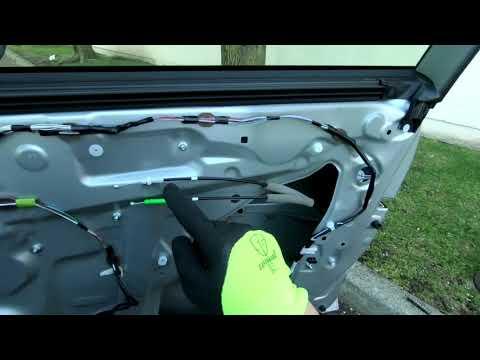
You’ll be removing the interior door panel, disconnecting the latch and cables, and swapping the door lock actuator on your Corolla. The driver and passenger front doors are almost the same; the driver side just has more wiring for switches.
Difficulty Level: Intermediate | Estimated Time: 1.5–2.5 hours per door
⚠️ Safety & Precautions
- ⚠️ Disconnect the negative battery terminal before unplugging any door wiring to avoid airbag or electrical issues.
- ⚠️ Keep the window fully up so the glass is out of the way while you work.
- ⚠️ Do not pry near the side airbag area at the lower part of the door; only remove clips where directed.
- ⚠️ Work slowly with plastic trim; force can crack clips or panels.
- ⚠️ Keep track of screws and clips so the door panel goes back tight and rattle-free.
🔧 Required Tools
You'll need the following tools for this repair:
- 🛠️ 10mm socket
- 🛠️ 1/4" drive ratchet
- 🛠️ 3" socket extension
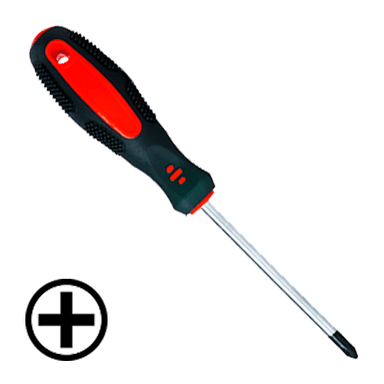
- 🛠️ Phillips #2 screwdriver
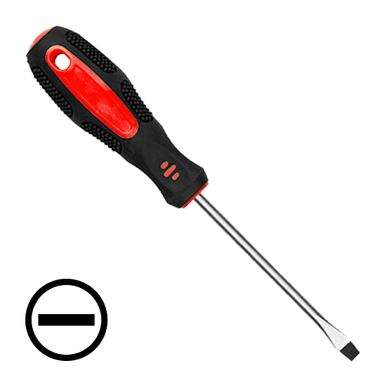
- 🛠️ Flathead screwdriver (small)
- 🛠️ Trim removal tool set (plastic)
- 🛠️ Needle-nose pliers
- 🛠️ Panel clip removal tool
- 🛠️ Torx T30 driver or bit
- 🛠️ Torque wrench (inch-lb or low-range ft-lb)
- 🛠️ Work light
- 🛠️ Fender cover or towel
- 🛠️ Mechanic gloves
- 🛠️ Safety glasses
🔩 Required Parts
HowToo sells all the parts you need for this repair:
- 🔩 Front door lock actuator and latch assembly (driver or passenger, as needed) - Qty: 1
- 🔩 Door panel push clips - Qty: 6–10 (in case some break)
- 🔩 Butyl sealant or waterproof tape - Qty: 1 roll (for vapor barrier if damaged)
- 🔩 White lithium grease (spray or tube) - Qty: 1 (for latch and linkages)
📋 Before You Begin
- Park the Corolla on level ground, set the parking brake, and turn ignition off.
- Make sure the window on the door you’re working on is fully closed.
- Open that front door fully so you have space to work.
- Disconnect the negative battery cable using a 10mm socket and move it aside so it cannot spring back.
- Have a small tray or cup ready to hold screws and clips.
🔨 Step-by-Step Instructions
Follow these steps in order:
Step 1: Remove door switch trim and hidden screw covers
- Use a trim removal tool to gently pry up the window switch panel (driver side has the master switch; passenger side has a single switch).
- Lift the panel and disconnect the electrical connectors by pressing their tabs with your flathead screwdriver (small) if needed.
- Use the trim removal tool to pop out the small plastic cover behind the interior door handle to reveal a screw.
- On some SE trims, there is another screw in the armrest pocket; check and pop any small cap with the flathead screwdriver.
Step 2: Remove door panel mounting screws
- Use a Phillips #2 screwdriver to remove the screw behind the interior handle.
- Remove any screw(s) in the armrest pull pocket with the Phillips #2 screwdriver.
- Place all screws in your tray so you don’t lose them.
Step 3: Release door panel clips and remove panel
- Starting at the bottom edge of the door, slide a trim removal tool between the panel and the metal door.
- Gently pry outward to pop the first plastic clip; you’ll hear it release.
- Work your way around the sides and bottom of the panel, using the trim removal tool wherever you feel resistance until all clips release.
- Once all clips are loose, lift the door panel straight up to unhook it from the window ledge, then pull it slightly away from the door.
- Disconnect the door courtesy light and any remaining connectors using your flathead screwdriver to press release tabs.
- Unhook the interior door handle cable from the back of the handle by rotating the plastic clip and lifting the cable end out with needle-nose pliers if needed.
- Set the door panel somewhere safe, cloth-side up.
Step 4: Remove the inner water/vapor barrier
- The thin plastic sheet stuck to the door is the vapor barrier; it keeps moisture out of the cabin.
- Carefully peel it back around the area of the latch and actuator using your hands and a trim removal tool, trying not to tear it.
- If the butyl adhesive is very sticky, use the trim removal tool to separate it slowly. Do not cut the sheet.
- Fold it up and tape it temporarily out of your way if needed.
Step 5: Disconnect outside handle rods and lock cables
- Look inside the door at the latch area (rear edge of the door).
- You’ll see one or more metal rods and a cable going to the latch/actuator assembly.
- Note their routing; take a clear photo with your phone as a reference. Photos save reassembly headaches.
- Use needle-nose pliers to gently flip open the small plastic retaining clips that hold the rods, then lift the rods out of their holes.
- Unclip the interior handle cable from its bracket and slide the cable end out, again using needle-nose pliers if tight.
Step 6: Remove outside door handle access plug and screws
- On the rear edge of the door, near the latch, locate the small black plastic plug; this gives access to the exterior handle retaining screw.
- Pry out the plug gently with the flathead screwdriver.
- Insert a Torx T30 driver into the opening and loosen the handle retaining bolt. Do not fully remove it; just back it out enough to release the outer handle cap. It is captive; it stays inside.
- From outside the door, slide the small rear cap of the exterior handle toward the rear and remove it by hand.
- Slide the main exterior handle slightly toward the rear, then pull it out from the door skin. Set it aside.
Step 7: Unbolt and remove the lock actuator/latch assembly
- At the rear edge of the door, remove the three latch mounting bolts using a Torx T30 driver.
- Inside the door, disconnect the electrical connector from the actuator by pressing its tab with a flathead screwdriver.
- Carefully maneuver the latch/actuator assembly out through the opening, keeping the rods and cables from snagging.
- If tight, gently move wiring harnesses aside with the trim removal tool and your hands; do not pull on wires.
Step 8: Swap actuator (if separate from latch)
- On many 2021 Corolla SE models the actuator is built into the latch. If your replacement is a complete assembly, you can skip to Step 9.
- If your new part is only the motor/actuator, place the old latch on a bench.
- Remove the small screws holding the actuator to the latch using a Phillips #2 screwdriver or Torx driver, depending on design.
- Transfer the actuator to the new or existing latch, aligning gears and levers exactly like the original.
- Tighten the small screws snugly by hand; these usually do not have a specific torque spec but do not overtighten.
Step 9: Install new latch/actuator assembly
- Position the new latch/actuator assembly inside the door, align it with the opening at the rear edge.
- Start the three latch bolts by hand, then tighten them with a Torx T30 driver.
- Use a torque wrench with Torx T30 bit to tighten latch bolts to 8–10 Nm (71–89 in-lb).
- Reconnect the electrical connector to the actuator, ensuring it clicks into place.
Step 10: Reinstall exterior door handle and connect rods/cables
- From outside, insert the exterior handle into the door, sliding the front in first, then the rear.
- Reinstall the small rear cap piece, sliding it into place.
- From the door edge, use the Torx T30 driver to tighten the handle retaining screw through the access hole until snug; do not overtighten.
- From inside the door, reconnect all metal rods and cables to the new latch/actuator assembly, matching your earlier photo.
- Use needle-nose pliers to close all plastic retaining clips fully around the rods.
- Lightly spray the latch and sliding points with white lithium grease to keep movement smooth.
Step 11: Temporary test before closing door
- Reconnect the negative battery cable with a 10mm socket and tighten to 5–7 Nm (44–62 in-lb).
- With the door still open, use a screwdriver tip to push the door latch catch closed (simulate the door being shut).
- Press the lock/unlock buttons on the key fob and on the inside switch to confirm the latch cycles correctly.
- Pull the interior and exterior handles to confirm they release the latch.
- Use the interior handle to “open” the simulated latch, then use your finger or flathead screwdriver to reset it to the open position.
- Disconnect the negative battery cable again with the 10mm socket before reassembling the door panel.
Step 12: Refit vapor barrier
- Press the vapor barrier back into its original position, making sure it fully seals around the edges.
- If the original adhesive no longer sticks, apply butyl sealant or waterproof tape along the edge and press the plastic sheet firmly.
- Make sure any cable or wiring passes through the correct openings, not under the plastic.
Step 13: Reinstall door panel
- Reconnect all electrical connectors you unplugged earlier (window switch, courtesy light, etc.) by hand until they click.
- Reconnect the interior handle cable to the back of the handle using your hands or needle-nose pliers as needed.
- Hang the top of the door panel on the window ledge by hooking it over the metal flange.
- Once hooked, push the panel straight toward the door, lining up the plastic clips with their holes.
- Use the palm of your hand to firmly press around the edges of the door panel to snap all clips in.
Step 14: Reinstall screws and trim pieces
- Reinstall the screws behind the interior handle and in the armrest pocket using a Phillips #2 screwdriver.
- Snap the small screw covers back over the screws by hand.
- Reconnect the window switch connectors, then press the switch panel back into place using your hands until it clicks all around.
Step 15: Final electrical reconnection and functional test
- Reconnect the negative battery cable one last time with the 10mm socket, torque to 5–7 Nm (44–62 in-lb).
- Close the door gently and check that it latches normally.
- Test lock and unlock from the key fob, the interior switch, and by using the key (driver side) if equipped.
- Confirm the interior and exterior handles work smoothly and the door opens easily from both sides.
- Check that the window switch works and there are no rattles when closing the door.
✅ After Repair
- Lock and unlock the Corolla several times from inside and outside to confirm consistent operation.
- Drive on a short, bumpy road and listen for new rattles from the repaired door.
- If you disconnected auto-up/down windows (driver side), hold the window switch up for a few seconds after it closes to relearn the limit, if needed.
- Recheck that all door seals sit properly and the door closes with the same effort as the other doors.
💰 DIY vs Shop Cost
Shop Cost: $280–$450 (parts + labor)
DIY Cost: $90–$180 (parts only, depending on side and brand)
You Save: $190–$270 by doing it yourself!
Shop labor rates vary but typically run $100–$150/hour. This repair takes a shop approximately 1.0–1.5 hours.
🎯 Ready to get started?
HowToo makes it easy: same-day/2-day shipping on every part, plus all the tools and specialty tools you need! Check out the parts and tools sections above to add everything to your cart.