









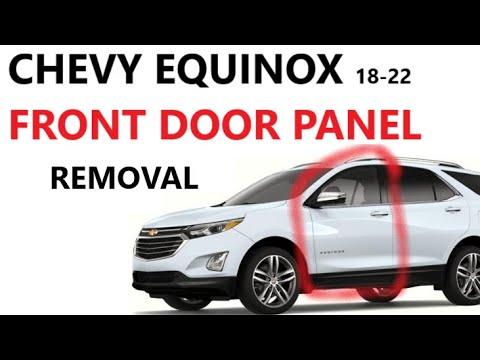




How to Replace the Front Door Lock Actuator on a 2020 Chevy Equinox
Step-by-step DIY guide with tools, parts list, torque specs, safety tips, and testing steps
How to Replace the Front Door Lock Actuator on a 2020 Chevy Equinox
Step-by-step DIY guide with tools, parts list, torque specs, safety tips, and testing steps


🔧 Equinox - Front Door Lock Actuator Replacement
You’ll remove the interior door panel, unplug and unbolt the old actuator, then install a new one and reconnect the lock rods and cables. The actuator is the small electric motor that locks and unlocks the door using the key fob or switch.
Difficulty Level: Intermediate | Estimated Time: 1.5–2.5 hours per door
⚠️ Safety & Precautions
- ⚠️ Disconnect the negative battery cable before working near airbag wiring in the door to avoid accidental deployment.
- ⚠️ Window glass and sharp metal edges inside the door can cut you; always wear gloves and move your hands slowly.
- ⚠️ Do not turn the ignition on with the side airbag connector unplugged; this can set an airbag warning light.
- ⚠️ Support the door panel when it is loose so you don’t pull on electrical wires and cables.
🔧 Required Tools
You'll need the following tools for this repair:
- 🧰 10mm socket
- 🧰 Ratchet handle
- 🧰 3/8" drive extension
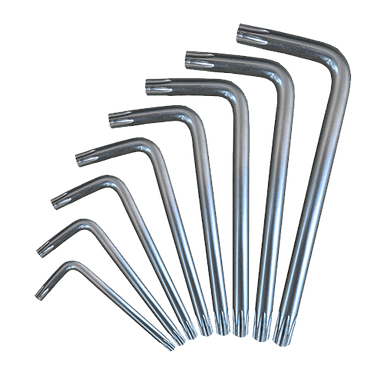
- 🧰 T20 Torx screwdriver
- 🧰 T30 Torx screwdriver
- 🧰 Phillips #2 screwdriver
- 🧰 Flathead screwdriver (small)
- 🧰 Plastic trim removal tool set
- 🧰 Needle-nose pliers
- 🧰 Panel clip removal tool
- 🧰 Magnetic pickup tool
- 🧰 Torque wrench 2–20 Nm range
- 🧰 Work light
- 🧰 Mechanic gloves
- 🧰 Safety glasses
- 🧰 Painter’s tape (25mm)
🔩 Required Parts
HowToo sells all the parts you need for this repair:
- 🔩 Front door lock actuator assembly (left or right, as needed) - Qty: 1
- 🔩 Front door latch-to-door gasket/seal - Qty: 1
- 🔩 Door trim panel push clips - Qty: 4–8
- 🔩 Butyl tape or door vapor barrier adhesive - Qty: 1 roll
- 🔩 Dielectric grease - Qty: 1 small tube
📋 Before You Begin
- Park the Equinox on level ground, set the parking brake, and turn the ignition off.
- Lower the affected window fully so you can see the glass position later.
- Open the affected front door fully and make sure you have good lighting.
- Disconnect the negative battery cable using a 10mm socket and move it aside.
- Apply painter’s tape along the door edges and B-pillar to protect paint from tools.
🔨 Step-by-Step Instructions
Follow these steps in order:
Step 1: Confirm which door and test the symptom
- Use the key fob and interior lock switch to see which front door is not locking or unlocking properly.
- Gently try to lock/unlock that door using the manual knob to feel for binding.
- Only work on the door that has the issue.
Step 2: Remove trim covers and visible screws
- Use a plastic trim removal tool to pry off the small plastic cover behind the interior door handle to expose a screw.
- Use the plastic trim removal tool again to pop up the trim around the window/lock switch panel.
- Disconnect the switch electrical connector by pressing the tab with a flathead screwdriver if needed and pulling gently.
- Use a T20 Torx screwdriver to remove the screw behind the interior handle.
- Use a T20 Torx screwdriver to remove any screws at the bottom of the door panel and in the armrest area.
Step 3: Release the door panel from the clips
- Starting at the bottom corner, slide a plastic trim removal tool between the door panel and metal door.
- Pry gently to pop loose the plastic panel clips one at a time around the sides and bottom.
- Use a panel clip removal tool if a clip is stubborn or stays in the door metal.
- Once all clips are free, lift the door panel straight up to unhook it from the window sill.
- Support the panel with one hand; do not pull it far yet because of cables and wires.
Step 4: Disconnect cables and wiring from the door panel
- Use a flathead screwdriver to gently open the small plastic retainers holding the interior handle cable(s) to the panel.
- Rotate the cable ends out of the handle levers using your fingers or needle-nose pliers.
- Disconnect remaining electrical connectors (speaker, courtesy light, etc.) by pressing their tabs with your fingers or a flathead screwdriver.
- Set the door panel aside in a clean, safe place, cloth side up.
Step 5: Remove the water shield (vapor barrier)
- The thin plastic sheet behind the panel is the vapor barrier; it keeps moisture out of the interior.
- Carefully peel it back from the rear edge of the door using your hands; help it along with a plastic trim removal tool if the adhesive is sticky.
- Do not tear the plastic; peel back only enough to access the latch/actuator area at the rear of the door.
- Keep adhesive side clean to reuse or plan to reseal.
Step 6: Disconnect electrical connector at door lock actuator
- Locate the door latch/actuator assembly at the rear edge of the door where the striker meets.
- Find the electrical connector on the actuator.
- Use a flathead screwdriver to lift the locking tab gently, then pull the connector off by hand.
- Apply a tiny amount of dielectric grease to the connector seal; set it to the side.
Step 7: Disconnect lock and handle rods/cables
- From inside the door, trace the metal rod or cable from the interior handle and from the exterior handle to the latch/actuator unit.
- Use needle-nose pliers to rotate the small plastic clips that hold the rods to the latch, then lift the rods out of their holes.
- If your door uses cables instead of rods, unclip the cable housings from their brackets and then unhook the cable ends.
- Take a photo for reference before removing rods/cables.
Step 8: Remove the latch/actuator mounting screws
- Open the door and look at the rear edge where the latch hooks to the body.
- Use a T30 Torx screwdriver to remove the 3 latch mounting screws on the door edge.
- Keep the screws in a tray; consider using a magnetic pickup tool if one drops inside the door.
- Torque for reassembly: 8–10 Nm (71–89 in-lbs)
Step 9: Remove the latch/actuator assembly from the door
- From inside the door, maneuver the latch/actuator assembly out through the opening; you may have to tilt and rotate it to clear the window guide.
- Use a work light so you can clearly see how it comes out; this helps you reverse the motion with the new one.
- Move slowly to avoid scratching window glass.
Step 10: Separate old actuator from latch (if not one-piece)
- On many Equinox doors the actuator is integrated with the latch; if your replacement is a full latch/actuator assembly, skip this step.
- If separate, use a T20 Torx screwdriver to remove the small screws holding the actuator motor to the latch body.
- Gently pull the actuator off, noting the position of any levers or gears.
- Torque for reassembly of small Torx screws: 3–4 Nm (27–35 in-lbs)
Step 11: Install the new actuator (or latch/actuator assembly)
- Position the new actuator onto the latch in the same orientation as the original; make sure all levers engage.
- Use a T20 Torx screwdriver to install the screws and tighten to 3–4 Nm (27–35 in-lbs) if separate.
- If using a complete latch/actuator assembly, compare it side by side with the old one to confirm all brackets and levers match.
Step 12: Refit the latch/actuator into the door
- Guide the latch/actuator back into the door cavity using your hands and a work light, following the same path you used to remove it.
- Align the latch so the screw holes in the latch line up with the holes on the door edge.
- Install the 3 latch screws by hand first, then tighten them with a T30 Torx screwdriver to 8–10 Nm (71–89 in-lbs).
Step 13: Reconnect lock and handle rods/cables
- Install the lock and handle rods into their holes on the latch; use your previous photo as a guide.
- Rotate the plastic retaining clips back over the rods using your fingers or needle-nose pliers until they click.
- Reconnect any cables by hooking the ends into the levers and snapping their housings into the brackets.
Step 14: Reconnect the electrical connector and test with panel off
- Reconnect the electrical connector to the actuator until it clicks.
- Temporarily reconnect the window/lock switch to its connector.
- Reconnect the negative battery cable with a 10mm socket.
- Use the key fob and interior lock switch to test lock/unlock operation as you watch the latch move inside the door.
- Check that both the inside and outside handles open the door correctly.
- Test now; easier than after panel is back on.
Step 15: Reseal the vapor barrier
- Disconnect the battery negative cable again using a 10mm socket before handling wiring more.
- Press the vapor barrier back into place over its original adhesive.
- If the adhesive no longer sticks, apply fresh butyl tape or door vapor barrier adhesive along the edges and press firmly.
- Make sure there are no gaps, especially at the bottom, to prevent water leaks.
Step 16: Reattach door panel cables and wiring
- Bring the door panel near the door and reconnect the speaker and any other electrical connectors by hand.
- Reconnect the interior handle cable(s) by hooking the ends into the handle levers and snapping the cable housings back into their clips using your fingers or needle-nose pliers.
- Double-check cables are routed smoothly, not kinked.
Step 17: Reinstall the door panel
- Hook the top of the door panel over the window sill first, making sure it sits evenly.
- Align the panel so the plastic clips line up with the holes in the door metal.
- Press around the edges with the palm of your hand to snap all clips back into place.
- Replace any damaged clips using your hands or a panel clip removal tool to seat them.
Step 18: Reinstall screws and trim pieces
- Use a T20 Torx screwdriver to reinstall the screws in the armrest and near the interior handle.
- Use a Phillips #2 screwdriver if any screws are Phillips type on your panel.
- Snap the window/lock switch panel back into the door by hand.
- Press the small trim cover behind the door handle back into place.
Step 19: Final testing
- Reconnect the negative battery cable using a 10mm socket and tighten snugly.
- Test the door from outside: lock/unlock with the key fob, then try the handle.
- Test from inside: use the lock switch, manual lock knob, and interior handle.
- Verify the child safety lock (if on rear doors; not needed here) is in the correct position.
✅ After Repair
- Check all power windows, door locks, and mirrors on that door to confirm all connectors are properly attached.
- Drive slowly on a quiet road and listen for new rattles from the door; if you hear any, a clip may not be fully seated.
- Verify the security system arms and disarms correctly and that the door triggers the dome light when opened.
💰 DIY vs Shop Cost
Shop Cost: $280–$420 (parts + labor)
DIY Cost: $80–$160 (parts only)
You Save: $200–$260 by doing it yourself!
Shop labor rates vary but typically run $100–$150/hour. This repair takes a shop approximately 1.0–1.5 hours.
🎯 Ready to get started?
HowToo makes it easy: same-day/2-day shipping on every part, plus all the tools and specialty tools you need! Check out the parts and tools sections above to add everything to your cart.