









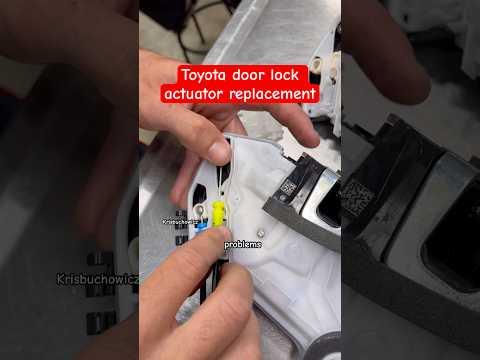





How to Replace the Front Door Lock Actuator on a 2019 Toyota Camry
Step-by-step DIY guide with tools, parts list, torque specs, safety tips, and testing instructions
How to Replace the Front Door Lock Actuator on a 2019 Toyota Camry
Step-by-step DIY guide with tools, parts list, torque specs, safety tips, and testing instructions


🔧 Camry - Front Door Lock Actuator Replacement
You’ll be removing the interior door panel, then unbolting and unplugging the lock actuator from the door latch and lock rods. This fixes issues like a door that won’t lock/unlock with the remote or power switch.
Difficulty Level: Intermediate | Estimated Time: 1.5–2.5 hours per door
⚠️ Safety & Precautions
- 🔸Disconnect the negative battery cable before unplugging any door wiring to avoid accidental airbag or window motor activation.
- 🔸The front doors contain side airbags in the door panel; handle the panel gently and never probe yellow airbag connectors.
- 🔸Support the glass when working around the window area so you do not slam or hit it accidentally.
- 🔸Work with the ignition OFF and the key out of the vehicle.
- 🔸Use plastic trim tools to avoid cracking the door panel or scratching paint.
🔧 Required Tools
You'll need the following tools for this repair:
- 🔸10mm socket
- 🔸1/4" drive ratchet
- 🔸1/4" drive extension (3"-6")
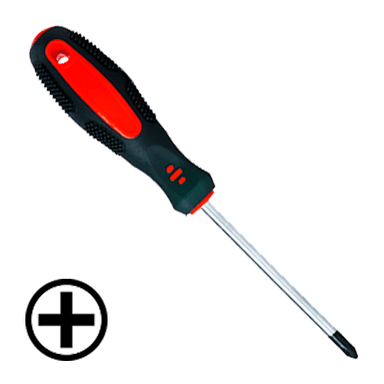
- 🔸Phillips #2 screwdriver
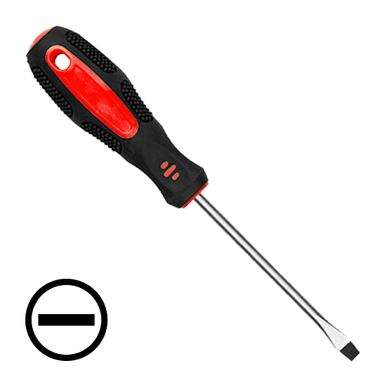
- 🔸Flathead screwdriver (small)
- 🔸Trim removal tool set (plastic)
- 🔸Needle-nose pliers
- 🔸Panel clip removal tool
- 🔸Torque wrench (inch-pound, 30–80 in-lb range)
- 🔸Work light or headlamp
- 🔸Mechanic gloves
- 🔸Safety glasses
- 🔸Small magnet pickup tool
- 🔸Marker pen or masking tape
🔩 Required Parts
HowToo sells all the parts you need for this repair:
- 🔸Front door lock actuator with latch assembly (side-specific: left or right) - Qty: 1
- 🔸Front door inner water shield butyl tape/sealer - Qty: 1 roll
- 🔸Door panel retaining clips - Qty: 10–15 (have extras in case some break)
- 🔸White lithium grease (spray or tube) - Qty: 1
- 🔸Electrical contact cleaner - Qty: 1 (optional)
- 🔸Painters tape or masking tape - Qty: 1 roll
📋 Before You Begin
- Park the Camry on level ground, set the parking brake, and open the door you are working on fully.
- Lower the window on that door fully to reduce pressure on the glass.
- Turn ignition OFF and remove the key.
- Disconnect the negative battery terminal using a 10mm socket, then wait at least 2–3 minutes for airbag circuits to power down.
- Lay a clean blanket or thick towel nearby to place the door panel on once it’s removed.
🔨 Step-by-Step Instructions
Follow these steps in order:
Step 1: Confirm Door Side and Unlock the Door
- Make sure you know if you are doing the front left (driver) or front right (passenger) door; the actuator assemblies are side-specific.
- Unlock all doors manually before disconnecting the battery so the latch can move freely.
Step 2: Remove Small Trim Covers and Screws
- Use a trim removal tool to gently pry off the small plastic cover behind the interior door handle (it hides a screw).
- Use the Phillips #2 screwdriver to remove the screw behind that cover.
- Pry up the small cover inside the pull handle area (where you grab to close the door) with a trim removal tool, and remove the hidden Phillips screw there.
- If equipped with a small trim piece near the mirror sail panel, pry it off gently with a trim removal tool.
- Keep screws in a cup so none get lost.
Step 3: Remove the Window Switch Panel
- Use a trim removal tool to carefully pry up the window switch panel from the rear edge, then lift it out.
- Disconnect the electrical connectors by pressing the tabs with your fingers or a small flathead screwdriver.
- Set the switch panel aside somewhere safe.
Step 4: Remove the Door Panel
- Starting at the bottom edge of the door, slide the panel clip removal tool or a trim removal tool between the panel and metal door.
- Gently pry out to pop the plastic clips one by one along the bottom and sides.
- Once all clips are released, lift the door panel straight up to unhook it from the top edge near the window.
- Before pulling it away completely, reach behind and unplug any remaining connectors (courtesy light, etc.) by hand or with a small flathead screwdriver on the tabs.
- Unhook the interior door handle cables: note how the colored ends clip into the handle, then use needle-nose pliers to rotate and release the cable ends.
- Place the panel on the blanket with the inside facing up.
Step 5: Remove the Inner Water Shield
- The thin plastic sheet is the water shield. Carefully peel it back starting from one corner using your fingers and a trim removal tool.
- Try to keep the butyl sealer (black sticky stuff) as clean as possible, but you will reinforce or replace it later.
- Do not tear wiring harnesses or foam blocks attached to the shield; let them hang gently.
- Only peel back enough to access the latch and rods.
Step 6: Disconnect Door Lock and Handle Rods at Interior Handle Area
- Look at the inside door area behind the interior handle section where the cables/rods run to the latch.
- Use needle-nose pliers to rotate the plastic retaining clips off the rods, then slide the rods out of the clips.
- Note the exact routing and which rod goes where; mark them with marker pen or masking tape if needed.
Step 7: Disconnect Electrical Connector at the Lock Actuator
- Locate the lock actuator/latch unit at the rear edge of the door (by the door latch).
- Press the tab on the large electrical connector with your thumb or a small flathead screwdriver and pull the connector straight off.
- If terminals look dirty, you can clean with electrical contact cleaner and let dry.
Step 8: Remove Exterior Door Handle Cap (If Required)
- Open the door and look at the edge near the latch; you’ll see a small rubber plug near the exterior handle area.
- Remove the plug with a small flathead screwdriver.
- Use a Torx T30 screwdriver if present (some Camrys use a Torx screw here) to loosen the screw that holds the outer handle cap. Do not remove the screw completely, just back it out.
- Slide off the small rear cap of the exterior handle with your fingers.
- If your handle design differs, skip this step.
Step 9: Remove the Latch/Actuator Mounting Bolts
- On the door edge by the latch, locate the three mounting bolts.
- Use a 10mm socket with ratchet and possibly an extension to remove all three bolts.
- Keep a magnet pickup tool handy in case a bolt drops inside the door.
- Factory torque spec for latch bolts on your Camry: Torque to 7.5 Nm (66 in-lb) during reassembly.
Step 10: Remove the Latch/Actuator Assembly from the Door
- With the bolts removed, gently pull the latch/actuator assembly inward from the door edge.
- Carefully guide attached rods and cables through the inner door opening; you may need to rotate the assembly to get it out.
- Note routing of any rods going up to the exterior handle; take a picture with your phone for reference.
Step 11: Separate Old Actuator (If Not Integrated)
- On this Camry, the actuator is typically integrated with the latch; however, if your replacement is actuator-only, you’ll separate it from the latch.
- Use a Phillips #2 screwdriver or 10mm socket (depending on fastener type) to remove screws or bolts holding the actuator to the latch.
- Transfer any rods, plastic levers, or gaskets to the new actuator exactly as found on the old one.
- Lightly lube moving latch parts with white lithium grease (avoid electrical connectors).
Step 12: Install the New Lock Actuator/Latch Assembly
- Position the new latch/actuator assembly in the door, feeding rods and cables back along the original paths.
- Align the latch with the holes at the door edge.
- Hand-thread the three latch bolts by hand to avoid cross-threading.
- Use the 10mm socket and ratchet to snug them evenly.
- Then use a torque wrench set correctly to 7.5 Nm (66 in-lb) to tighten the bolts.
Step 13: Reconnect Rods and Cables
- Reconnect the lock and handle rods to the actuator/latch levers, following your tape marks or photo.
- Use needle-nose pliers to snap the plastic retaining clips back over each rod.
- Make sure rods are not twisted or rubbing on other parts.
Step 14: Reconnect Electrical Connector and Test (Panel Off)
- Reconnect the actuator electrical connector by hand until it clicks.
- Temporarily reconnect the negative battery cable with the 10mm socket.
- Close the door latch using a flathead screwdriver to simulate a closed door (hook the latch and rotate it closed).
- Use the key fob and interior lock switch to make sure the new actuator locks and unlocks smoothly.
- Use the exterior and interior handles to confirm the latch releases; then reopen the latch with the door striker or by rotating it back with the flathead screwdriver.
- Disconnect the negative battery cable again before reassembling the panel.
Step 15: Reinstall the Water Shield
- Press the plastic water shield back into place along the original outline.
- If the butyl is no longer sticky, add fresh water shield butyl tape/sealer along the edges.
- Make sure there are no large gaps; this keeps water and noise out.
Step 16: Reinstall the Door Panel
- Reconnect all electrical plugs to the door panel (window switch harness, courtesy light, etc.) by hand.
- Reconnect the interior door handle cables to the handle: snap the cable ends into their seats and clip the housings back into place using your fingers or needle-nose pliers.
- Hook the top edge of the door panel over the window ledge first.
- Once aligned, press around the edges to re-engage all the panel clips; use your palms, not fists.
Step 17: Reinstall Screws, Switch Panel, and Trim Caps
- Reinstall the screws in the door pull handle and behind the interior handle using the Phillips #2 screwdriver.
- Snap the plastic covers back over the screws by hand.
- Reinstall the window switch panel: connect its harness, set it into place, and press down until it clicks.
- Reinstall any small trim pieces (mirror sail panel trim, etc.) with a firm push.
Step 18: Final Battery Connection and Full Test
- Reconnect the negative battery cable and tighten the nut with a 10mm socket. Do not overtighten.
- Cycle the locks using the interior switch and the key fob from inside and outside the car.
- Verify the door opens from both handles when unlocked and will not open when locked.
- Check window switch operation and mirror controls (if on that panel).
- Listen for any rattles when closing the door; if you hear one, a clip may not be fully seated.
✅ After Repair
- 🔸Drive at low speed and use the power locks a few times to confirm consistent operation.
- 🔸Verify the child lock (if on rear doors) or any lock settings in the multi-information display are correct.
- 🔸If any warning lights appear on the dash, recheck connectors in the door, then clear codes with a scan tool if needed.
- 🔸Re-check panel clips and screws after a few days if you hear any new squeaks.
💰 DIY vs Shop Cost
Shop Cost: $350–$550 (parts + labor)
DIY Cost: $120–$220 (parts only)
You Save: $230–$330 by doing it yourself!
Shop labor rates vary but typically run $100–$150/hour. This repair takes a shop approximately 1.5–2.0 hours.
🎯 Ready to get started?
HowToo makes it easy: same-day/2-day shipping on every part, plus all the tools and specialty tools you need! Check out the parts and tools sections below to add everything to your cart.