









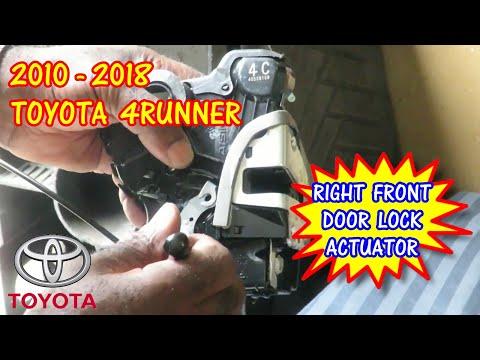





How to Replace the Front Door Lock Actuator on a 2018 Toyota 4Runner
Step-by-step door panel removal, latch/actuator install, tools list, and torque specs (71 in-lb / 8 N·m) for 2010, 2011, 2012, 2013, 2014, 2015, 2016, 2017, 2018, 2019
How to Replace the Front Door Lock Actuator on a 2018 Toyota 4Runner
Step-by-step door panel removal, latch/actuator install, tools list, and torque specs (71 in-lb / 8 N·m) for 2010, 2011, 2012, 2013, 2014, 2015, 2016, 2017, 2018, 2019


🔧 4Runner - Front Door Lock Actuator Replacement
On your 4Runner, the “door lock actuator” is built into the door latch/lock assembly inside the door. Replacement requires removing the interior door panel, moving the moisture barrier aside, then swapping the latch/actuator assembly and reconnecting the rods/cables.
Quick question: Is this the driver front door or passenger front door? (The part is different left vs right.)
Difficulty Level: Intermediate | Estimated Time: 1.5-3.0 hours
⚠️ Safety & Precautions
- ⚠️ Disconnect the battery negative cable before unplugging door wiring.
- ⚠️ Keep the window fully UP before starting so you don’t drop it.
- ⚠️ Don’t tear the moisture barrier (plastic sheet). It prevents water leaks.
- ⚠️ Use trim tools (plastic) to avoid cutting the airbag/trim wiring in the door.
🔧 Required Tools
You'll need the following tools for this repair:
- 10mm socket
- 1/4" ratchet
- 6" socket extension (1/4")
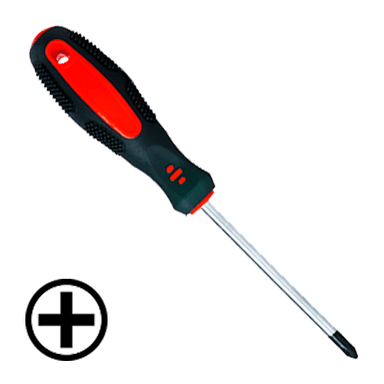
- Phillips #2 screwdriver
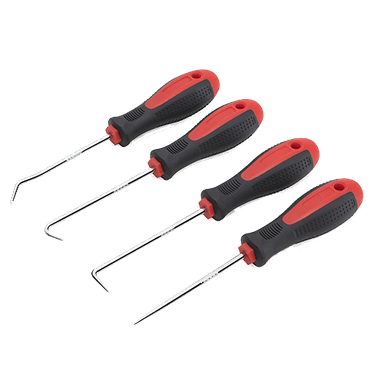
- Pick tool
- Trim removal tool set (plastic)
- Needle-nose pliers
- Razor blade or scissors
- Painter’s tape
- Torque wrench (in-lb)
- Mechanic gloves
- Safety glasses
🔩 Required Parts
HowToo sells all the parts you need for this repair:
- Front door latch/lock actuator assembly - Qty: 1
- Door moisture barrier butyl tape - Qty: 1
- Door panel retaining clips - Qty: 1 set
📋 Before You Begin
- 🅿️ Park on level ground and keep the window fully UP.
- 🔑 Remove the key fob from the vehicle so the locks don’t cycle unexpectedly.
- 🔋 Use a 10mm socket to disconnect the battery negative terminal and isolate it so it can’t spring back.
- 🧼 Lay a towel on the door sill to protect paint and trim.
🔨 Step-by-Step Instructions
Follow these steps in order:
Step 1: Remove the interior door panel
- Use a trim removal tool set (plastic) to gently pry up the window/lock switch panel.
- Unplug the switch connectors by pressing the tabs (use a pick tool only if needed).
- Remove the door pull/handle screws using a Phillips #2 screwdriver (some panels also use a 10mm bolt; use a 10mm socket if present).
- Use a trim removal tool set (plastic) to pop the panel clips free around the edges, then lift the panel straight UP to unhook it from the window channel.
Step 2: Disconnect cables/wiring from the door panel
- Disconnect any remaining connectors using your hands; use a pick tool carefully if a tab is stubborn.
- If equipped, unhook the interior door handle cable(s). (A “cable” is a sheathed wire with a ball-end that snaps into the handle.) Use a needle-nose pliers if needed, gently.
- Tip: Take a photo before unhooking cables.
Step 3: Peel back the moisture barrier
- Use painter’s tape to hold wiring out of the way.
- Carefully peel the plastic moisture barrier back enough to access the latch area. Use a razor blade or scissors only to cut old butyl if necessary.
- Try not to stretch or tear the plastic.
Step 4: Disconnect the latch/actuator connectors and linkage
- Unplug the latch/actuator electrical connector(s) using your hands; use a pick tool to release the lock tab if present.
- Disconnect the lock rod(s) and/or handle linkage at the latch:
- Use a pick tool to flip the small plastic retaining clip open, then lift the rod out.
- Tip: Don’t break the colored rod clips.
Step 5: Remove the door latch/actuator assembly
- At the door edge (where the door latches shut), remove the latch fasteners using a 10mm socket, 1/4" ratchet, and 6" socket extension (1/4").
- Support the latch inside the door as the last fastener comes out, then maneuver the latch/actuator assembly out through the access opening.
Step 6: Install the new latch/actuator assembly
- Position the new latch/actuator assembly into the door and start the fasteners by hand.
- Tighten using a 10mm socket and torque wrench (in-lb): Torque to 71 in-lb (8 N·m).
- Reconnect all linkage rods/cables and snap the retaining clips fully closed using a pick tool (gently) or fingers.
- Reconnect the electrical connector(s) until they click.
Step 7: Test function before reassembly
- Reconnect the battery negative using a 10mm socket.
- With the door still open, test:
- Power lock/unlock from the switch
- Key fob lock/unlock
- Inside handle opens the door
- Outside handle opens the door
- Disconnect the battery negative again using a 10mm socket before putting the panel back on.
Step 8: Reinstall the moisture barrier and door panel
- Press the moisture barrier back into place. Add door moisture barrier butyl tape where the seal is no longer sticky.
- Rehang the door panel on the top lip (window channel) and press the clips in around the edges using your hands.
- Reinstall screws/bolts using a Phillips #2 screwdriver and/or 10mm socket.
- Plug in the switch connectors and snap the switch panel back in using a trim removal tool set (plastic) if needed.
Step 9: Final power-up
- Reconnect the battery negative using a 10mm socket.
- Verify all door functions again (locks, window, mirror, courtesy light).
✅ After Repair
- 🔍 Confirm the door locks/unlocks reliably from the key fob and the interior switch.
- 🚪 Confirm the door opens from inside and outside every time.
- 💧 After the next car wash/rain, check the carpet for moisture (a mis-sealed barrier can leak).
- 🪟 If the auto window function acts odd, cycle the window fully down/up once.
💰 DIY vs Shop Cost
Shop Cost: $350-$650 (parts + labor)
DIY Cost: $120-$280 (parts only)
You Save: $230-$370 by doing it yourself!
Shop labor rates vary but typically run $100-$150/hour. This repair takes a shop approximately 1.5-3.0 hours.
🎯 Ready to get started?
HowToo makes it easy: same-day/2-day shipping on every part, plus all the tools and specialty tools you need! Check out the parts and tools sections below to add everything to your cart.