













How to Replace the Front Door Lock Actuator on a 2016-2019 Jeep Grand Cherokee
Step-by-step latch assembly repair guide with tools, parts, torque specs, and safety tips
How to Replace the Front Door Lock Actuator on a 2016-2019 Jeep Grand Cherokee
Step-by-step latch assembly repair guide with tools, parts, torque specs, and safety tips for 2016, 2017, 2018, 2019


🔧 Grand Cherokee - Front Door Lock Actuator Replacement
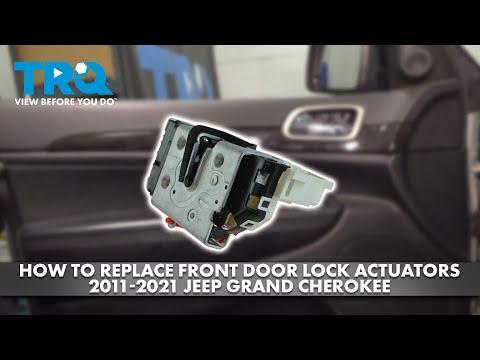
This repair replaces the front door lock actuator, which is the small electric latch motor assembly that locks and unlocks the door when you use the key fob, inside switch, or passive entry handle. On your Grand Cherokee, the actuator is built into the front door latch assembly, so the door panel, moisture barrier, and latch hardware must be removed carefully.
Difficulty Level: Intermediate | Estimated Time: 1.5-2.5 hours
⚠️ Safety & Precautions
- ⚠️ Disconnect the negative battery cable before unplugging door electrical connectors to reduce the chance of short circuits or accidental airbag-related faults.
- ⚠️ Your Grand Cherokee has side-impact safety components in the door area; do not probe yellow connectors or wiring.
- ⚠️ Support the door trim panel as you remove it so wiring connectors are not pulled or damaged.
- ⚠️ The inner door sheet metal has sharp edges. Wear cut-resistant gloves.
- ⚠️ Keep the window fully raised before starting so the glass does not interfere with latch removal.
🔧 Required Tools
You'll need the following tools for this repair:
- 10mm socket
- Ratchet handle
- Socket extension 6-inch
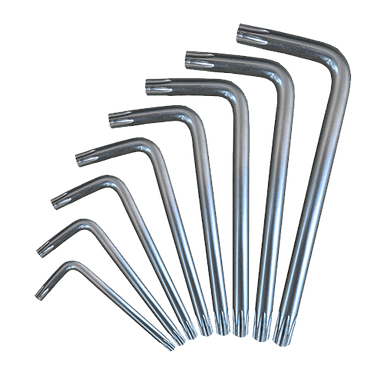
- Torx T20 screwdriver
- Torx T25 screwdriver
- Torx T30 screwdriver
- Trim panel removal tool set
- Small flat-blade screwdriver
- Needle-nose pliers
- Plastic scraper
- Painter’s tape 1-inch
- Torque wrench inch-pound
- Torque wrench foot-pound
- Work light
- Cut-resistant gloves
- Safety glasses
🔩 Required Parts
HowToo sells all the parts you need for this repair:
- Front door lock actuator latch assembly - Qty: 1
- Front door trim panel retaining clips - Qty: 6-10
- Butyl sealing tape - Qty: 1 roll
📋 Before You Begin
- Park your Grand Cherokee on level ground, shift to Park, and set the parking brake.
- Fully raise the front window on the door being repaired.
- Open the door and leave it open during the repair.
- Use painter’s tape to protect the painted door edge and trim surfaces near pry points.
- Disconnect the negative battery cable using a 10mm socket, then wait 3 minutes before unplugging any door connectors.
- A trim panel removal tool is a plastic pry tool that helps release clips without gouging the door panel.
- Butyl sealing tape is sticky black rope-style sealer used to reseal the plastic water shield inside the door.
🔨 Step-by-Step Instructions
Follow these steps in order:
Step 1: Disconnect the Battery
- Use a 10mm socket and ratchet handle to loosen the negative battery cable clamp.
- Move the cable aside so it cannot spring back onto the battery post.
- Wait at least 3 minutes before working on the door wiring.
- Take a photo first.
Step 2: Remove the Door Handle Trim Covers
- Use a small flat-blade screwdriver wrapped with painter’s tape to gently lift the screw cover behind the inside door handle.
- Use the same small flat-blade screwdriver to remove the screw cover inside the pull handle pocket.
- Set the covers aside in a small container.
Step 3: Remove the Door Panel Screws
- Use a Torx T20 screwdriver to remove the screw behind the inside door handle cover.
- Use a Torx T30 screwdriver to remove the screw in the pull handle pocket.
- Check the lower edge of the trim panel and remove any visible fasteners using the correct Torx T20 screwdriver if equipped.
Step 4: Release the Door Trim Panel Clips
- Start at the lower rear corner of the door panel.
- Slide a trim panel removal tool between the trim panel and the metal door shell.
- Pry outward gently to pop the first clip loose.
- Work around the bottom and sides with the trim panel removal tool until all clips are released.
- Lift the door panel upward to unhook it from the window ledge.
- Slow pressure prevents broken clips.
Step 5: Disconnect Door Panel Wiring and Cable
- Support the door panel with one hand.
- Use a small flat-blade screwdriver to press each electrical connector lock tab, then unplug the connectors.
- Release the inside handle cable from the door handle lever by rotating the cable end out of its slot.
- Use needle-nose pliers only if the cable retainer is tight; do not crush the plastic retainer.
- Place the door panel on a clean soft surface.
Step 6: Peel Back the Water Shield
- Use a plastic scraper to gently separate the black butyl sealer from the door shell.
- Peel the water shield back only far enough to access the latch area at the rear of the door.
- Do not tear the shield. It keeps rainwater away from the cabin.
- If the butyl sealer stretches or gets dirty, plan to refresh it with butyl sealing tape during reassembly.
Step 7: Disconnect the Latch Electrical Connector
- Use a work light to see inside the rear section of the door.
- Locate the door latch assembly at the rear edge of the door.
- Use a small flat-blade screwdriver to unlock the latch electrical connector tab if needed.
- Pull the connector straight off by the connector body, not by the wires.
Step 8: Disconnect the Lock Rods and Release Cables
- Use a work light to identify the lock rod and handle release cable connected to the latch.
- Use needle-nose pliers to rotate the plastic rod clip open.
- Lift the rod out of the clip by hand.
- Unclip the cable end from the latch lever by rotating the cable end out of its slot.
- Take photos before removal.
Step 9: Remove the Exterior Door Handle Link if Needed
- If the latch will not move freely, remove the exterior handle link from the latch.
- Use needle-nose pliers to open the retaining clip.
- Slide the link out of the latch lever by hand.
- Do not bend the rod, because that can change handle operation.
Step 10: Remove the Latch Assembly Fasteners
- At the rear edge of the door, locate the three latch screws around the latch opening.
- Use a Torx T30 screwdriver to remove the three latch screws.
- Hold the latch with one hand from inside the door as the last screw comes out.
- Factory-style install torque for the latch screws is Torque to 10 Nm (89 in-lbs).
Step 11: Remove the Old Actuator Latch Assembly
- Guide the latch assembly downward and inward through the access opening.
- Use a work light to watch for snagged rods or wiring.
- Remove the assembly from the door cavity.
- Compare the old and new latch assemblies before installing.
Step 12: Install the New Actuator Latch Assembly
- Feed the new front door lock actuator latch assembly into the door through the access opening.
- Align it with the latch opening at the rear edge of the door.
- Start the three screws by hand to avoid cross-threading.
- Use a Torx T30 screwdriver to snug the screws evenly.
- Use an inch-pound torque wrench with the correct Torx bit to tighten the latch screws to Torque to 10 Nm (89 in-lbs).
Step 13: Reconnect Rods, Cables, and Wiring
- Reconnect the exterior handle link by hand, then snap the plastic retainer closed.
- Reconnect the inside release cable by rotating the cable end into the latch lever.
- Reconnect the lock rod and close the plastic rod clip fully.
- Plug in the latch electrical connector until it clicks.
- Use a work light to confirm nothing is rubbing the window track.
Step 14: Test Before Reinstalling the Door Panel
- Temporarily reconnect the negative battery cable using a 10mm socket.
- Use the key fob to lock and unlock the door while the door is open.
- Use a screwdriver shank to simulate the striker by pushing the latch closed carefully.
- Pull the inside handle and outside handle to confirm the latch releases.
- Use the key fob again to confirm the lock actuator moves correctly.
- After testing, disconnect the negative battery cable again using a 10mm socket before reconnecting the trim panel wiring.
- Test now, not later.
Step 15: Reseal the Water Shield
- Press the water shield back onto the original butyl sealer by hand.
- Use butyl sealing tape anywhere the original sealer no longer sticks.
- Use a plastic scraper to press the shield edge flat without cutting it.
- Make sure there are no gaps along the bottom edge.
Step 16: Reconnect the Door Panel
- Reconnect all electrical connectors by hand until they click.
- Reconnect the inside handle cable to the door panel lever.
- Use needle-nose pliers only if the cable retainer needs gentle help seating.
- Hang the top of the door panel over the window ledge.
Step 17: Reinstall the Door Panel
- Align the trim panel clips with the holes in the door shell.
- Push around the edges of the panel by hand until each clip snaps in.
- Use a Torx T30 screwdriver to reinstall the pull handle pocket screw.
- Use a Torx T20 screwdriver to reinstall the inside handle screw and any lower screws removed.
- Tighten trim screws snug only; do not over-tighten plastic trim fasteners.
Step 18: Reinstall Trim Covers and Reconnect Battery
- Snap the screw covers back into place by hand.
- Reconnect the negative battery cable.
- Use a 10mm socket and ratchet handle to tighten the cable clamp.
- If using a foot-pound torque wrench, tighten the battery terminal clamp to Torque to 5 Nm (44 in-lbs).
✅ After Repair
- ✅ Test the lock and unlock function with the key fob, inside switch, and passive entry handle.
- ✅ Open and close the door several times from both inside and outside handles.
- ✅ Confirm the window moves fully up and down without binding or scraping noises.
- ✅ Check that the door ajar warning turns off when the door is closed.
- ✅ If the auto-up window feature loses calibration, hold the window switch down until fully open, then hold it up until fully closed and continue holding for 2 seconds.
- ✅ Confirm the speaker, mirror switch, lock switch, and courtesy light all work after reassembly.
💰 DIY vs Shop Cost
Shop Cost: $350-$650 (parts + labor)
DIY Cost: $90-$250 (parts only)
You Save: $260-$400 by doing it yourself!
Shop labor rates vary but typically run $100-$150/hour. This repair takes a shop approximately 1.0-1.8 hours.
🎯 Ready to get started?
HowToo makes it easy: same-day/2-day shipping on every part, plus all the tools and specialty tools you need! Check out the parts and tools sections below to add everything to your cart.
Guide for Door Lock Actuator Motor replace for these Jeep vehicles
| Year Make Model | Sub Model | Engine | Body Style |
|---|---|---|---|
| 2019 Jeep Grand Cherokee | - | - | - |
| 2018 Jeep Grand Cherokee | - | - | - |
| 2017 Jeep Grand Cherokee | - | - | - |
| 2016 Jeep Grand Cherokee | - | - | - |