









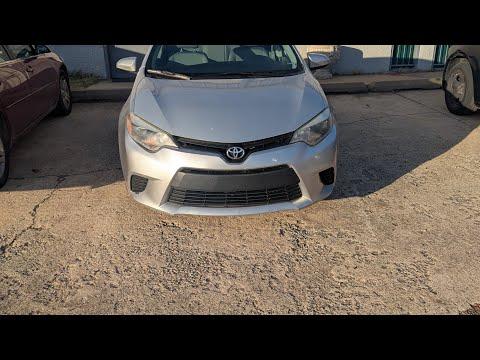





How to Replace the Front Door Lock Actuator on a 2015 Toyota Corolla
Step-by-step door panel removal, latch/actuator swap, tools, parts, and torque specs
How to Replace the Front Door Lock Actuator on a 2015 Toyota Corolla
Step-by-step door panel removal, latch/actuator swap, tools, parts, and torque specs


🔧 Corolla - Front Door Lock Actuator Replacement
Replacing the front door lock actuator means removing the interior door panel, peeling back the water shield, and swapping the latch/actuator unit inside the door. This is usually needed when the door won’t lock/unlock with the key fob or switch, or it makes a weak clicking sound.
Difficulty Level: Intermediate | Estimated Time: 1.5-3.0 hours
⚠️ Safety & Precautions
- ⚠️ If your Corolla has a side airbag in the door, disconnect the 12V battery and wait at least 90 seconds before unplugging anything.
- ⚠️ Support the door panel so you don’t strain wiring harnesses.
- ⚠️ Don’t tear the water shield (plastic sheet); it prevents leaks and wind noise.
- ⚠️ Keep the window fully up during the repair.
🔧 Required Tools
You'll need the following tools for this repair:
- 10mm socket
- 1/4" ratchet
- 6" extension (1/4" drive)
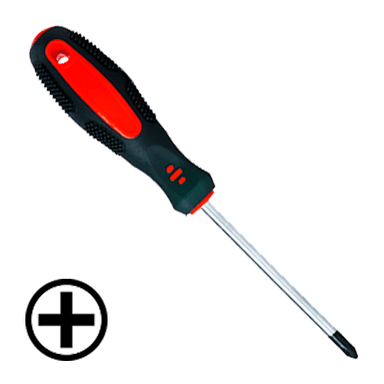
- Phillips #2 screwdriver
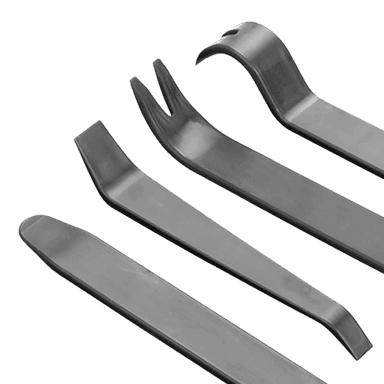
- Trim removal tool set (plastic)
- Pick tool
- Needle-nose pliers
- Torx T30 bit
- Torque wrench (in-lb or low-range ft-lb)
- Painter’s tape
- Work light
- Mechanic gloves
- Safety glasses
- 10mm wrench
🔩 Required Parts
HowToo sells all the parts you need for this repair:
- Front door lock actuator/latch assembly - Qty: 1
- Door panel trim clips - Qty: 6-10
- Butyl tape (water shield adhesive) - Qty: 1
📋 Before You Begin
- Park on level ground, key out of the car, window fully up.
- Answer these so I give you the exact steps for your Corolla:
- Which front door: driver or passenger?
- Do you have push-button start/Smart Key or a regular key?
- If the door has a “SRS” badge near the panel/trim, assume door side airbag is present and disconnect the battery: use 10mm wrench to remove the negative terminal and wait 90 seconds.
🔨 Step-by-Step Instructions
Follow these steps in order:
Step 1: Confirm the exact procedure path
- I’ll tailor the connector/clip steps based on your answers (driver vs passenger, Smart Key vs regular key).
- Reply with: Driver/Passenger and Push-button/Regular key.
Step 2: Remove the interior trim pieces
- Use a trim removal tool set (plastic) to carefully pop off the small trim cover behind the interior door handle area (if equipped).
- Use a Phillips #2 screwdriver to remove any exposed screws in the armrest/handle pocket area.
- Go slow—plastic tabs break easily.
Step 3: Remove the door panel
- Use a trim removal tool set (plastic) to pop the door panel clips around the perimeter.
- Lift the panel straight up to unhook it from the window ledge.
- Support the panel and unplug connectors using a pick tool (a small pointed tool used to release electrical connector locks).
Step 4: Peel back the water shield
- Use a trim removal tool set (plastic) and your hands to slowly peel the water shield back.
- If the adhesive won’t stick again, you’ll reseal it later with butyl tape.
Step 5: Disconnect the latch/actuator linkages and connector
- Locate the latch/actuator at the rear edge of the door.
- Unplug the actuator electrical connector using a pick tool to release the lock tab.
- Disconnect the inner handle cable/rod: use needle-nose pliers if needed and note the routing exactly.
Step 6: Remove the latch/actuator assembly
- At the door edge, remove the latch screws using a Torx T30 bit.
- Inside the door, remove any mounting bolts using a 10mm socket, 1/4" ratchet, and 6" extension (1/4" drive).
- Work the latch/actuator out through the access opening carefully without bending rods/cables.
Step 7: Install the new actuator/latch assembly
- Position the new unit in the door the same way the old one came out.
- Start all fasteners by hand first, then tighten with Torx T30 bit and 10mm socket.
- Final-tighten using a torque wrench (in-lb or low-range ft-lb): Torque to 7.5 Nm (66 in-lbs) for door latch screws.
- Hand-start screws to avoid cross-threading.
Step 8: Reconnect cables/rods and electrical connector
- Reconnect the handle cable/rod exactly as routed before.
- Plug the actuator connector back in until it clicks.
- Before reassembling, manually move the latch and operate the inside handle to confirm smooth action.
Step 9: Reseal the water shield
- Press the water shield back into place by hand.
- If needed, apply butyl tape to reseal gaps so water can’t reach the cabin.
Step 10: Reinstall the door panel and trim
- Reconnect all door panel electrical connectors.
- Hook the top of the panel onto the window ledge, then press the clips in around the perimeter.
- Reinstall screws using a Phillips #2 screwdriver.
- Replace any broken clips with new door panel trim clips.
✅ After Repair
- If you disconnected the battery, reconnect the negative terminal using a 10mm wrench.
- Test: lock/unlock with the key fob, the interior lock switch, and the key (if equipped).
- Confirm the inside handle opens the door and the outside handle works normally.
- Listen for smooth actuator operation (no rapid clicking).
💰 DIY vs Shop Cost
Shop Cost: $350-$650 (parts + labor)
DIY Cost: $90-$220 (parts only)
You Save: $260-$430 by doing it yourself!
Shop labor rates vary but typically run $100-$150/hour. This repair takes a shop approximately 1.5-2.5 hours.
🎯 Ready to get started?
HowToo makes it easy: same-day/2-day shipping on every part, plus all the tools and specialty tools you need! Check out the parts and tools sections below to add everything to your cart.