









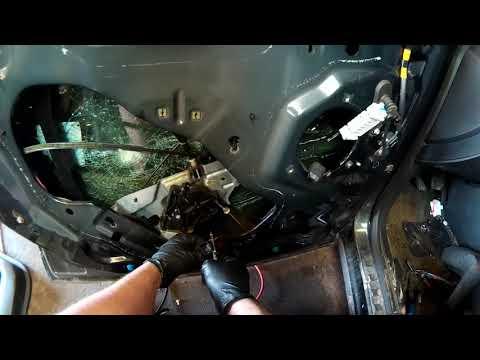





How to Replace the Front Door Lock Actuator on a 2014 Chevy Equinox
Step-by-step DIY guide with tools, parts, torque specs, safety tips, and testing instructions
How to Replace the Front Door Lock Actuator on a 2014 Chevy Equinox
Step-by-step DIY guide with tools, parts, torque specs, safety tips, and testing instructions


🔧 Equinox - Front Door Lock Actuator Replacement
You’ll be removing the interior door panel, taking out the latch/actuator assembly, and installing a new actuator so the power lock works correctly again. The steps are the same for the front left and right doors on your Equinox.
Difficulty Level: Intermediate | Estimated Time: 1.5–2.5 hours per door
⚠️ Safety & Precautions
- ⚠️ Disconnect the negative battery cable before working; the door contains a side airbag and live wiring.
- ⚠️ Support the door panel when it’s loose so you don’t pull or break wiring to switches and the tweeter speaker.
- ⚠️ Keep track of all screws and clips; forcing trim will crack it—always pry gently and evenly.
- ⚠️ Work with the window fully up so you do not catch the glass when removing the latch/actuator.
🔧 Required Tools
You'll need the following tools for this repair:
- 🛠️ 10mm socket
- 🛠️ 8mm socket
- 🛠️ 7mm socket
- 🛠️ 1/4" drive ratchet
- 🛠️ 1/4" drive extension (3–6")
- 🛠️ Torx T30 screwdriver
- 🛠️ Trim removal tool (plastic pry tool)
- 🛠️ Panel clip removal pliers (specialty)
- 🛠️ Small flathead screwdriver
- 🛠️ Pick tool or dental pick
- 🛠️ Needle-nose pliers
- 🛠️ Torque wrench (5–30 Nm range)
- 🛠️ Electrical tape
- 🛠️ Work light or flashlight
- 🛠️ Safety glasses
- 🛠️ Mechanic gloves
🔩 Required Parts
HowToo sells all the parts you need for this repair:
- 🔩 Front door lock actuator with latch assembly (left or right) - Qty: 1
- 🔩 Door panel push clips - Qty: 6–10 (optional, replace broken clips)
- 🔩 Butyl tape or door vapor barrier adhesive - Qty: 1 roll (if original seal is damaged)
- 🔩 White lithium grease (spray or tube) - Qty: 1 (for latch/rods, optional)
📋 Before You Begin
- Park the Equinox on level ground, set the parking brake, and switch ignition OFF.
- Raise the window on the door you’re working on fully up.
- Open that door fully to give yourself space to work.
- Disconnect the negative battery terminal using a 10mm socket and move the cable aside so it cannot touch the battery post.
- Lay a clean towel or cardboard on the ground to rest the door panel on later.
🔨 Step-by-Step Instructions
Follow these steps in order:
Step 1: Remove door handle trim and screw covers
- Use the trim removal tool to gently pry off the trim bezel around the interior door handle (small plastic piece surrounding the handle).
- Use the trim removal tool to pop off the small plastic cover inside the pull handle/armrest recess to expose a screw.
- If there is a small reflector or cap at the lower rear of the panel hiding a screw, gently pry it off with the trim removal tool.
- Work slowly—plastic here gets brittle with age.
Step 2: Remove visible door panel screws
- Use a 7mm socket and ratchet to remove the screws in the armrest/pull handle area.
- Use a 7mm socket to remove the screw behind the interior handle trim you just removed.
- Check along the bottom edge of the door panel for additional 7mm screws and remove any you find.
- Set all screws aside in a small container so you don’t lose them.
Step 3: Release the door panel clips
- Around the edges of the panel there are plastic push clips holding it to the metal door.
- Slide the trim removal tool between the panel and the metal door near a bottom corner and gently pry until you feel the first clip pop.
- Use the panel clip removal pliers where possible to pop the clips without breaking them.
- Work your way around the sides and bottom, releasing all the clips. The top of the panel hooks over the window sill and will still be holding.
Step 4: Lift off the door panel and unplug wiring
- Support the panel with one hand, then lift it straight up to unhook it from the top edge of the door.
- Do not pull it far—there are electrical connectors for the window/lock switch and the small speaker.
- Use a small flathead screwdriver or pick tool to lift the locking tabs on the electrical connectors, then unplug them by hand.
- If the interior handle cable is attached to the panel: use needle-nose pliers to gently unclip the cable housing from its bracket and then unhook the cable end from the handle.
- Set the door panel on your towel or cardboard, face up.
Step 5: Remove the plastic moisture barrier (vapor barrier)
- Behind the panel, you will see a clear or foam plastic sheet stuck to the metal with sticky butyl sealant.
- Gently peel this back using your hands; try not to tear it. If needed, carefully cut the sealant with a trim removal tool.
- Peel it back mainly in the rear area of the door (toward the latch) to expose the latch and linkage. Leave the top and front attached.
- Keep the sticky side clean; dirt reduces sealing later.
Step 6: Disconnect lock rods and cables from interior side
- Look toward the rear of the door to find the metal or plastic rods/cables that go to the outside handle and interior handle.
- Use the pick tool or small flathead screwdriver to flip open the small plastic retainers that hold the rods to the latch/actuator assembly.
- Carefully unhook the rods or cables from the latch levers. Note their positions or take a picture with your phone for reference.
- Unplug the electrical connector from the door lock actuator using the pick tool to release the locking tab if necessary.
Step 7: Remove exterior latch/actuator mounting bolts
- Move to the door edge where the latch hooks onto the body striker.
- You will see 3 Torx-head screws holding the latch/actuator to the door.
- Use a Torx T30 screwdriver (or T30 bit with ratchet) to remove the 3 latch screws from the door edge.
- Set the screws aside; these will be reused.
Step 8: Remove the latch/actuator assembly from the door
- From inside the door, reach around the crash bar and wiring and gently work the latch/actuator assembly out.
- You may need to slightly tilt and rotate the unit to clear the window track and rods. Use your work light to see clearly.
- If the outside handle cable is still attached to the latch, unclip it now with needle-nose pliers and unhook the end.
- Remove the entire latch/actuator unit from the door.
Step 9: Separate the actuator from the latch (if not one piece)
- On many Equinox models, the lock actuator is integrated with the latch; you replace the whole unit. If your replacement is a separate actuator bolted to the latch:
- Use an 8mm socket or Torx T30 screwdriver (depending on your part) to remove the screws securing the actuator to the latch.
- Gently separate the actuator from the latch, noting the gear/lever engagement.
- Install the new actuator onto the old latch in the same orientation, then reinstall the screws and snug them by hand with the appropriate socket or Torx.
- If you have a full latch+actuator assembly, skip this step.
Step 10: Install the new latch/actuator assembly into the door
- Feed the new latch/actuator assembly into the door through the opening, the same way the old one came out.
- Line up the latch with the openings at the door edge so the screw holes align.
- Lightly start all 3 latch screws by hand from the door edge using the Torx T30 screwdriver; do not tighten fully yet.
- Once all three are started, tighten evenly and then torque each screw to 9 Nm (80 in-lbs) using the Torx T30 bit and torque wrench.
Step 11: Reconnect lock rods, cables, and electrical connector
- From inside the door, reattach the outside handle cable or rod to the new latch/actuator in the same location and orientation as before.
- Clip each rod/cable back into its plastic retainer. Use needle-nose pliers if needed, but don’t crush the rods.
- Plug the electrical connector into the new actuator until it clicks.
- Lightly spray white lithium grease on the latch mechanism and rod joints if they looked dry.
Step 12: Temporarily reconnect battery and test function
- Before closing everything up, temporarily reconnect the negative battery cable with the 10mm socket.
- Close (but do not latch) the door or use a screwdriver to simulate the latch being closed.
- Use the key fob and the inside lock switch to lock and unlock the door several times.
- Make sure the inside and outside handles open the door correctly when unlocked, and do not open when it is locked.
- When satisfied, disconnect the negative battery cable again with the 10mm socket before reassembling.
Step 13: Reinstall the vapor barrier
- Press the plastic moisture barrier back into its original position on the sticky butyl seal.
- If the sealant is damaged or not sticky, use butyl tape to reseal any loose sections so the barrier is airtight.
- A good seal helps keep water and dust out.
Step 14: Reinstall the door panel
- Bring the door panel near the door and reconnect all electrical connectors firmly by hand until they click.
- Reconnect the interior handle cable: hook the cable end into the handle, then snap the cable housing back into its bracket using needle-nose pliers if needed.
- Hook the top of the door panel over the window sill first, then swing the bottom in toward the door.
- Align the plastic clips with their holes and press firmly around the edges with your hands to seat them. Use panel clip pliers if a clip is stubborn.
Step 15: Reinstall screws and trim covers
- Reinstall all 7mm screws in the armrest/pull handle, behind the interior handle, and along the bottom using the 7mm socket and ratchet.
- Tighten these screws to about 3 Nm (27 in-lbs) with the torque wrench—just snug, do not over-tighten or you can crack the plastic.
- Reinstall the interior handle trim bezel by snapping it back into place with your hands.
- Reinstall any small plastic caps or reflectors over the screws, pressing them in firmly.
Step 16: Final battery connection and full test
- Reconnect the negative battery terminal using the 10mm socket and tighten to about 6–7 Nm (53–62 in-lbs).
- Turn the ignition ON and test:
- Power lock operation from the driver’s switch.
- Lock/unlock from the key fob.
- Inside and outside handle operation in lock and unlock positions.
- Window switch and mirror switch (if present on that door) function.
- Listen for abnormal noises from the new actuator; operation should be clean and quick.
✅ After Repair
- 🧪 Lock and unlock all doors several times using both the fob and the interior switches.
- 🧪 Take a short drive and check that the door locks work normally with speed locking (if enabled) and when shifting into Park.
- 🧪 Make sure there are no rattles from the door panel; if you hear any, a clip may not be fully seated.
- 🧪 After the first rain or wash, check inside the door bottom seam for any water intrusion—proper vapor barrier sealing should keep the interior dry.
💰 DIY vs Shop Cost
Shop Cost: $250–$400 (parts + labor) per front door
DIY Cost: $60–$150 (parts only) per front door
You Save: $190–$250 by doing it yourself!
Shop labor rates vary but typically run $100–$150/hour. This repair takes a shop approximately 1–1.5 hours per door.
🎯 Ready to get started?
HowToo makes it easy: same-day/2-day shipping on every part, plus all the tools and specialty tools you need! Check out the parts and tools sections above to add everything to your cart.