













How to Replace the Front Door Lock Actuator (Latch) on a 2016 Audi A4
Step-by-step door panel removal, window/regulator access, tools, parts, safety tips, and reassembly checks
How to Replace the Front Door Lock Actuator (Latch) on a 2016 Audi A4
Step-by-step door panel removal, window/regulator access, tools, parts, safety tips, and reassembly checks


🔧 A4 - Front Door Lock Actuator Replacement
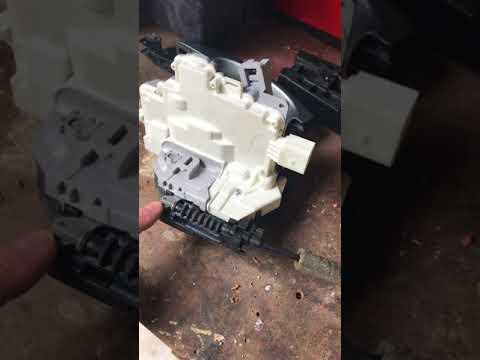
On your A4, the “door lock actuator” is part of the door latch assembly inside the door. Replacing it requires removing the interior door panel, moving the window glass/regulator out of the way, and swapping the latch/actuator unit.
Difficulty Level: Advanced | Estimated Time: 2.0-4.0 hours (one door)
Assumption: B8.5 A4 sedan front door latch/actuator style.
⚠️ Safety & Precautions
- ⚠️ Disconnect the battery negative cable before starting; the front door contains a side airbag and wiring.
- ⚠️ After disconnecting the battery, wait 10 minutes before unplugging door connectors.
- ⚠️ Support the window glass securely; dropping it can shatter it.
- ⚠️ Do not turn the ignition on with door airbag/module unplugged; it can set faults.
- ⚠️ Keep fingers clear of the window regulator (scissor/cable mechanism).
🔧 Required Tools
You'll need the following tools for this repair:
- Safety glasses
- Mechanic gloves
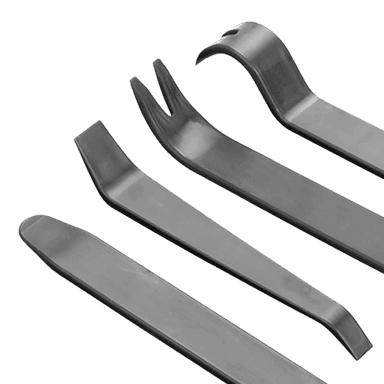
- Trim removal tool set (plastic pry tools)
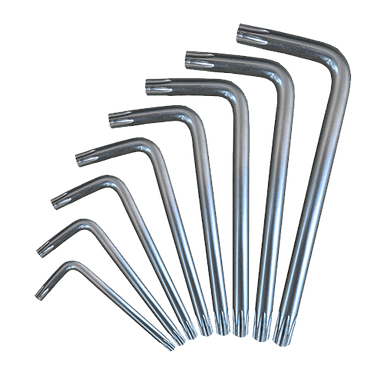
- Torx T20 screwdriver
- Torx T25 screwdriver
- Torx T30 screwdriver
- Torx T45 bit socket
- 10mm socket
- Ratchet (3/8" drive)
- 3" extension (3/8" drive)
- Pick tool
- Small flat-blade screwdriver
- Painter’s tape (1")
- Magnetic parts tray
- Torque wrench (5–60 Nm range)
- Flashlight
🔩 Required Parts
HowToo sells all the parts you need for this repair:
- Front door lock actuator/latch assembly - Qty: 1
- Door panel trim clips - Qty: 6-12
- Butyl sealing rope for vapor barrier - Qty: 1
📋 Before You Begin
- Park on level ground, steering straight, and keep the key away from the car.
- Lower the window about halfway before disconnecting the battery (this helps access the glass clamps later).
- Open the front door you’re working on and keep it fully supported.
- Disconnect the battery negative terminal using a 10mm socket; wait 10 minutes.
- Trim tool = plastic pry tool to prevent scratches.
🔨 Step-by-Step Instructions
Follow these steps in order:
Step 1: Remove the interior door handle/trim pieces
- Use a trim removal tool set (plastic pry tools) to carefully pop off the trim cover at the interior pull handle/armrest area.
- Use a Torx T25 screwdriver to remove the exposed screws behind that trim.
- Use a small flat-blade screwdriver to lift any small screw covers near the door release handle, then remove screws with a Torx T20 screwdriver if present.
Step 2: Remove the door panel
- Work around the lower edge of the panel and release the clips using the trim removal tool set (plastic pry tools).
- Lift the door panel straight upward to unhook it from the top window channel.
- Unplug connectors (window switch, puddle light, etc.) by releasing the locks with a pick tool.
- Disconnect the interior door handle cable: rotate the cable end out of the handle carrier, then unhook the cable ball end.
Step 3: Remove and reseal the vapor barrier (water shield)
- Peel the vapor barrier back slowly by hand; use a trim removal tool set (plastic pry tools) to help separate the butyl adhesive.
- Try not to tear it; you’ll reseal it later using butyl sealing rope.
Step 4: Secure the window glass
- Use painter’s tape (1") to tape the window glass to the door frame (several vertical strips) so it cannot drop.
- Add extra tape—glass is heavy.
Step 5: Move the window regulator to access the glass clamps
- Temporarily reconnect the window switch connector (leave everything else unplugged).
- Reconnect the battery briefly using the 10mm socket and turn ignition ON.
- Use the window switch to position the regulator so the glass clamp bolts line up with the door access holes.
- Turn ignition OFF and disconnect the battery again using the 10mm socket; wait 10 minutes.
Step 6: Release the glass from the regulator
- Through the access holes, loosen (do not fully remove) the glass clamp bolts using a 10mm socket or Torx T30 screwdriver (varies by build).
- Lift the glass fully up by hand and add more painter’s tape (1") to secure it at the top.
- Torque to factory spec when re-tightening glass clamps later.
Step 7: Remove the exterior door handle carrier (as needed for latch removal)
- Open the small round/oval plug on the door edge (near the latch) using a small flat-blade screwdriver.
- Use a Torx T45 bit socket to loosen the handle carrier retaining screw (it stays captured; don’t force it out).
- Slide the handle carrier/cap off, then pull the exterior handle and unhook its cable from the latch module as required for your latch design.
- Don’t scratch paint—use plastic tools.
Step 8: Remove the door latch/actuator assembly
- Unplug the latch electrical connector(s) using a pick tool to release the lock tab.
- Remove the latch mounting screws at the door edge using a Torx T30 screwdriver.
- Work the latch/actuator out through the door opening, guiding the cables/rods out gently by hand.
- Torque to factory spec when reinstalling latch screws.
Step 9: Install the new latch/actuator assembly
- Transfer any cable brackets exactly as they were on the old unit.
- Position the new latch in the door and start the fasteners by hand.
- Tighten latch fasteners using a Torx T30 screwdriver and a torque wrench (5–60 Nm range); Torque to factory spec.
- Reconnect the latch electrical connector(s) until they click.
Step 10: Reinstall the exterior handle carrier
- Reattach the exterior handle cable (if removed) by hand.
- Slide the carrier/cap back into place.
- Tighten the carrier screw using a Torx T45 bit socket; Torque to factory spec.
- Reinstall the door-edge plug using your fingers (press-fit).
Step 11: Reattach the window glass to the regulator
- Remove some painter’s tape (1") so you can lower the glass carefully into the clamps.
- Align the glass in the clamps and tighten the clamp bolts using a 10mm socket or Torx T30 screwdriver (whichever your door has).
- Torque to factory spec.
Step 12: Reseal the vapor barrier
- Press the vapor barrier back into place.
- Add butyl sealing rope anywhere the original seal is damaged or not sticky.
- A poor seal causes water leaks.
Step 13: Reinstall the door panel
- Reconnect all electrical connectors by hand (they should click).
- Reconnect the interior handle cable (hook the cable end, then seat the cable housing).
- Hang the door panel on the top edge first, then press clips in around the perimeter.
- Install screws using a Torx T20 screwdriver / Torx T25 screwdriver as removed; Torque to factory spec.
- Reinstall trim covers using the trim removal tool set (plastic pry tools) to press evenly.
Step 14: Reconnect battery
- Reconnect the battery negative terminal using a 10mm socket; Torque to factory spec.
✅ After Repair
- Test the lock with the key fob and the interior lock switch on that door.
- Test exterior handle open, interior handle open, and child safety lock operation (rear doors only, if applicable).
- Initialize one-touch windows: close the window fully, hold the switch up for 3 seconds; then open fully and hold down for 3 seconds.
- If an airbag light appears, the car may store a fault—clear it with a compatible scan tool.
- Check for water leaks after the next car wash/rain (vapor barrier seal).
💰 DIY vs Shop Cost
Shop Cost: $450-$900 (parts + labor)
DIY Cost: $120-$350 (parts only)
You Save: $330-$550 by doing it yourself!
Shop labor rates vary but typically run $100-$150/hour. This repair takes a shop approximately 2-4 hours.
🎯 Ready to get started?
HowToo makes it easy: same-day/2-day shipping on every part, plus all the tools and specialty tools you need! Check out the parts and tools sections below to add everything to your cart.