













How to Replace the Front Door Lock Actuator (Latch Assembly) on a 2016 Buick Envision
Step-by-step door panel removal, linkage disconnect, latch swap, tools/parts list, and 8 Nm torque spec for 2016, 2017
How to Replace the Front Door Lock Actuator (Latch Assembly) on a 2016 Buick Envision
Step-by-step door panel removal, linkage disconnect, latch swap, tools/parts list, and 8 Nm torque spec for 2016, 2017


🔧 Envision - Front Door Lock Actuator Replacement
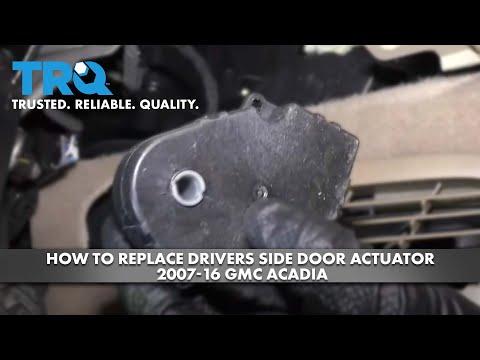
On your Envision, the front door lock actuator is typically built into the door latch assembly. Replacement involves removing the interior door trim panel, peeling back the water shield, disconnecting link rods and electrical connectors, then swapping the latch/actuator unit.
Difficulty Level: Intermediate | Estimated Time: 1.5-3.0 hours
Assumption: actuator is integrated with the latch assembly.
⚠️ Safety & Precautions
- ⚠️ Disconnect the 12V battery before working in the door; many doors have a side airbag and wiring.
- ⚠️ Support the window glass if you loosen any window hardware; glass can drop suddenly.
- ⚠️ Use trim tools, not screwdrivers, to reduce panel/clip damage.
- ⚠️ Keep the water shield (vapor barrier) sealed; leaks can damage electronics. (The water shield is the plastic sheet behind the door panel.)
🔧 Required Tools
You'll need the following tools for this repair:
- Safety glasses
- Mechanic gloves
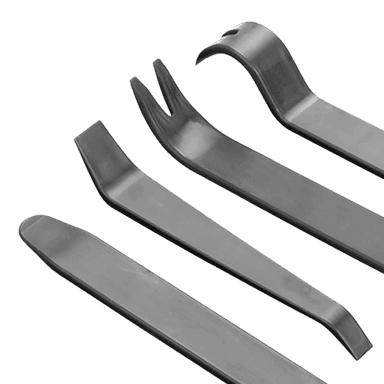
- Trim removal tool set
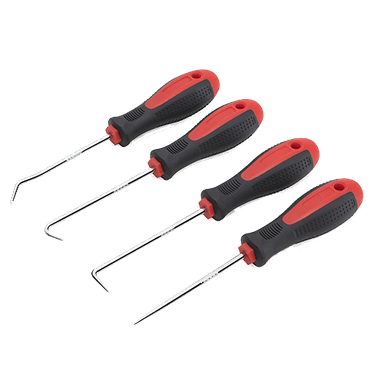
- Small pick tool
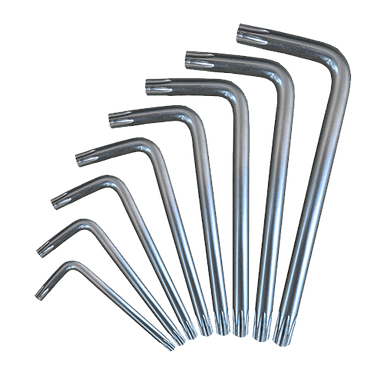
- Torx T20 driver
- Torx T30 driver
- 7mm socket
- 10mm socket
- 1/4" ratchet
- 3" extension for 1/4" ratchet
- Needle-nose pliers
- Painter’s tape
- Torque wrench (inch-pound or small Nm range) (specialty)
- Flashlight
🔩 Required Parts
HowToo sells all the parts you need for this repair:
- Front door latch with integrated lock actuator - Qty: 1
- Door trim panel clips - Qty: 1 set
- Butyl tape (water shield adhesive) - Qty: 1
📋 Before You Begin
- Park on level ground, shift to Park, and remove the key/fob from the vehicle.
- Lower the window about halfway (this helps access fasteners and reduces risk of binding).
- Disconnect the negative battery cable using a 10mm socket and 1/4" ratchet.
- Apply painter’s tape along the door edge and around the interior handle area to prevent scratches.
🔨 Step-by-Step Instructions
Follow these steps in order:
Step 1: Remove the interior door trim panel
- Use a trim removal tool set to gently pry off the small trim covers at the pull handle and near the interior door handle (work slowly).
- Remove exposed screws using a 7mm socket and 1/4" ratchet or a Torx T20 driver (screw type varies by location).
- Starting at the bottom edge, pop the panel clips free using the trim removal tool set.
- Lift the panel straight up and off the window ledge.
- Disconnect the electrical connectors (window/lock switch) using a small pick tool to release locking tabs if needed.
- Tip: Pull near each clip to avoid bending.
Step 2: Remove the interior handle cable/rod from the panel
- If equipped with a cable, unclip the cable housing from the handle bracket using needle-nose pliers, then lift the cable end out of the handle.
- If equipped with a metal rod, rotate the plastic retainer open with a small pick tool and lift the rod out.
- Tip: Take a photo before disconnecting.
Step 3: Peel back the water shield (vapor barrier)
- Use the trim removal tool set to start an edge, then peel it back by hand.
- If the adhesive fights you, work slowly and use a flashlight to avoid tearing the sheet.
- Plan to reseal it later with butyl tape if the adhesive no longer sticks well.
Step 4: Disconnect the latch/actuator electrical connector
- Locate the latch at the rear edge of the door (near the striker area).
- Unplug the latch/actuator connector by releasing the lock tab using a small pick tool, then pull the connector straight off.
Step 5: Disconnect the lock and handle linkages from the latch
- Follow the rods/cables to the latch.
- Open each plastic retainer with a small pick tool, then lift the rod out.
- For a cable, unclip the cable housing from the latch bracket using needle-nose pliers, then remove the cable end.
- Tip: Don’t force retainers; they snap easily.
Step 6: Remove the latch/actuator assembly
- At the rear edge of the door, remove the latch fasteners using a Torx T30 driver.
- Carefully maneuver the latch out through the access opening. Use a flashlight to guide it past the window track.
- If it won’t clear, reposition the latch and rods; avoid bending rods.
Step 7: Install the new latch/actuator assembly
- Place the new latch into position through the access opening.
- Start the rear-edge fasteners by hand, then tighten with a Torx T30 driver.
- Torque to 8 Nm (71 in-lbs) using a torque wrench (inch-pound or small Nm range) (specialty).
- Reconnect all rods/cables, ensuring each retainer fully snaps closed.
- Reconnect the electrical connector until it clicks.
Step 8: Quick function check (before reassembly)
- Reconnect the negative battery cable using a 10mm socket and 1/4" ratchet.
- Test lock/unlock with the switch and remote. Test inside handle and outside handle operation.
- Disconnect the battery again with the 10mm socket before reinstalling the water shield and panel.
- Tip: Fix issues now—panel off is easier.
Step 9: Reseal the water shield
- Press the water shield back into place by hand.
- If needed, apply butyl tape along the perimeter, then press firmly to seal.
Step 10: Reinstall the door trim panel
- Reconnect all electrical connectors (use a flashlight to confirm full seating).
- Reconnect the interior handle rod/cable using needle-nose pliers if needed.
- Hang the panel on the window ledge and press downward to seat it.
- Press the clips in around the edges using palm pressure (or a trim removal tool set to align stubborn clips).
- Reinstall screws using a 7mm socket and 1/4" ratchet or Torx T20 driver.
- Snap trim covers back on by hand.
Step 11: Final battery reconnect
- Reconnect the negative battery cable using a 10mm socket and 1/4" ratchet.
✅ After Repair
- Cycle the lock 10+ times from the switch and remote; confirm smooth operation and no sticking.
- Confirm the door opens from inside and outside, and the keyless entry (if equipped) works at that door.
- Verify the window and mirror controls work (if they were unplugged).
- Listen for rattles on a short drive; a missed clip is common.
💰 DIY vs Shop Cost
Shop Cost: $350-$650 (parts + labor)
DIY Cost: $120-$280 (parts only)
You Save: $230-$370 by doing it yourself!
Shop labor rates vary but typically run $100-$150/hour. This repair takes a shop approximately 1.5-3.0 hours.
🎯 Ready to get started?
HowToo makes it easy: same-day/2-day shipping on every part, plus all the tools and specialty tools you need! Check out the parts and tools sections below to add everything to your cart.