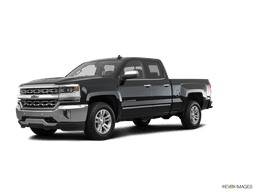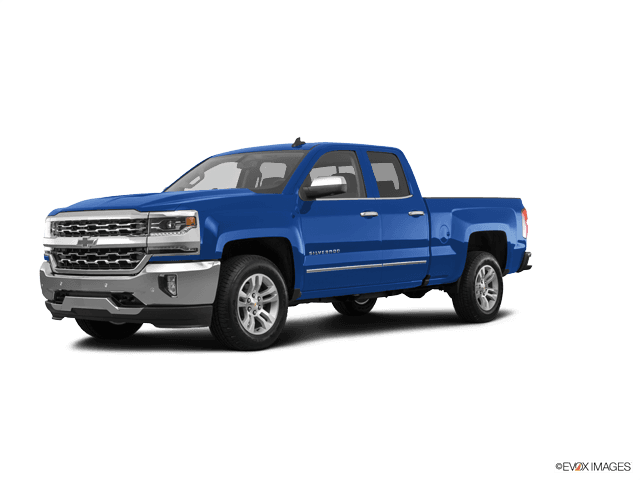









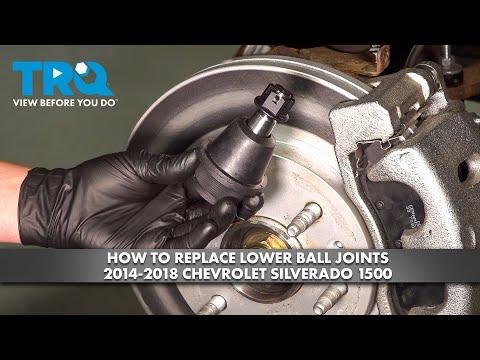







How to Replace the Front Ball Joints on a 2014-2018 Chevrolet Silverado 1500
Step-by-step repair guide with tools, parts, torque specs, safety tips, and alignment advice
How to Replace the Front Ball Joints on a 2014-2018 Chevrolet Silverado 1500
Step-by-step repair guide with tools, parts, torque specs, safety tips, and alignment advice for 2014, 2015, 2016, 2017, 2018


🔧 Ball Joints - Front Suspension Replacement
Assumption: This guide covers the front ball joints on your Silverado and assumes the joints are being replaced separately from the control arms.
Ball joints connect the steering knuckle to the control arms and let the front wheels turn and move with the suspension. On your Silverado, this is a safety-critical repair, so work slowly and torque everything correctly.
Difficulty Level: Advanced | Estimated Time: 4-7 hours
⚠️ Safety & Precautions
- Support the truck with jack stands; never work under a vehicle held only by a jack.
- The front suspension is under heavy spring and control arm load. Keep hands clear when separating joints.
- Use a ball joint separator or pickle fork carefully. Sudden release can pinch fingers.
- If the front axle shaft or hub is removed, do not let the CV axle hang unsupported.
- After repair, the truck will need a front-end alignment.
🔧 Required Tools
You'll need the following tools for this repair:
- Floor jack (rated 3-ton minimum)
- Jack stands (rated 3-ton minimum)
- Wheel chocks
- Safety glasses
- Mechanic gloves
- Torque wrench
- 1/2-inch drive ratchet
- Socket set with metric sizes
- Wrench set with metric sizes
- Ball joint separator (specialty)
- Ball joint press kit (specialty)
- Hammer
- Penetrating oil
- Bolt/clip pliers
- Cotter pin puller or needle-nose pliers
- Brake cleaner
- Paint marker
🔩 Required Parts
HowToo sells all the parts you need for this repair:
- Front upper ball joint - Qty: 2
- Front lower ball joint - Qty: 2
- Ball joint hardware kit - Qty: 1
- Cotter pins - Qty: 1 set
- Front wheel bearing/hub nut (if removed) - Qty: 2
- Alignment service - Qty: 1
📋 Before You Begin
- Park on level ground and set the parking brake.
- Place wheel chocks behind the rear wheels.
- Loosen the front lug nuts slightly before lifting the truck.
- Raise the front and support both sides securely with jack stands.
- Turn the steering wheel so you have room to work on the side you are replacing.
- Spray the ball joint fasteners with penetrating oil and let them soak.
🔨 Step-by-Step Instructions
Follow these steps in order:
Step 1: Remove the wheel
- Use a lug wrench or 21mm socket to remove the wheel nuts.
- Take the front wheel off and set it aside.
Step 2: Access the ball joint area
- Use the correct socket set and wrench set to remove any components blocking access, such as the brake caliper bracket if needed for room.
- Hang brake components with a support strap if removed. Do not let the brake hose stretch.
Step 3: Separate the steering knuckle
- Use a cotter pin puller or needle-nose pliers to remove the cotter pin from the ball joint stud.
- Remove the castle nut with the correct socket or wrench.
- Use a ball joint separator to break the taper loose from the knuckle.
- If needed, lightly tap the knuckle with a hammer to help release it. Do not hit the stud directly.
Step 4: Remove the ball joint from the control arm
- Use the correct socket or wrench to remove the ball joint fasteners.
- If the ball joint is pressed in, use the ball joint press kit to press it out of the control arm.
- Clean the mounting area with brake cleaner.
Step 5: Install the new ball joint
- Position the new ball joint in the control arm by hand first.
- Use the ball joint press kit if it is a press-in style joint.
- Install and tighten the fasteners with a torque wrench.
- Tighten to the factory torque specification for your joint and fasteners. If your replacement kit includes a spec sheet, follow that exactly.
Step 6: Reconnect the knuckle
- Align the stud with the steering knuckle and raise or lower the control arm as needed with the floor jack.
- Install the castle nut with the correct socket or wrench.
- Torque to the factory specification, then continue tightening only enough to line up the cotter pin hole.
- Install a new cotter pin with needle-nose pliers.
Step 7: Reassemble the front end
- Reinstall any parts removed for access using the proper socket set and torque wrench.
- Reinstall the wheel.
- Lower the truck and torque the lug nuts with a torque wrench.
- Torque the wheel nuts to the factory lug nut specification.
✅ After Repair
- Check that the steering turns freely and nothing binds.
- Inspect for loose hardware or torn dust boots.
- Test drive slowly and listen for clunks or pops.
- Get a front-end alignment as soon as possible.
- Recheck lug nut torque after the test drive.
💰 DIY vs Shop Cost
Shop Cost: $500-$1,200 (parts + labor)
DIY Cost: $120-$350 (parts only)
You Save: $380-$850 by doing it yourself!
Shop labor rates vary but typically run $100-$150/hour. This repair takes a shop approximately 4-7 hours.
🎯 Ready to get started?
HowToo makes it easy: same-day/2-day shipping on every part, plus all the tools and specialty tools you need! Check out the parts and tools sections below to add everything to your cart.