









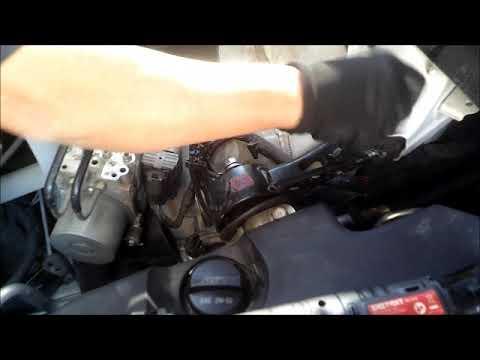






How to Replace the Engine Mounts on a 2016 Toyota Highlander
Step-by-step instructions with tools, parts, safety tips, and torque specs for 2009, 2010, 2011, 2012, 2013, 2014, 2015, 2016, 2017, 2018, 2019
How to Replace the Engine Mounts on a 2016 Toyota Highlander
Step-by-step instructions with tools, parts, safety tips, and torque specs for 2009, 2010, 2011, 2012, 2013, 2014, 2015, 2016, 2017, 2018, 2019


🔧 Engine Mounts - Replacement
The Highlander’s engine mounts hold the engine in place and absorb vibration. If one is torn or collapsed, you can get clunks, excess vibration, or a rocking engine under load. This job requires supporting the engine while each mount is removed, so take your time and only replace one mount at a time if you can.
Difficulty Level: Advanced | Estimated Time: 4-8 hours
⚠️ Safety & Precautions
- Support the engine before removing any mount. Never let the engine hang on a jack alone.
- Use a wood block between the jack and engine to prevent damage.
- Keep hands clear while raising or lowering the engine.
- Disconnect the negative battery cable before starting if you’ll be working near the starter, wiring, or engine harnesses.
- Work on a cool engine only.
- Use jack stands if the vehicle must be raised.
🔧 Required Tools
You'll need the following tools for this repair:
- Floor jack (rated 3-ton minimum)
- Jack stands (rated 3-ton minimum)
- Wood block
- Ratchet
- 10mm socket
- 12mm socket
- 14mm socket
- 17mm socket
- 19mm socket
- Socket extension set
- Breaker bar
- Torque wrench
- Trim clip tool
- Safety glasses
- Mechanic gloves
🔩 Required Parts
HowToo sells all the parts you need for this repair:
- Engine mount - Qty: 1 per mount being replaced
- Mount-to-engine bolts - Qty: 1 set if required
- Mount-to-frame bolts - Qty: 1 set if required
- Exhaust heat shield fasteners - Qty: 1 set if removed
📋 Before You Begin
- Park on a level surface and set the parking brake.
- Let the engine cool completely.
- If replacing more than one mount, do them one at a time.
- Raise the vehicle only if needed for lower mount access.
- Support the engine with a floor jack and wood block before loosening mount bolts.
🔨 Step-by-Step Instructions
Follow these steps in order:
Step 1: Access the mount area
- Use a 10mm socket or 12mm socket to remove any plastic engine covers or undercovers blocking access.
- If needed, remove the intake ducting with a flat trim tool and ratchet.
- Label bolts as you remove them.
Step 2: Support the engine
- Place a floor jack under the engine with a wood block between the jack and the oil pan area.
- Raise the jack just enough to support the engine’s weight.
- Do not lift the engine high. Just remove the load from the mount.
Step 3: Remove the mount fasteners
- Use the correct 12mm socket, 14mm socket, or 17mm socket depending on the mount location.
- Remove the mount-to-body bolts first, then the mount-to-engine bracket bolts.
- If the bolts are tight, use a breaker bar.
- Keep slight pressure on the jack so the engine does not shift.
Step 4: Remove the old mount
- Work the mount out by hand once the bolts are removed.
- If the mount is stuck, raise or lower the engine slightly with the floor jack to create clearance.
- Inspect the bracket surfaces for cracks or torn rubber.
Step 5: Install the new mount
- Position the new mount in the same orientation as the old one.
- Start all bolts by hand first using a ratchet with the proper socket.
- Do not fully tighten bolts yet if the engine needs to be moved to line up the holes.
- Hand-start every bolt first.
Step 6: Tighten and torque the mount
- Lower or raise the engine slightly with the floor jack until the mount sits naturally without strain.
- Tighten the mount bolts with a torque wrench.
- Torque to 52 Nm (38 ft-lbs) for most mount-to-body fasteners on this platform, and torque to 64 Nm (47 ft-lbs) where a larger bracket bolt is used.
- If your removed bolts had factory threadlocker, replace them with new bolts if the service position calls for it.
Step 7: Reassemble removed components
- Reinstall any intake tubes, covers, heat shields, or splash shields with the ratchet and correct socket.
- Use the 10mm socket for most covers and the 12mm socket for brackets.
- Make sure nothing is pinched near the mount area.
Step 8: Final check
- Remove the jack from under the engine.
- Start the engine and watch for excessive movement.
- Shift from Park to Reverse and Drive with your foot on the brake to check for clunks or vibration.
✅ After Repair
- Test drive at low speed and listen for any new noises.
- Recheck all mount bolts after the first drive if access allows.
- If vibration remains, inspect the other mounts and the transmission mount.
💰 DIY vs Shop Cost
Shop Cost: $650-$1,500 (parts + labor)
DIY Cost: $120-$450 (parts only)
You Save: $530-$1,050 by doing it yourself!
Shop labor rates vary but typically run $100-$150/hour. This repair takes a shop approximately 4-8 hours.
🎯 Ready to get started?
HowToo makes it easy: same-day/2-day shipping on every part, plus all the tools and specialty tools you need! Check out the parts and tools sections below to add everything to your cart.