









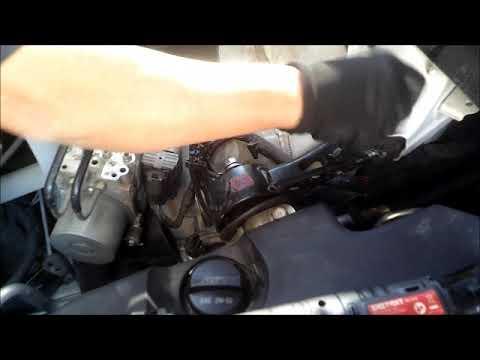






How to Replace the Engine Mounts on a 2009-2019 Toyota Highlander (Trim: LE | Engine: Inline 4 2.7L)
Step-by-step instructions with tools, parts, safety tips, and torque specs
How to Replace the Engine Mounts on a 2009-2019 Toyota Highlander (Trim: LE | Engine: Inline 4 2.7L)
Step-by-step instructions with tools, parts, safety tips, and torque specs for 2009, 2010, 2011, 2012, 2013, 2014, 2015, 2016, 2017, 2018, 2019


🔧 Engine Mounts - Replacement
The Highlander’s engine mounts hold the engine in place and absorb vibration. If one is torn or collapsed, you can get clunks, excess vibration, or a rocking engine under load. This job requires supporting the engine while each mount is removed, so take your time and only replace one mount at a time if you can.
Difficulty Level: Advanced | Estimated Time: 4-8 hours
⚠️ Safety & Precautions
- Support the engine before removing any mount. Never let the engine hang on a jack alone.
- Use a wood block between the jack and engine to prevent damage.
- Keep hands clear while raising or lowering the engine.
- Disconnect the negative battery cable before starting if you’ll be working near the starter, wiring, or engine harnesses.
- Work on a cool engine only.
- Use jack stands if the vehicle must be raised.
🔧 Required Tools
You'll need the following tools for this repair:
- Floor jack (rated 3-ton minimum)
- Jack stands (rated 3-ton minimum)
- Wood block
- Ratchet
- 10mm socket
- 12mm socket
- 14mm socket
- 17mm socket
- 19mm socket
- Socket extension set
- Breaker bar
- Torque wrench
- Trim clip tool
- Safety glasses
- Mechanic gloves
🔩 Required Parts
HowToo sells all the parts you need for this repair:
- Engine mount - Qty: 1 per mount being replaced
- Mount-to-engine bolts - Qty: 1 set if required
- Mount-to-frame bolts - Qty: 1 set if required
- Exhaust heat shield fasteners - Qty: 1 set if removed
📋 Before You Begin
- Park on a level surface and set the parking brake.
- Let the engine cool completely.
- If replacing more than one mount, do them one at a time.
- Raise the vehicle only if needed for lower mount access.
- Support the engine with a floor jack and wood block before loosening mount bolts.
🔨 Step-by-Step Instructions
Follow these steps in order:
Step 1: Access the mount area
- Use a 10mm socket or 12mm socket to remove any plastic engine covers or undercovers blocking access.
- If needed, remove the intake ducting with a flat trim tool and ratchet.
- Label bolts as you remove them.
Step 2: Support the engine
- Place a floor jack under the engine with a wood block between the jack and the oil pan area.
- Raise the jack just enough to support the engine’s weight.
- Do not lift the engine high. Just remove the load from the mount.
Step 3: Remove the mount fasteners
- Use the correct 12mm socket, 14mm socket, or 17mm socket depending on the mount location.
- Remove the mount-to-body bolts first, then the mount-to-engine bracket bolts.
- If the bolts are tight, use a breaker bar.
- Keep slight pressure on the jack so the engine does not shift.
Step 4: Remove the old mount
- Work the mount out by hand once the bolts are removed.
- If the mount is stuck, raise or lower the engine slightly with the floor jack to create clearance.
- Inspect the bracket surfaces for cracks or torn rubber.
Step 5: Install the new mount
- Position the new mount in the same orientation as the old one.
- Start all bolts by hand first using a ratchet with the proper socket.
- Do not fully tighten bolts yet if the engine needs to be moved to line up the holes.
- Hand-start every bolt first.
Step 6: Tighten and torque the mount
- Lower or raise the engine slightly with the floor jack until the mount sits naturally without strain.
- Tighten the mount bolts with a torque wrench.
- Torque to 52 Nm (38 ft-lbs) for most mount-to-body fasteners on this platform, and torque to 64 Nm (47 ft-lbs) where a larger bracket bolt is used.
- If your removed bolts had factory threadlocker, replace them with new bolts if the service position calls for it.
Step 7: Reassemble removed components
- Reinstall any intake tubes, covers, heat shields, or splash shields with the ratchet and correct socket.
- Use the 10mm socket for most covers and the 12mm socket for brackets.
- Make sure nothing is pinched near the mount area.
Step 8: Final check
- Remove the jack from under the engine.
- Start the engine and watch for excessive movement.
- Shift from Park to Reverse and Drive with your foot on the brake to check for clunks or vibration.
✅ After Repair
- Test drive at low speed and listen for any new noises.
- Recheck all mount bolts after the first drive if access allows.
- If vibration remains, inspect the other mounts and the transmission mount.
💰 DIY vs Shop Cost
Shop Cost: $650-$1,500 (parts + labor)
DIY Cost: $120-$450 (parts only)
You Save: $530-$1,050 by doing it yourself!
Shop labor rates vary but typically run $100-$150/hour. This repair takes a shop approximately 4-8 hours.
🎯 Ready to get started?
HowToo makes it easy: same-day/2-day shipping on every part, plus all the tools and specialty tools you need! Check out the parts and tools sections below to add everything to your cart.
Guide for Transmission Mount replace for these Toyota vehicles
| Year Make Model | Sub Model | Engine | Body Style |
|---|---|---|---|
| 2019 Toyota Highlander | Limited | V6 3.5L | - |
| 2019 Toyota Highlander | SE | V6 3.5L | - |
| 2019 Toyota Highlander | LE | Inline 4 2.7L | - |
| 2019 Toyota Highlander | LE | V6 3.5L | - |
| 2019 Toyota Highlander | LE Plus | V6 3.5L | - |
| 2019 Toyota Highlander | XLE | V6 3.5L | - |
| 2019 Toyota Highlander | Limited Platinum | V6 3.5L | - |
| 2018 Toyota Highlander | Limited | V6 3.5L | - |
| 2018 Toyota Highlander | SE | V6 3.5L | - |
| 2018 Toyota Highlander | LE | Inline 4 2.7L | - |
| 2018 Toyota Highlander | LE | V6 3.5L | - |
| 2018 Toyota Highlander | LE Plus | V6 3.5L | - |
| 2018 Toyota Highlander | XLE | V6 3.5L | - |
| 2017 Toyota Highlander | Limited | V6 3.5L | - |
| 2017 Toyota Highlander | SE | V6 3.5L | - |
| 2017 Toyota Highlander | LE | Inline 4 2.7L | - |
| 2017 Toyota Highlander | LE | V6 3.5L | - |
| 2017 Toyota Highlander | LE Plus | V6 3.5L | - |
| 2017 Toyota Highlander | XLE | V6 3.5L | - |
| 2016 Toyota Highlander | Limited | V6 3.5L | - |
| 2016 Toyota Highlander | LE | Inline 4 2.7L | - |
| 2016 Toyota Highlander | LE | V6 3.5L | - |
| 2016 Toyota Highlander | LE Plus | V6 3.5L | - |
| 2016 Toyota Highlander | XLE | V6 3.5L | - |
| 2015 Toyota Highlander | Limited | V6 3.5L | - |
| 2015 Toyota Highlander | LE | Inline 4 2.7L | - |
| 2015 Toyota Highlander | LE | V6 3.5L | - |
| 2015 Toyota Highlander | LE Plus | V6 3.5L | - |
| 2015 Toyota Highlander | XLE | V6 3.5L | - |
| 2014 Toyota Highlander | Limited | V6 3.5L | - |
| 2014 Toyota Highlander | LE | Inline 4 2.7L | - |
| 2014 Toyota Highlander | LE | V6 3.5L | - |
| 2014 Toyota Highlander | LE Plus | V6 3.5L | - |
| 2014 Toyota Highlander | XLE | V6 3.5L | - |
| 2013 Toyota Highlander | Limited | V6 3.5L | - |
| 2013 Toyota Highlander | SE | V6 3.5L | - |
| 2012 Toyota Highlander | Limited | V6 3.5L | - |
| 2012 Toyota Highlander | SE | V6 3.5L | - |
| 2012 Toyota Highlander | SE | Inline 4 2.7L | - |
| 2011 Toyota Highlander | Limited | V6 3.5L | - |
| 2011 Toyota Highlander | SE | V6 3.5L | - |
| 2011 Toyota Highlander | SE | Inline 4 2.7L | - |
| 2010 Toyota Highlander | Limited | V6 3.5L | - |
| 2010 Toyota Highlander | SE | V6 3.5L | - |
| 2009 Toyota Highlander | Limited | V6 3.5L | - |