









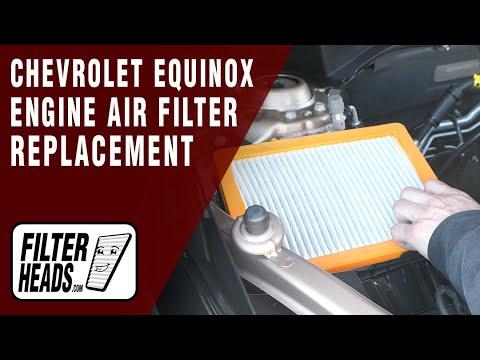





How to Replace the Engine Air Filter on a 2019 Chevrolet Equinox
Step-by-step DIY engine air filter change with tools, parts list, torque specs, and safety tips
How to Replace the Engine Air Filter on a 2019 Chevrolet Equinox
Step-by-step DIY engine air filter change with tools, parts list, torque specs, and safety tips


🔧 Equinox - Engine Air Filter Replacement
You’ll be replacing the engine air filter in your Equinox to ensure the engine gets clean air and can run efficiently. A dirty filter can cause poor fuel economy, sluggish performance, and more soot buildup in a diesel.
Difficulty Level: Beginner | Estimated Time: 20-30 minutes
⚠️ Safety & Precautions
- 🛑 Work with the engine completely off and the key out of the ignition.
- 🧯 Let the engine cool down so you don’t touch hot components around the air box.
- 🪫 Battery disconnection is not required for this job.
- 🧤 Keep loose clothing, jewelry, and long hair away from belts and fans.
🔧 Required Tools
You'll need the following tools for this repair:
- 🧰 8mm socket
- 🧰 1/4" ratchet
- 🧰 3" socket extension
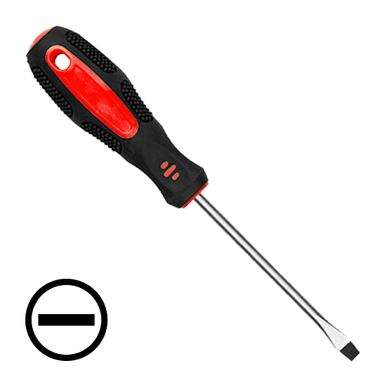
- 🧰 Flathead screwdriver (5-6mm tip)
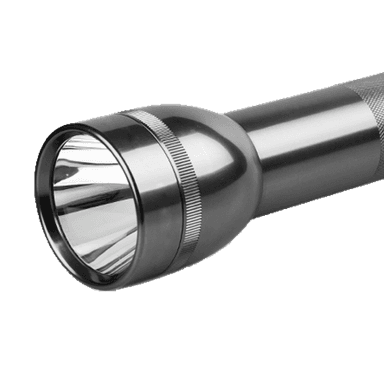
- 🧰 Work light or flashlight
- 🧤 Mechanic gloves
- 😎 Safety glasses
🔩 Required Parts
HowToo sells all the parts you need for this repair:
- 🧩 Engine air filter (1.6L diesel) - Qty: 1
- 🧴 Shop towel or microfiber cloth - Qty: 1-2
📋 Before You Begin
- 🚗 Park your Equinox on level ground, select Park, and set the parking brake.
- 🔑 Turn the ignition off completely and remove the key or fob from the vehicle.
- 💡 Open the hood using the interior hood release, then lift the hood and secure it with the hood prop rod.
🔨 Step-by-Step Instructions
Follow these steps in order:
Step 1: Locate the engine air filter box
- 🧰 Stand at the front of the vehicle and look slightly to the left (driver side) of the engine bay.
- 🧰 Find the black plastic box with a large air hose (intake duct) attached to it; this is the air filter housing.
- 🧰 Make sure you can see the housing cover and the screws along its edges.
Step 2: Clear access around the air box
- 🧰 Move any loose items (rags, tools) away from the area so you have space to work.
- 🧰 If there are small wire clips or a harness clipped to the air box, gently pop them out by hand or with the flathead screwdriver so they don’t pull tight.
- Don’t pull hard on any wires
Step 3: Loosen the intake hose clamp
- 🧰 Locate the metal clamp where the big rubber intake hose connects to the air box cover.
- 🧰 Use the 8mm socket and 1/4" ratchet to turn the clamp screw counterclockwise until the hose feels loose on the plastic neck.
- 🧰 If you prefer, you can use the flathead screwdriver instead of the 8mm socket on the clamp screw.
- Do not remove the clamp screw completely
Step 4: Remove the air box cover screws
- 🧰 Find the screws along the top and sides of the air box cover (usually 4–6 screws).
- 🧰 Use the 8mm socket, 3" extension, and 1/4" ratchet to remove each screw by turning counterclockwise.
- 🧰 Keep the screws in a small container or pocket so they don’t fall into the engine bay.
- Check all edges so no screw is missed
Step 5: Lift and tilt the air box cover
- 🧰 Gently pull the loosened intake hose off the air box cover neck using your hands.
- 🧰 Carefully lift the air box cover straight up; you may need to wiggle it to free plastic locating tabs.
- 🧰 Tilt the cover toward the front or side to expose the filter inside; do not yank if a sensor plug or hose is attached.
- If a sensor is attached, just set the cover nearby carefully
Step 6: Remove the old air filter
- 🧰 Note how the old filter is positioned (which side faces up and which edge sits in the housing groove).
- 🧰 Grab the filter by its plastic or rubber frame and lift it straight up and out of the housing.
- 🧰 Inspect the bottom of the air box for leaves, dust, or debris.
Step 7: Clean the air box
- 🧰 Use a shop towel or microfiber cloth to wipe out any loose dirt and debris from the bottom and sides of the air box.
- 🧰 Do not use water or cleaners inside the air box.
- 🧰 Make sure no pieces of debris or cloth fibers are left behind.
- Cleaning helps the new filter last longer
Step 8: Install the new engine air filter
- 🧰 Take the new filter and match its shape to the housing so it sits the same way as the old one.
- 🧰 Place the filter into the air box, making sure the rubber or foam sealing edge sits flat all the way around.
- 🧰 Press gently around the edges with your fingers to confirm it is fully seated and not tilted.
- The cover should sit flat without forcing it
Step 9: Reinstall the air box cover
- 🧰 Position the air box cover back over the new filter, lining up any plastic locating tabs at the rear or sides of the housing first.
- 🧰 Lower the cover straight down so the edges meet evenly and there are no gaps.
- 🧰 Slide the intake hose back onto the plastic neck of the cover.
Step 10: Reinstall and tighten the air box screws
- 🧰 Start all the screws by hand to avoid cross-threading (going in crooked).
- 🧰 Use the 8mm socket, 3" extension, and 1/4" ratchet to tighten each screw evenly by turning clockwise.
- 🧰 Snug the screws; do not overtighten, as the cover is plastic. Typical spec for these small screws is about Torque to 3–4 Nm (27–35 in-lbs).
- Stop when the screw just stops and feels firm
Step 11: Tighten the intake hose clamp
- 🧰 Make sure the intake hose is fully seated over the plastic neck on the air box cover.
- 🧰 Use the 8mm socket or flathead screwdriver to tighten the hose clamp screw clockwise until the hose is snug and cannot rotate by hand.
- 🧰 Typical clamp tightness is about Torque to 3–4 Nm (27–35 in-lbs), but “firm, not crushing” is the goal.
- A loose clamp can cause air leaks and check-engine lights
Step 12: Reattach any clips or wires and final check
- 🧰 If you unclipped any wiring harnesses from the air box, push them back into their clips by hand.
- 🧰 Visually inspect the air box all around: no gaps, all screws installed, hose fully on and clamp tight.
- 🧰 Remove tools and rags from the engine bay.
✅ After Repair
- 🔑 Start the engine and let it idle for a minute; listen for any unusual hissing sounds around the air box that could indicate an air leak.
- 🚗 Take a short test drive; you may notice smoother acceleration and slightly better throttle response.
- 📅 Plan to check or replace the engine air filter regularly (often every 20,000–30,000 km, or sooner in dusty conditions like many parts of Haryana).
💰 DIY vs Shop Cost
Shop Cost: $70–$120 (parts + labor)
DIY Cost: $15–$40 (parts only)
You Save: $30–$80 by doing it yourself!
Shop labor rates vary but typically run $100–$150/hour. This repair takes a shop approximately 0.3–0.5 hours.
🎯 Ready to get started?
HowToo makes it easy: same-day/2-day shipping on every part, plus all the tools and specialty tools you need! Check out the parts and tools sections above to add everything to your cart.