









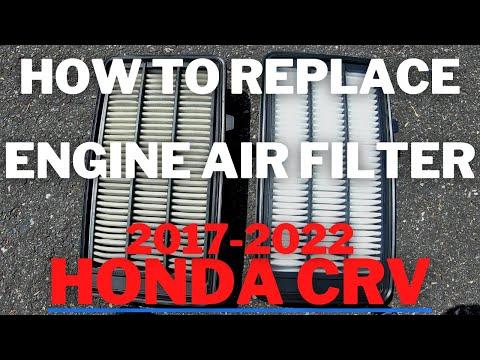





How to Replace the Engine Air Filter on a 2017-2022 Honda CR‑V 1.5L (Engine: Inline 4 1.5L)
Step-by-step DIY engine air filter change with tools, parts list, safety tips, and cost savings
How to Replace the Engine Air Filter on a 2017-2022 Honda CR‑V 1.5L (Engine: Inline 4 1.5L)
Step-by-step DIY engine air filter change with tools, parts list, safety tips, and cost savings for 2017, 2018, 2019, 2020, 2021, 2022


🔧 CR-V - Engine Air Filter Replacement
You’ll be replacing the engine air filter in your CR-V’s air box under the hood. This helps your engine breathe clean air, improve performance, and can slightly help fuel economy.
Difficulty Level: Beginner | Estimated Time: 15–30 minutes
⚠️ Safety & Precautions
- 🛑 Make sure the engine is off and the key is out of the vehicle.
- 🔥 Let the engine cool for at least 15 minutes to avoid hot parts.
- 🔋 Avoid touching battery terminals and electrical connectors near the air box.
- 🧤 Keep fingers clear of moving parts like the radiator fan; it can start if the car is switched on.
- ⚡ Battery disconnect is not required for this job.
🔧 Required Tools
You'll need the following tools for this repair:
- 🧰 10mm socket
- 🧰 1/4" drive ratchet (a small hand tool that turns sockets)
- 🧰 3" socket extension (a short bar that helps reach bolts)
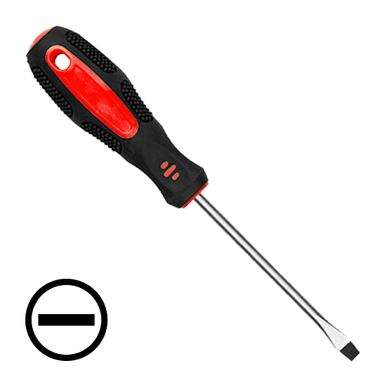
- 🧰 Flathead screwdriver (6 mm tip) (straight-blade screwdriver)
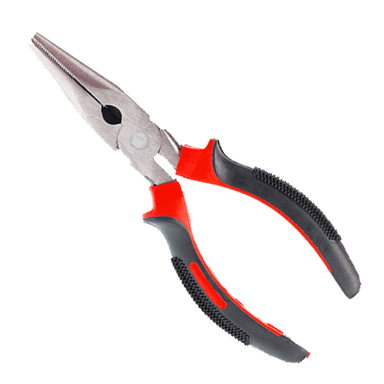
- 🧰 Needle-nose pliers
- 🧰 Shop towel or clean rag
- 🧰 Work light or flashlight
- 🧰 Mechanic gloves
- 🧰 Safety glasses
🔩 Required Parts
HowToo sells all the parts you need for this repair:
- 🧱 Engine air filter (for 1.5L turbo) - Qty: 1
- 🧱 Air box lid clips - Qty: 2–4 (only if any are broken)
- 🧱 Dielectric grease (small tube) - Qty: 1 (optional, for rubber seals)
📋 Before You Begin
- 🚗 Park the CR-V on a level surface, shift to Park, and set the parking brake.
- 🔑 Turn the engine off and remove the key or switch the ignition fully off.
- 🧊 Let the engine bay cool if you’ve just driven.
- 🪟 Pull the hood release inside the cabin, then open the hood and secure the hood prop rod.
🔨 Step-by-Step Instructions
Follow these steps in order:
Step 1: Locate the engine air filter box
- Open the hood and stand in front of the vehicle.
- The engine air filter box is a black plastic box on the driver’s side of the engine bay, with a large rubber intake hose attached to it.
- Use the work light or flashlight to see the latches and screws clearly. Good light prevents mistakes
Step 2: Clear access around the air box
- Remove any loose items or rags from around the air box area.
- If any small wire clips or harnesses are attached to the air box, gently lift them off using the needle-nose pliers so they are free and won’t pull tight.
Step 3: Release the air box lid clips
- On the CR-V, the front and/or side of the air box lid is usually held by metal or plastic clips.
- Use your fingers or the edge of the flathead screwdriver (6 mm tip) to gently pry the clips open and swing them away from the lid.
- If any clip is stubborn, carefully lever it with the flathead screwdriver, but do not twist too hard to avoid breaking it. Gentle pressure is enough
Step 4: Loosen any air box lid bolts (if equipped)
- Some CR-Vs also have one or two small bolts on the lid.
- Use the 10mm socket, 3" extension, and 1/4" drive ratchet to loosen and remove any 10mm bolts holding the lid.
- Place the bolts in a safe spot so they don’t fall into the engine bay.
- For these small plastic-mounted bolts, just snug them on reassembly; do not overtighten. Finger-tight plus a small turn
Step 5: Lift and swing the air box lid
- Gently lift the front or unclipped side of the air box lid.
- The back of the lid usually has plastic tabs that slot into the lower half of the box.
- Carefully wiggle and lift the lid enough to see the filter inside. You usually do not need to completely remove the lid from the car.
- If the rubber intake hose restricts movement, slightly wiggle the hose while lifting the lid. Do not pull hard on any hoses or wires.
Step 6: Remove the old air filter
- Note the orientation of the old filter: which side faces up and which edge goes toward the engine. Match this with new filter
- Lift the old filter straight up and out using your hands.
- If it sticks, gently pull one corner at a time; do not bend it sharply.
- Inspect the bottom of the air box for leaves, dust, or debris.
Step 7: Clean the air box
- Use a shop towel or clean rag to wipe out loose dust and debris from inside the lower box.
- Do not pour water or cleaner inside the box; keep it dry.
- If you see any small stones or leaves in corners, you can carefully pick them out by hand or with the needle-nose pliers.
Step 8: Install the new air filter
- Compare the new filter with the old one to ensure size and shape match.
- Place the new filter into the lower box in the same orientation as the old one.
- Make sure the rubber sealing edge of the filter sits flat all the way around the edge of the box. No part should be folded or sitting on top of the edge.
- If you’re using dielectric grease, put a very thin smear on the rubber seal with your finger to help it seal and prevent sticking. This is optional.
Step 9: Refit the air box lid
- Align the rear plastic tabs of the lid with the slots in the lower air box.
- Once the rear is seated, gently push the front of the lid down so it sits evenly on the new filter.
- Check that no part of the filter’s rubber seal is pinched outside the lid.
Step 10: Reinstall clips and bolts
- Snap the metal or plastic clips back into place by hand. You should hear or feel a firm click.
- If there were any 10mm bolts, reinstall them using the 10mm socket, 3" extension, and 1/4" drive ratchet.
- Tighten them just until they are snug against the plastic lid, then stop. Do not force them or you can crack the plastic. Snug, not strong
Step 11: Reattach any clips or wiring holders
- If you freed any small wire clips or harnesses earlier, push them back into their original spots on the air box by hand.
- Use the needle-nose pliers gently if needed to seat any small plastic clip fully.
Step 12: Final visual check
- Use your flashlight to look all around the air box.
- Confirm:
- All clips are latched.
- Any bolts are snug.
- No tools or rags are left in the engine bay.
- The intake hose is still fully connected and not twisted.
✅ After Repair
- 🔄 Close the hood securely and make sure it latches properly.
- 🧪 Start the engine and let it idle for a minute. Listen for any unusual hissing or whistling sounds near the air box (which could indicate a gap or loose lid).
- 🚗 Take a short, gentle drive. The engine should run smoothly with no warning lights related to the engine or intake.
- 🗓️ Plan to check or replace the engine air filter about every 15,000–30,000 km, or sooner in dusty conditions like many roads in Haryana.
💰 DIY vs Shop Cost
Shop Cost: $60–$120 (parts + labor)
DIY Cost: $15–$35 (parts only)
You Save: $45–$85 by doing it yourself!
Shop labor rates vary but typically run $100–$150/hour. This repair takes a shop approximately 0.3–0.5 hours.
🎯 Ready to get started?
HowToo makes it easy: same-day/2-day shipping on every part, plus all the tools and specialty tools you need! Check out the parts and tools sections above to add everything to your cart.
Guide for Engine Air Filter replace for these Honda vehicles
| Year Make Model | Sub Model | Engine | Body Style |
|---|---|---|---|
| 2022 Honda CR-V | - | Inline 4 1.5L | - |
| 2021 Honda CR-V | - | Inline 4 1.5L | - |
| 2020 Honda CR-V | - | Inline 4 1.5L | - |
| 2019 Honda CR-V | - | Inline 4 1.5L | - |
| 2018 Honda CR-V | - | Inline 4 1.5L | - |
| 2017 Honda CR-V | - | Inline 4 1.5L | - |