














How to Replace the Engine Air Filter on a 2016 Lexus IS200t (DIY Guide)
Step-by-step airbox removal and filter install with tools list, safety tips, and post-repair checks for 2016, 2017
How to Replace the Engine Air Filter on a 2016 Lexus IS200t (DIY Guide)
Step-by-step airbox removal and filter install with tools list, safety tips, and post-repair checks for 2016, 2017


🔧 IS - Engine Air Filter Replacement
Your IS’s engine air filter keeps dust and debris out of the engine. Replacing it restores proper airflow, helps fuel economy, and protects the turbo and engine internals.
Difficulty Level: Beginner | Estimated Time: 0.2-0.5 hours
⚠️ Safety & Precautions
- ⚠️ Work with the engine off and cool to avoid burns.
- ⚠️ Keep tools and fingers away from the radiator fan area; it can start unexpectedly on some vehicles.
- ⚠️ Do not blow dirt into the intake tube; keep the airbox opening clean.
- ⚠️ Battery disconnect is not required for this repair.
🔧 Required Tools
You'll need the following tools for this repair:
- Nitrile gloves
- Safety glasses
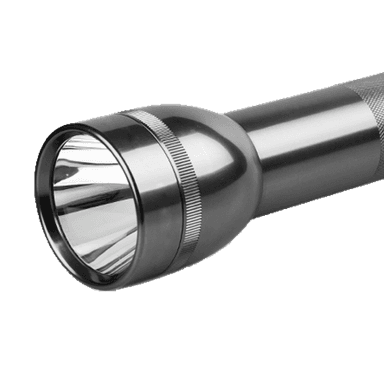
- Flashlight
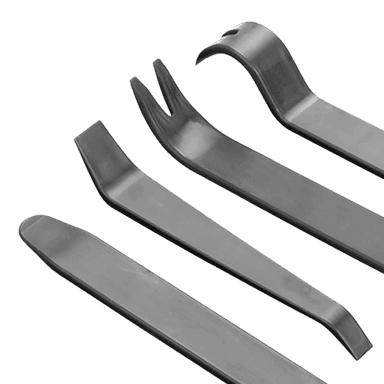
- Plastic trim tool
- Clean shop towel
🔩 Required Parts
HowToo sells all the parts you need for this repair:
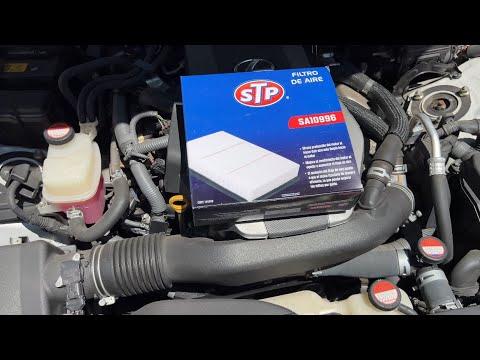
- Engine air filter - Qty: 1
📋 Before You Begin
- Park on level ground and shift to Park.
- Let the engine cool for at least 15 minutes if it was running.
- Open the hood and set your flashlight where it lights the passenger-side front of the engine bay (airbox area).
🔨 Step-by-Step Instructions
Follow these steps in order:
Step 1: Locate the air filter housing (airbox)
- Use a flashlight to find the black plastic airbox connected to the intake tube (the large tube leading toward the turbo/engine).
- You’ll see metal retaining clips around the airbox seam. These clips hold the airbox lid to the lower box.
Step 2: Unclip the airbox lid
- Wear nitrile gloves and safety glasses.
- Release the metal clips by hand. If a clip is stubborn, use a plastic trim tool to gently pry the clip outward and off the lip.
- Don’t use a screwdriver; it can crack plastic.
Step 3: Open the airbox and remove the old filter
- Lift the airbox lid slightly. You usually do not need to remove the entire lid—just open it enough to pull the filter out.
- Pull the old filter straight out and keep it level to avoid dropping dirt.
- Use a clean shop towel to wipe dust from the inside lip of the airbox (the sealing surface).
- Do not push the towel down into the intake opening.
Step 4: Install the new air filter (correct direction)
- Compare the new filter to the old one to confirm the same size and shape.
- Install the new filter into the lower airbox the same way the old one came out.
- Make sure the filter edge seats evenly all the way around (this prevents unfiltered air leaks).
Step 5: Close the airbox and re-latch the clips
- Lower the airbox lid fully and align the lid with the lower box seam.
- Snap each metal clip back into place by hand.
- Do a quick visual check that the airbox seam is closed evenly on all sides.
✅ After Repair
- Start the engine and let it idle for 30 seconds.
- Listen for a hissing/whistling air leak near the airbox seam; if you hear one, shut off the engine and re-check that the filter is fully seated and clips are fully latched.
- Take a short test drive and confirm there’s no check engine light.
💰 DIY vs Shop Cost
Shop Cost: $60-$140 (parts + labor)
DIY Cost: $20-$45 (parts only)
You Save: $40-$95 by doing it yourself!
Shop labor rates vary but typically run $100-$150/hour. This repair takes a shop approximately 0.2-0.5 hours.
🎯 Ready to get started?
HowToo makes it easy: same-day/2-day shipping on every part, plus all the tools and specialty tools you need! Check out the parts and tools sections below to add everything to your cart.