









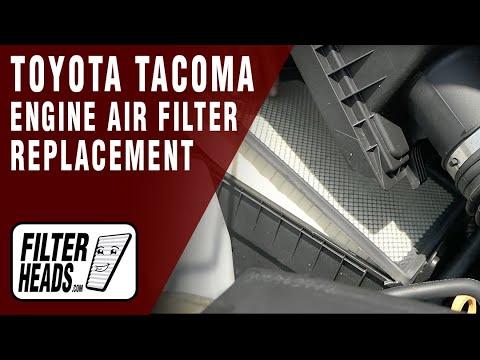





How to Replace the Engine Air Filter on a 2016-2021 Toyota Tacoma 3.5L V6
Step-by-step DIY Tacoma air filter change with required tools, parts, torque specs, safety tips, and cost savings
How to Replace the Engine Air Filter on a 2016-2021 Toyota Tacoma 3.5L V6
Step-by-step DIY Tacoma air filter change with required tools, parts, torque specs, safety tips, and cost savings for 2016, 2017, 2018, 2019, 2020, 2021


🔧 Tacoma - Engine Air Filter Replacement
You’ll be replacing the engine air filter in your Tacoma to help the engine breathe better and improve performance and fuel economy. This is one of the easiest maintenance jobs and perfect for a first DIY repair.
Difficulty Level: Beginner | Estimated Time: 0.25–0.5 hours
⚠️ Safety & Precautions
- 🛑 Turn the engine off and remove the key before starting.
- 🧊 Let the engine cool if it was just running; parts under the hood can be very hot.
- 🧤 Wear gloves and safety glasses to protect your hands and eyes from dust and sharp edges.
- 🚭 Do not spray any cleaners inside the air filter box unless specifically meant for sensors (like MAF cleaner).
🔧 Required Tools
You'll need the following tools for this repair:
- 🧰 10mm socket
- 🧰 1/4" drive ratchet
- 🧰 3" socket extension
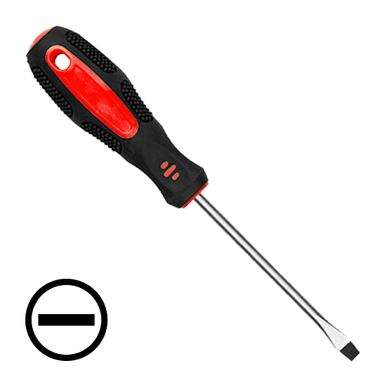
- 🧰 Flathead screwdriver (medium size)
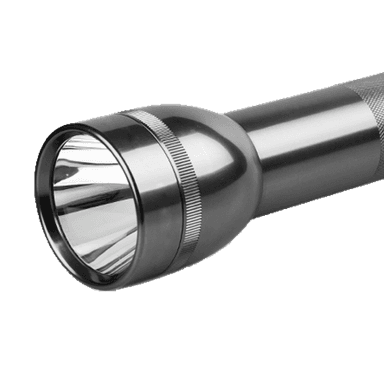
- 🧰 Work light or flashlight
- 🧰 Mechanic’s gloves
- 🧰 Safety glasses
- 🧰 Clean shop towels
🔩 Required Parts
HowToo sells all the parts you need for this repair:
- 🧱 Engine air filter element (for 3.5L V6) - Qty: 1
- 🧴 Mass Air Flow (MAF) sensor cleaner spray - Qty: 1 (optional, do not use other cleaners)
- 🧻 Disposable shop towels - Qty: 1 pack
📋 Before You Begin
- 🚙 Park the Tacoma on level ground, set the parking brake, and put the transmission in 1st gear with wheels chocked if on any incline.
- 🔑 Turn the engine off and remove the key from the ignition.
- 🛑 You do not need to disconnect the battery for this job, but avoid pulling hard on any electrical connectors near the air box.
- 📱 No infotainment or scan-tool steps are needed for this repair.
🔨 Step-by-Step Instructions
Follow these steps in order:
Step 1: Open the hood and locate the air filter box
- Pull the hood release handle inside the cab, then lift the hood and set the hood prop in place.
- Use the work light or flashlight to clearly see the engine bay.
- Find the black plastic air filter box on the passenger side of the engine bay, with a large tube (air intake hose) going to the engine.
- Look for “TOYOTA” on the top plastic cover.
Step 2: Clear access around the air filter box
- Remove any loose items sitting on or near the air box.
- If needed, gently move wiring harnesses or hoses aside with your hand. Do not disconnect anything.
- Use shop towels to wipe off heavy dust or dirt on top of the air box so it doesn’t fall inside when opened.
Step 3: Release the air box clips
- On your Tacoma’s air box, there are usually metal spring clips along the front and/or side of the box.
- Use your fingers or the tip of a flathead screwdriver to gently pry the clips away from the lid and let them swing down.
- Work along the edge until all visible clips holding the top of the box are released.
- Don’t bend clips; they just hinge outward.
Step 4: Loosen the intake hose clamp (if needed)
- Where the large rubber hose attaches to the air box lid, you may see a metal band clamp.
- Use the 10mm socket with the 1/4" ratchet and 3" extension, or a flathead screwdriver, to slightly loosen the clamp screw.
- You only need to loosen it enough so the hose can move a bit; do not remove the clamp completely.
- Torque when re-tightening later: 4 Nm (35 in-lbs)
Step 5: Lift the air box lid
- Hold the air box lid with one hand and gently lift the front edge upward.
- The rear of the lid usually has plastic tabs that slide into the lower half of the box, so you’ll lift the front and pivot slightly upward.
- If the hose is tight, gently twist the lid while lifting; the loosened clamp should give you enough movement.
- Do not force; wiggle gently until it frees.
Step 6: Remove the old air filter
- With the lid lifted, you’ll see the rectangular air filter sitting in the lower half of the box.
- Use one hand to hold the lid up, and the other to grab the air filter by an edge or tab.
- Lift the old filter straight up and out of the box.
- Set the old filter aside on a shop towel so dirt doesn’t spill on the engine.
Step 7: Inspect and clean the air box
- Look inside the lower half of the air box with the work light. Check for leaves, sand, or debris.
- Use a shop towel to wipe out loose dirt. Do not use water or general-purpose cleaners.
- If there is a lot of debris, you can gently vacuum it out, but keep the vacuum tip away from any sensor or wires.
- If you choose to clean the Mass Air Flow sensor, only use MAF sensor cleaner spray and follow its instructions. Do not touch the sensor element.
Step 8: Install the new air filter
- Compare the new filter to the old one to make sure size and shape match.
- Note which side of the filter has the rubber sealing edge; that edge must sit against the air box lip.
- Place the new engine air filter element into the lower half of the air box, making sure it sits flat in the groove all the way around.
- Run your finger along the rubber edge to confirm it is evenly seated with no gaps.
- If it rocks or sits crooked, reseat it.
Step 9: Reinstall and secure the air box lid
- Align the rear tabs of the air box lid with the slots in the lower box and slide them into place.
- Lower the front of the lid down over the new filter, making sure it doesn’t push or fold the filter’s rubber edge.
- While holding the lid down, close each metal clip by pushing it up and over the lid edge until it snaps on.
- Check all sides of the lid to make sure there is no visible gap between the lid and lower box.
Step 10: Tighten the intake hose clamp
- At the air box outlet, reposition the rubber hose so it sits fully over the plastic neck of the box.
- Use the 10mm socket with the ratchet and extension, or the flathead screwdriver, to tighten the hose clamp screw.
- Tighten until the hose feels snug and does not twist easily by hand.
- Torque: 4 Nm (35 in-lbs) (snug, not over-tightened).
Step 11: Final checks and close the hood
- Look around the air box and intake hose to make sure no tools or towels are left in the engine bay.
- Ensure all clips are latched, the hose clamp is tight, and any wiring or hoses you moved are back in place.
- Remove the hood prop and close the hood firmly.
✅ After Repair
- 🔑 Start the engine and let it idle for a minute. Listen for any unusual sucking or whistling noises around the air box that could indicate a loose hose or lid.
- 🚗 Take a short drive. You should not see any warning lights related to the engine or intake.
- 📅 Note the mileage and date of the air filter change so you know when it’s due again.
💰 DIY vs Shop Cost
Shop Cost: $60–$100 (parts + labor)
DIY Cost: $20–$40 (parts only)
You Save: $40–$60 by doing it yourself!
Shop labor rates vary but typically run $100–$150/hour. This repair takes a shop approximately 0.3–0.5 hours.
🎯 Ready to get started?
HowToo makes it easy: same-day/2-day shipping on every part, plus all the tools and specialty tools you need! Check out the parts and tools sections below to add everything to your cart.
Guide for Engine Air Filter replace for these Toyota vehicles
| Year Make Model | Sub Model | Engine | Body Style |
|---|---|---|---|
| 2021 Toyota Tacoma | - | - | - |
| 2020 Toyota Tacoma | - | - | - |
| 2019 Toyota Tacoma | - | - | - |
| 2018 Toyota Tacoma | - | - | - |
| 2017 Toyota Tacoma | - | - | - |
| 2016 Toyota Tacoma | - | - | - |