









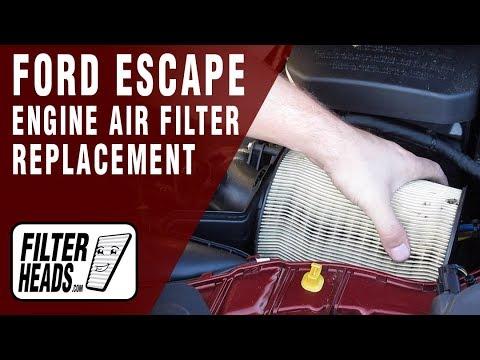






How to Replace the Engine Air Filter on a 2014 Ford Escape (Step-by-Step)
Tools, parts list, safety tips, and quick checks to restore airflow and fuel economy
How to Replace the Engine Air Filter on a 2014 Ford Escape (Step-by-Step)
Tools, parts list, safety tips, and quick checks to restore airflow and fuel economy


🔧 Escape - Engine Air Filter Replacement
Your Escape’s engine air filter keeps dust and debris out of the turbo engine. Replacing it restores airflow, helps fuel economy, and protects the turbo and engine internals.
Difficulty Level: Beginner | Estimated Time: 0.2-0.5 hours
⚠️ Safety & Precautions
- ⚠️ Work with the engine OFF and cool to avoid burns.
- ⚠️ Keep fingers/tools away from the radiator fan area.
- ⚠️ Do not unplug sensors unless needed; if you do, press the lock tab gently.
- ⚠️ Battery disconnect is not required for this repair.
🔧 Required Tools
You'll need the following tools for this repair:
- Nitrile gloves
- Safety glasses
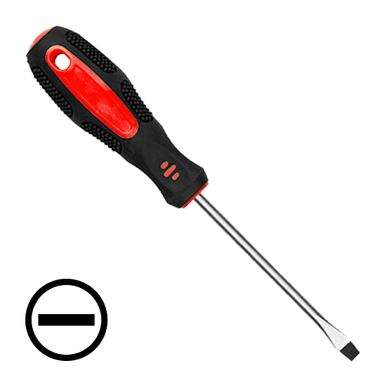
- Flathead screwdriver (medium)
- 8mm socket
- 1/4" ratchet
- Flashlight
- Shop towel
🔩 Required Parts
HowToo sells all the parts you need for this repair:
- Engine air filter - Qty: 1
📋 Before You Begin
- Park your Escape on level ground and shift to Park.
- Turn the engine off and let it cool for 10-15 minutes.
- Open the hood and locate the air filter box (black plastic box with a large intake tube) near the front/side of the engine bay.
🔨 Step-by-Step Instructions
Follow these steps in order:
Step 1: Locate the air filter housing
- Use a flashlight to find the air filter box and the large intake tube going to the engine.
- Wipe loose dirt around the housing seam using a shop towel so debris doesn’t fall inside.
Step 2: Release the air filter cover
- If your Escape uses metal/plastic clips, open them using a flathead screwdriver (medium) if needed.
- If your Escape uses screws/bolts on the cover, loosen/remove them using an 8mm socket and 1/4" ratchet.
- Don’t force it—recheck for hidden fasteners.
Step 3: Lift the cover and remove the old filter
- Lift the air box cover up enough to access the filter (you usually don’t need to fully remove the intake tube).
- Pull the old filter straight out by hand while holding the cover up.
- Use the flashlight to look inside the lower air box for leaves or dirt.
Step 4: Clean the air box sealing surface
- Use a shop towel to wipe the inside edges where the filter seals.
- Do not let debris fall into the intake opening.
Step 5: Install the new engine air filter
- Place the new filter into the lower air box by hand, making sure it sits flat in the tray.
- Confirm the filter’s rubber edge (gasket) is fully seated all the way around.
- A crooked filter can let dirt past.
Step 6: Close and secure the housing
- Lower the cover back into place and align the edges.
- Re-latch the clips by hand, or tighten the fasteners using an 8mm socket and 1/4" ratchet until snug (do not overtighten).
- Do a quick tug-check on the cover to confirm it’s fully closed and even.
Step 7: Final under-hood check
- Use the flashlight to confirm no tools or towels are left in the engine bay.
- Make sure the intake tube is still seated and not pulled loose.
✅ After Repair
- Start your Escape and let it idle for 30 seconds.
- Listen for hissing/whistling that could indicate the air box isn’t sealed.
- If the engine runs rough right after, shut it off and re-check the filter is seated and the air box is fully latched.
💰 DIY vs Shop Cost
Shop Cost: $60-$140 (parts + labor)
DIY Cost: $15-$40 (parts only)
You Save: $45-$100 by doing it yourself!
Shop labor rates vary but typically run $100-$150/hour. This repair takes a shop approximately 0.2-0.5 hours.
🎯 Ready to get started?
HowToo makes it easy: same-day/2-day shipping on every part, plus all the tools and specialty tools you need! Check out the parts and tools sections below to add everything to your cart.