









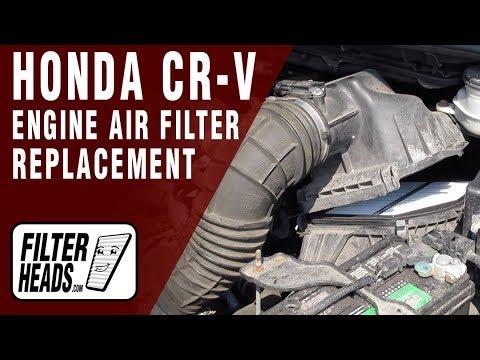





How to Replace the Engine Air Filter on a 2012-2014 Honda CR-V (Engine: Inline 4 2.4L)
Step-by-step DIY guide with tools, parts, safety tips, and money-saving advice for CR-V air filter replacement
How to Replace the Engine Air Filter on a 2012-2014 Honda CR-V (Engine: Inline 4 2.4L)
Step-by-step DIY guide with tools, parts, safety tips, and money-saving advice for CR-V air filter replacement for 2012, 2013, 2014


🔧 CR-V - Engine Air Filter Replacement
You’ll be replacing the engine air filter inside the black plastic air box in the engine bay. A clean filter helps your engine breathe better, improves performance, and can slightly improve fuel economy.
Difficulty Level: Beginner | Estimated Time: 10–20 minutes
⚠️ Safety & Precautions
- 🛑 Make sure the engine is off and the key is removed from the ignition.
- 🛑 Let the engine cool if it has been running; hot parts can burn you.
- 🛑 Do not drop any tools or debris into the air intake or air box.
- 🛑 Keep loose clothing and jewelry away from engine components.
- 🛑 Battery disconnection is not required for this job.
🔧 Required Tools
You'll need the following tools for this repair:
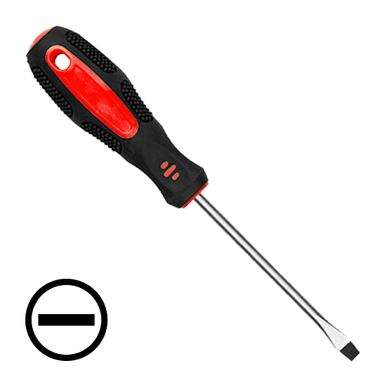
- 🧰 Flathead screwdriver (5–6 mm tip)
- 🧰 Shop vacuum (small)
- 🧰 Clean rag or microfiber cloth
- 🧰 Mechanic gloves
- 🧰 Safety glasses
🔩 Required Parts
HowToo sells all the parts you need for this repair:
- 🧱 Engine air filter (2.4L) - Qty: 1
- 🧱 Throttle body/intake-safe cleaner spray - Qty: 1 (optional, for light cleaning)
📋 Before You Begin
- 📝 Park your CR-V on level ground, shift to Park, and set the parking brake.
- 📝 Turn off the engine and remove the key from the ignition.
- 📝 Open the hood using the interior hood release, then lift the hood and secure it with the prop rod.
- 📝 Make sure you have the new air filter handy before opening the air box.
🔨 Step-by-Step Instructions
Follow these steps in order:
Step 1: Locate the engine air filter box
- Open the hood and stand in front of the vehicle.
- Look slightly to the left side of the engine bay (driver’s side in your CR-V). You will see a large black plastic box with a thick rubber hose going toward the engine – this is the air filter box.
- Use your flashlight if needed to clearly see the clips and screws on the box.
Step 2: Identify the air box clips and screws
- On your CR-V, the top half of the air box is held by metal clips at the front and rear edges.
- Some versions also have small plastic tabs that slide into slots on the back side of the air box.
- Use the flathead screwdriver to gently look around the edges and see where the clips are, but don’t pry hard yet.
- Study how it’s held together before opening.
Step 3: Release the air box clips
- Use your hands to unhook the metal clips on the front and sides of the air box. They usually pull away from the box and then swing down.
- If a clip is tight, use the flathead screwdriver to gently pry the metal clip away from the lid while you pull with your other hand.
- Be careful not to bend the clips too far; they can snap or lose tension.
Step 4: Open the air box lid
- Once the clips are released, gently lift the front edge of the air box lid using your hands.
- The back of the lid may be held by plastic hinges or tabs that slide into slots. Instead of lifting straight up, tilt the lid upward from the front and slightly slide it out.
- Do not pull hard on the rubber intake hose that is attached to the lid; just move the lid enough to access the filter inside.
- If it feels stuck, check for any missed clip.
Step 5: Remove the old air filter
- Look inside the air box: you will see a rectangular paper filter with a rubber frame.
- Grab the filter by the edges using your hands and lift it straight up and out.
- Take note of the orientation (which side faces up and which side faces the engine). This is how you’ll install the new one.
Step 6: Clean the inside of the air box
- Use the shop vacuum to gently vacuum any loose leaves, dust, or debris from the bottom of the air box. Do not suck on any sensors or wiring.
- Use a clean rag to wipe any remaining dust or light dirt from the surfaces inside the box.
- If there is oily residue, lightly spray intake-safe cleaner on the rag (not directly inside the box) and wipe the surfaces.
- Keep debris from falling into the intake opening.
Step 7: Install the new air filter
- Take the new filter out of its packaging.
- Match the shape and orientation with the old filter you removed.
- Place the new filter into the air box using your hands, making sure it sits flat and fully inside the rubber sealing groove all the way around.
- Run your fingers around the edge to confirm it is not sitting crooked or on top of any edge.
Step 8: Refit and secure the air box lid
- Position the back tabs of the lid into their slots first using your hands. Make sure the lid hooks in at the rear.
- Once the back is seated, swing the front of the lid down onto the lower half of the air box.
- Check that the rubber hose is not twisted or pulled; it should sit naturally.
- Re-engage each metal clip by pushing it up and over the lip of the lid using your hands or the flathead screwdriver if needed for leverage.
- There are no bolts to torque on this air box, so no torque spec is required, but make sure all clips are fully locked.
Step 9: Final checks under the hood
- Visually inspect around the air box to confirm it is fully closed on all sides and that no gaps are visible between the lid and the lower half.
- Make sure you have removed all tools and rags from the engine bay.
- Close the hood securely.
✅ After Repair
- 🔍 Start the engine and let it idle for a minute. Listen for any unusual hissing or whistling sounds around the air box that could indicate a gap or loose lid.
- 🚗 Take a short drive and make sure the engine runs smoothly and there are no warning lights.
- 📝 Note your mileage and date so you know when the air filter was last replaced. Honda typically recommends checking/replacing around every 15,000–30,000 miles, depending on dust conditions.
💰 DIY vs Shop Cost
Shop Cost: $60–$100 (parts + labor)
DIY Cost: $15–$30 (parts only)
You Save: $45–$70 by doing it yourself!
Shop labor rates vary but typically run $100–$150/hour. This repair takes a shop approximately 0.3–0.5 hours.
🎯 Ready to get started?
HowToo makes it easy: same-day/2-day shipping on every part, plus all the tools and specialty tools you need! Check out the parts and tools sections below to add everything to your cart.
Guide for Engine Air Filter replace for these Honda vehicles
| Year Make Model | Sub Model | Engine | Body Style |
|---|---|---|---|
| 2014 Honda CR-V | - | Inline 4 2.4L | - |
| 2013 Honda CR-V | - | Inline 4 2.4L | - |
| 2012 Honda CR-V | - | Inline 4 2.4L | - |