














How to Replace the Engine Air Filter on a 2011-2026 Ford Explorer (Engine: V6 3.5L)
Step-by-step DIY guide with tools, parts list, torque specs, safety tips, and cost savings
How to Replace the Engine Air Filter on a 2011-2026 Ford Explorer (Engine: V6 3.5L)
Step-by-step DIY guide with tools, parts list, torque specs, safety tips, and cost savings for 2011, 2012, 2013, 2014, 2015, 2016, 2017, 2018, 2019


🔧 Explorer - Engine Air Filter Replacement
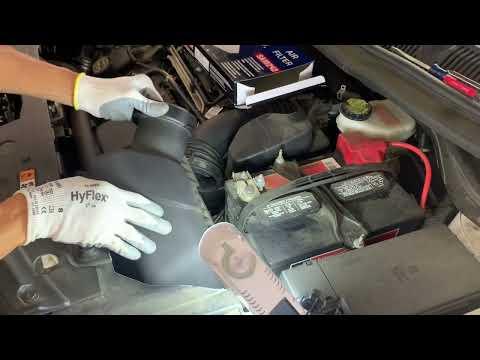
You’ll be replacing the engine air filter in your Explorer’s air box on the left side of the engine bay. This helps the engine breathe clean air, improves performance, and can slightly help fuel economy.
Difficulty Level: Beginner | Estimated Time: 15-25 minutes
⚠️ Safety & Precautions
- 🛑 Turn the engine off and remove the key or fob from the vehicle before starting.
- 🛑 Let the engine bay cool if you’ve been driving; parts nearby can be hot.
- 🛑 Do not unplug any electrical connectors around the air box unless instructed.
- 🛑 Keep dirt and tools out of the open air intake; anything sucked in can damage the engine.
- 🛑 Battery disconnect is not required for this job.
🔧 Required Tools
You'll need the following tools for this repair:
- 🧰 8mm socket
- 🧰 1/4" ratchet
- 🧰 3" 1/4" extension
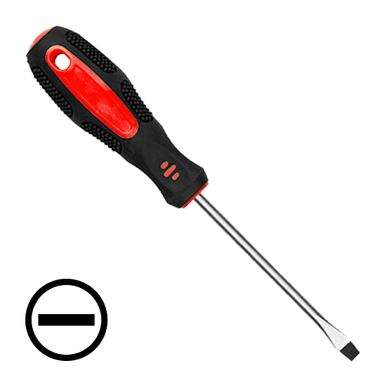
- 🧰 Flathead screwdriver (medium)
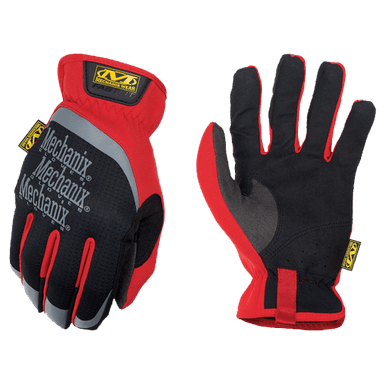
- 🧰 Work gloves
- 🧰 Safety glasses
- 🧰 Clean shop towel or microfiber cloth
🔩 Required Parts
HowToo sells all the parts you need for this repair:
- 🧱 Engine air filter element (panel type, for 3.5L EcoBoost) - Qty: 1
- 🧱 Mass air flow sensor-safe cleaner - Qty: 1 (optional, for light cleaning around sensor only)
📋 Before You Begin
- 🚗 Park the Explorer on level ground, shift to Park, and set the parking brake.
- 🔌 Turn off all accessories (lights, AC, radio) and switch the ignition fully off.
- 🧊 Let the engine cool for at least 10–15 minutes if it was running.
- 🧼 Make sure you have a clean area to set the new filter so it doesn’t pick up dust.
🔨 Step-by-Step Instructions
Follow these steps in order:
Step 1: Open the hood and locate the air box
- Pull the hood release handle inside the cabin, then release the hood latch at the front and prop the hood open.
- The air box is the large black plastic box on the driver’s side of the engine bay, with a big hose (intake tube) running from it toward the front of the vehicle.
- Think of the air box as the “lungs” housing.
Step 2: Inspect how the air box is held together
- Look for metal clips along the sides of the air box cover. Your Explorer typically uses spring clips at the front and/or side and plastic hinges at the rear.
- There is also an intake hose clamp near the air box outlet that may need to be loosened.
- Use your eyes and hands to see which side opens; the rear usually stays hinged.
Step 3: Release the air box cover clips
- Use your fingers to pop open the metal spring clips holding the air box lid. If they’re tight, gently pry them open with the flathead screwdriver.
- There are typically 2–3 clips; make sure all are released.
- Hold the clip as you release to avoid it snapping hard.
Step 4: Loosen the intake hose clamp (if needed)
- Locate the metal band clamp where the large rubber intake hose connects to the air box cover.
- Use the 8mm socket with the 1/4" ratchet (and 3" extension if needed) to loosen the clamp 2–3 turns. Do not remove the screw fully.
- You just want the hose loose enough to wiggle off the air box cover.
- Torque when re-tightening: snug by hand, about 3–4 Nm (2–3 ft-lbs) (light wrist force only).
Step 5: Lift and swing open the air box cover
- Gently pull the intake hose off the air box cover if it’s tight. Wiggle it with your hand while pulling back.
- Lift the front edge of the air box cover where the clips were, and swing it upward like opening a book, keeping the rear side at the hinge.
- Do not pull on any wires or sensors attached to the intake tube; keep the cover supported with one hand.
- Only open as far as needed to remove the filter.
Step 6: Remove the old air filter
- Note how the old filter is sitting: which side faces up and which side faces the engine. The rubber edge usually seals against the air box edge.
- Grab the filter by the frame and lift it straight out of the air box.
- Check the bottom of the air box for leaves, dust, or debris.
Step 7: Clean the air box area
- Use the clean shop towel or microfiber cloth to gently wipe out loose dirt from inside the air box bottom.
- Do not push debris into the opening that leads to the engine. If anything is close to that opening, carefully pick it out with your fingers or cloth.
- If you use mass air flow sensor-safe cleaner, only lightly spray the inside of the air box walls (not down the engine side opening) and let it dry completely. Do not spray any sensors directly unless you know exactly where the MAF sensor is and follow product instructions.
- Keep liquids away from the engine intake hole.
Step 8: Install the new air filter
- Compare the new filter to the old one to confirm size and shape match.
- Place the new filter into the air box with the rubber sealing edge seated firmly against the mating surface, same orientation as the old one.
- Make sure the filter sits flat in the box and is not twisted or riding on any edges.
- Any gap around the edge can let in unfiltered air.
Step 9: Refit the air box cover
- Lower the air box cover carefully, making sure the rear hinge tabs slide into their slots and the cover edges fit over the new filter evenly.
- Check that no part of the filter is pinched or sticking out of the air box.
- Push the cover fully down so that the clip areas line up correctly.
Step 10: Reattach the intake hose and tighten clamp
- Slide the large intake hose fully back onto the air box cover outlet.
- Make sure the hose end is seated evenly all the way around without twists.
- Use the 8mm socket and 1/4" ratchet to tighten the clamp snug. Do not overtighten or you can strip the clamp screw.
- Torque: about 3–4 Nm (2–3 ft-lbs), just firmly snug.
Step 11: Close the clips and final checks
- Snap all the metal clips back into place on the air box cover using your fingers.
- Give the cover a gentle shake; it should not move or rattle.
- Visually check the entire air box area to confirm:
- No tools or rags left inside the engine bay.
- All clips closed.
- Hose clamp tight and hose fully seated.
✅ After Repair
- 🔑 Start the engine and let it idle for a minute. Listen for any whistling or hissing near the air box; this could mean the cover or hose isn’t sealed correctly.
- 🚦Blip the throttle lightly from inside the car; the engine should respond normally with no warning lights.
- 🧾 No scan tool or reset is needed for a standard air filter change on your Explorer.
- 📅 Plan to check or replace the engine air filter every 20,000–30,000 km in dusty conditions like many parts of Haryana.
💰 DIY vs Shop Cost
Shop Cost: $60–$110 (parts + labor)
DIY Cost: $20–$40 (parts only)
You Save: $40–$70 by doing it yourself!
Shop labor rates vary but typically run $100–$150/hour. This repair takes a shop approximately 0.3–0.5 hours.
🎯 Ready to get started?
HowToo makes it easy: same-day/2-day shipping on every part, plus all the tools and specialty tools you need! Check out the parts and tools sections above to add everything to your cart.
Guide for Engine Air Filter replace for these Ford vehicles
| Year Make Model | Sub Model | Engine | Body Style |
|---|---|---|---|
| 2026 Ford Explorer | - | Inline 4 2.3L | - |
| 2026 Ford Explorer | - | V6 3.0L | - |
| 2025 Ford Explorer | - | Inline 4 2.3L | - |
| 2025 Ford Explorer | - | V6 3.0L | - |
| 2024 Ford Explorer | - | Inline 4 2.3L | - |
| 2024 Ford Explorer | - | V6 3.0L | - |
| 2023 Ford Explorer | - | Inline 4 2.3L | - |
| 2023 Ford Explorer | - | V6 3.0L | - |
| 2022 Ford Explorer | - | Inline 4 2.3L | - |
| 2022 Ford Explorer | - | V6 3.0L | - |
| 2021 Ford Explorer | - | Inline 4 2.3L | - |
| 2021 Ford Explorer | - | V6 3.0L | - |
| 2020 Ford Explorer | - | Inline 4 2.3L | - |
| 2020 Ford Explorer | - | V6 3.0L | - |
| 2019 Ford Explorer | - | V6 3.5L | - |
| 2019 Ford Explorer | - | Inline 4 2.3L | - |
| 2018 Ford Explorer | - | V6 3.5L | - |
| 2018 Ford Explorer | - | Inline 4 2.3L | - |
| 2017 Ford Explorer | - | V6 3.5L | - |
| 2017 Ford Explorer | - | Inline 4 2.3L | - |
| 2016 Ford Explorer | - | V6 3.5L | - |
| 2016 Ford Explorer | - | Inline 4 2.3L | - |
| 2015 Ford Explorer | - | V6 3.5L | - |
| 2015 Ford Explorer | - | Inline 4 2.0L | - |
| 2014 Ford Explorer | - | V6 3.5L | - |
| 2014 Ford Explorer | - | Inline 4 2.0L | - |
| 2013 Ford Explorer | - | V6 3.5L | - |
| 2013 Ford Explorer | - | Inline 4 2.0L | - |
| 2012 Ford Explorer | - | V6 3.5L | - |
| 2012 Ford Explorer | - | Inline 4 2.0L | - |
| 2011 Ford Explorer | - | V6 3.5L | - |