









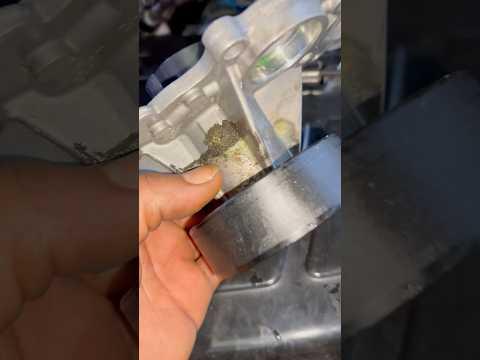







How to Replace the Electric Water Pump on a 2020 Toyota GR Supra (Coolant Pump)
Step-by-step DIY instructions with tools, parts list, coolant drain/fill, and proper vacuum-bleed tips for 2020, 2021, 2022, 2023
How to Replace the Electric Water Pump on a 2020 Toyota GR Supra (Coolant Pump)
Step-by-step DIY instructions with tools, parts list, coolant drain/fill, and proper vacuum-bleed tips for 2020, 2021, 2022, 2023


🔧 Supra - Water Pump Replacement
On your Supra, the water pump is an electric coolant pump that circulates coolant through the engine and turbo cooling system. Replacement typically involves draining coolant, removing the lower underbody panels, swapping the pump, then doing a correct vacuum-fill/bleed so you don’t trap air.
Difficulty Level: Advanced | Estimated Time: 3-6 hours
⚠️ Safety & Precautions
- ⚠️ Only work on a fully cool engine; hot coolant can cause severe burns.
- ⚠️ Disconnect the negative battery terminal before unplugging the electric water pump.
- ⚠️ Support the car on jack stands; never rely on a floor jack alone.
- ⚠️ Collect coolant in a clean drain pan; keep away from kids/pets.
- ⚠️ If you can’t perform the coolant bleeding/priming procedure, don’t start the engine—air pockets can overheat the engine quickly.
🔧 Required Tools
You'll need the following tools for this repair:
- Floor jack (rated 3-ton minimum)
- Jack stands (rated 3-ton minimum)
- Wheel chocks
- Safety glasses
- Nitrile gloves
- Metric socket set (8mm–16mm)
- Ratchet (3/8")
- Torque wrench (3/8")
- E-Torx socket set (E6–E14)
- Torx bit set (T20–T45)
- Trim clip removal tool
- Pick tool
- Hose clamp pliers
- Drain pan (at least 10 liters)
- Funnel
- Vacuum coolant fill tool (specialty)
- Scan tool with coolant bleed/activation function (specialty)
- Shop towels
🔩 Required Parts
HowToo sells all the parts you need for this repair:
- Electric water pump assembly - Qty: 1
- Water pump sealing O-ring/gasket - Qty: 1
- Toyota Super Long Life Coolant (pink, premixed) - Qty: 2-3 gallons
- Replacement hose clamps (coolant line clamps) - Qty: 1-4
- Underbody panel fasteners/clips (assortment) - Qty: 1
📋 Before You Begin
- Park on level ground, set the parking brake, and chock the rear wheels.
- Let the engine cool completely (ideally overnight).
- Plan your bleeding method: best practice is a vacuum coolant fill tool (specialty) plus a scan tool (specialty) to run the electric pump. A vacuum fill tool pulls air out so you don’t trap bubbles.
- Open the hatch and access the battery area; you’ll disconnect the negative terminal later.
🔨 Step-by-Step Instructions
Follow these steps in order:
Step 1: Raise and support the car
- Use a floor jack (rated 3-ton minimum) to lift the front of the car at the proper front center jacking point.
- Place jack stands (rated 3-ton minimum) at the approved support points and lower the car onto the stands.
- Verify stability by gently rocking the car before going underneath.
Step 2: Remove the lower underbody panels
- Use a Torx bit set (T20–T45) and metric socket set (8mm–16mm) to remove the fasteners holding the front undertray and any splash shields that block access.
- Use a trim clip removal tool for plastic clips to avoid breaking them.
- Lay fasteners out in a pattern.
Step 3: Disconnect the battery negative terminal
- Use the metric socket set (8mm–16mm) to loosen the negative battery terminal clamp.
- Move the negative cable aside so it cannot spring back onto the battery post.
Step 4: Drain the coolant
- Position a drain pan (at least 10 liters) under the radiator drain area.
- Use the correctly fitting tool from your Torx bit set (T20–T45) or metric socket set (8mm–16mm) (whichever matches your drain) to open the drain and let coolant flow into the pan.
- Open the coolant reservoir cap slowly (top of engine bay) to help it drain faster.
Step 5: Access the water pump area
- From underneath, locate the electric water pump on the side of the engine near the lower coolant hoses and electrical connector.
- If any bracket/ducting blocks access, remove it using a metric socket set (8mm–16mm) and Torx bit set (T20–T45).
- Take a clear photo before disassembly.
Step 6: Disconnect the pump electrical connector
- Use a pick tool to gently release the connector lock tab (do not pry hard).
- Unplug the connector and secure the harness out of the way with a shop towel wrapped around it if needed.
Step 7: Remove coolant hoses from the pump
- Use hose clamp pliers to compress and slide the spring clamps back on each hose.
- Twist the hose gently to break the seal, then pull it off. Catch remaining coolant in the drain pan (at least 10 liters).
- If a hose is stuck, use a pick tool carefully around the hose end to release it without tearing the hose.
Step 8: Remove the water pump mounting bolts
- Use the correctly fitting socket from your E-Torx socket set (E6–E14) (E-Torx are “external Torx” bolts with a star shape on the outside of the bolt head) with a ratchet (3/8") to remove the pump bolts.
- Support the pump as the last bolt comes out so it doesn’t drop.
- Remove the pump from the engine.
Step 9: Prepare the sealing surface
- Use shop towels to clean any spilled coolant.
- Inspect the engine-side sealing surface for old gasket material or debris and clean it carefully.
- Install the new water pump sealing O-ring/gasket onto the new pump as supplied.
Step 10: Install the new water pump
- Position the new pump and start all bolts by hand to prevent cross-threading.
- Tighten bolts evenly using the ratchet (3/8").
- Final-tighten using a torque wrench (3/8"): Torque to Toyota factory specification for the water pump fasteners.
Step 11: Reconnect hoses and electrical connector
- Push coolant hoses fully onto their fittings.
- Use hose clamp pliers to reposition clamps exactly where they were.
- Plug the electrical connector back in until it clicks/locks.
Step 12: Reinstall underbody panels
- Reinstall splash shields and undertray using the Torx bit set (T20–T45) and metric socket set (8mm–16mm).
- Use a torque wrench (3/8") where applicable: Torque to Toyota factory specification for underbody fasteners.
Step 13: Reconnect the battery
- Reconnect the negative battery terminal using the metric socket set (8mm–16mm).
- Snug it securely: Torque to Toyota factory specification for battery terminal clamp.
Step 14: Refill and bleed the cooling system
- Best method: use a vacuum coolant fill tool (specialty) with a funnel to pull vacuum, confirm it holds, then draw in Toyota Super Long Life Coolant (pink, premixed).
- Then use a scan tool with coolant bleed/activation function (specialty) to run the electric coolant pump bleeding routine until no air is present.
- Top off the reservoir to the correct level using a funnel.
✅ After Repair
- Start the engine and let it idle while you inspect for leaks underneath with safety glasses on.
- Bring the engine up to operating temperature and verify cabin heat is steady (weak heat can mean trapped air).
- After a full cool-down, recheck the coolant level and top off as needed with Toyota Super Long Life Coolant (pink, premixed).
- If the check engine light is on, use a scan tool with coolant bleed/activation function (specialty) to scan for cooling-system related faults and clear them only after fixing the cause.
💰 DIY vs Shop Cost
Shop Cost: $1,200-$2,200 (parts + labor)
DIY Cost: $350-$900 (parts only)
You Save: $300-$1,300 by doing it yourself!
Shop labor rates vary but typically run $100-$150/hour. This repair takes a shop approximately 3-6 hours.
🎯 Ready to get started?
HowToo makes it easy: same-day/2-day shipping on every part, plus all the tools and specialty tools you need! Check out the parts and tools sections below to add everything to your cart.