












How to Replace the Cabin Air Filter on a 2019 Ford Explorer
Step-by-step cabin filter change behind the glove box with tools, tips, and DIY cost savings
How to Replace the Cabin Air Filter on a 2019 Ford Explorer
Step-by-step cabin filter change behind the glove box with tools, tips, and DIY cost savings


🔧 Explorer - Cabin Air Filter Replacement
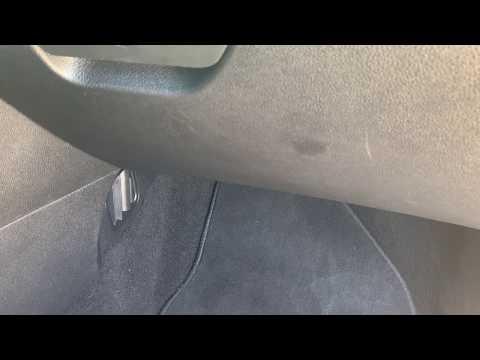
You’ll be replacing the cabin air filter that cleans the air coming through the vents into the interior of your Explorer. On this model, the filter is located behind the glove box and is accessible from the passenger side.
Difficulty Level: Beginner | Estimated Time: 15-25 minutes
⚠️ Safety & Precautions
- 🛑 Work with the engine off, key out of the ignition, and the blower fan turned off.
- 🛑 Set the parking brake so the vehicle cannot roll.
- 🛑 Empty the glove box first so nothing falls out while you lower it.
- 🛑 Avoid forcing plastic parts; they can crack in hot or cold weather.
🔧 Required Tools
You'll need the following tools for this repair:
- 🧤 Mechanic’s gloves
- 🔦 LED flashlight
🔩 Required Parts
HowToo sells all the parts you need for this repair:
- 🧊 Cabin air filter (Explorer, behind glove box type) - Qty: 1
- 🧴 Interior cleaner or wipes - Qty: 1 (optional, for dust)
📋 Before You Begin
- 🪑 Park on level ground, shift to Park, and set the parking brake.
- 🔇 Turn off the engine and climate control (fan, A/C, heater, and recirculation).
- 📦 Empty the glove box so it can swing down fully.
🔨 Step-by-Step Instructions
Follow these steps in order:
Step 1: Open and prepare the glove box
- Open the glove box on the passenger side fully by hand (no tools required).
- Remove any items inside so they don’t fall when the glove box drops.
- Torque to 0 Nm (0 ft-lbs) (no fasteners yet, just movement).
- Keep small items in a container to avoid losing them
Step 2: Release the glove box side damper
- On the right side of the glove box, look for a small plastic arm (damper) that slows the glove box when it opens.
- Gently push or slide the damper off its pin by hand; do not pull hard.
- Use the LED flashlight to see the damper clearly if needed.
- Torque to 0 Nm (0 ft-lbs) (snap-on damper only).
- Wiggle the damper gently; it pops off, not out
Step 3: Drop the glove box to access the filter area
- On both sides of the glove box, gently push inward on the side walls to clear the plastic stops from the dashboard opening.
- Let the glove box rotate down and hang, exposing the area behind it.
- Use the LED flashlight to locate the rectangular black plastic cover directly behind the glove box opening; this is the cabin filter door.
- Torque to 0 Nm (0 ft-lbs) (no bolts, just flexing plastic stops).
- Press slowly; plastic will flex but should not crack
Step 4: Remove the cabin filter access door
- Locate the plastic filter cover (horizontal rectangle) on the HVAC housing behind the glove box area.
- On most Explorers, squeeze the small side tabs or release the lower clip by hand to pop the door off.
- Pull the door straight toward you and set it aside somewhere clean.
- Use the LED flashlight to see the latch tabs clearly.
- Torque to 0 Nm (0 ft-lbs) (snap tabs only; no tightening).
- Note how the cover comes off so it’s easier to reinstall
Step 5: Remove the old cabin air filter
- Look into the opening; you’ll see the edge of the cabin filter.
- Grasp the filter’s front edge or pull tab with your fingers and carefully slide it straight out toward you.
- If it catches, gently wiggle and pull small sections at a time; the filter may bend slightly as it comes out.
- Wear Mechanic’s gloves if the filter is dusty or dirty.
- Torque to 0 Nm (0 ft-lbs) (no fasteners on the filter itself).
- Have a trash bag nearby; the filter can drop dust and leaves
Step 6: Clean the filter housing area (optional but recommended)
- Use your hand or a small soft cloth with Interior cleaner or wipes to gently wipe the inside of the filter opening where you can reach.
- Do not push debris deeper into the duct; pull it out toward you.
- Do not spray large amounts of liquid directly into the duct; lightly dampen a cloth instead.
- Use the LED flashlight to check there are no large leaves or objects left inside.
- Torque to 0 Nm (0 ft-lbs)
- Only remove loose dirt you can easily reach
Step 7: Install the new cabin air filter
- On the new filter, find the airflow arrow printed on the side. In the Explorer, air flows from top to bottom, so the arrow should point down when installed.
- Hold the filter so the arrow points downward and slide it gently into the opening, keeping it as square and straight as possible.
- If needed, slightly compress the filter’s sides with your fingers to fit it into the slot; it should slide in with firm but gentle pressure.
- Push until it is fully seated and flush with the housing edge.
- Torque to 0 Nm (0 ft-lbs) (friction fit only).
- Double-check the airflow arrow direction before final push
Step 8: Reinstall the cabin filter access door
- Position the plastic cover back over the opening, aligning its tabs with the slots on the housing.
- Hook the bottom or one side first (depending on how it came off), then press on the opposite side until you hear or feel it click into place.
- Gently tug on the cover to ensure it is fully latched and not loose.
- Use the LED flashlight to visually confirm the tabs are seated.
- Torque to 0 Nm (0 ft-lbs) (snap-fit only).
- If it won’t close, the filter may not be fully seated
Step 9: Raise and reattach the glove box
- Lift the glove box back toward its normal position by hand.
- Push in on both side walls again to allow the side stops to pass back inside the opening, then let them rest in their original position.
- Reattach the right-side damper arm by snapping it back onto its pin.
- Open and close the glove box a few times to make sure it moves smoothly and the damper slows it normally.
- Torque to 0 Nm (0 ft-lbs) (no screws; just plastic stops and damper).
- If it drops too fast, the damper may not be clipped on
Step 10: Refill the glove box and tidy up
- Put your items back into the glove box.
- Make sure nothing blocks the glove box from closing fully.
- Pick up and dispose of the old filter properly; it can be dusty and full of pollen.
- Torque to 0 Nm (0 ft-lbs)
- Wash your hands after handling the dirty filter
✅ After Repair
- 🚗 Start the engine and turn on the blower fan at different speeds; listen for any unusual noises (like flapping or whistling) that could mean the filter or cover is not seated correctly.
- 🌬 Try both fresh air and recirculation modes and verify good airflow from the vents.
- 👃 You may notice fresher-smelling air, especially if the old filter was very dirty.
- 📅 Plan to replace the cabin filter about once a year, or more often if you drive in dusty conditions.
💰 DIY vs Shop Cost
Shop Cost: $60-$120 (parts + labor)
DIY Cost: $15-$40 (parts only)
You Save: $45-$80 by doing it yourself!
Shop labor rates vary but typically run $100-$150/hour. This repair takes a shop approximately 0.3-0.5 hours.
🎯 Ready to get started?
HowToo makes it easy: same-day/2-day shipping on every part, plus all the tools and specialty tools you need! Check out the parts and tools sections above to add everything to your cart.