













How to Replace the Cabin Air Filter on a 2019 Ford Escape
Step-by-step DIY cabin filter change with tools, parts list, safety tips, and cost savings
How to Replace the Cabin Air Filter on a 2019 Ford Escape
Step-by-step DIY cabin filter change with tools, parts list, safety tips, and cost savings


🔧 Escape - Cabin Air Filter Replacement
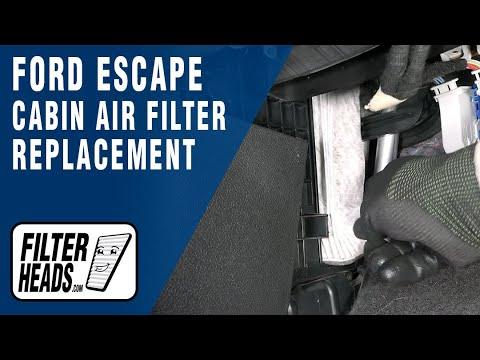
You’ll be replacing the cabin air filter, which cleans the air that comes through the vents into the interior of your Escape. On your Escape, it’s located behind the glove box on the passenger side.
Difficulty Level: Beginner | Estimated Time: 15-25 minutes
⚠️ Safety & Precautions
- 🛑 Work with the ignition off and the key out of the vehicle.
- 🛑 Do not run the blower fan while the filter is removed.
- 🛑 Be gentle with plastic parts around the glove box to avoid breaking clips.
- 🛑 If you have dust allergies, wear a dust mask and safety glasses.
- 🛑 Battery disconnect is not required for this job.
🔧 Required Tools
You'll need the following tools for this repair:
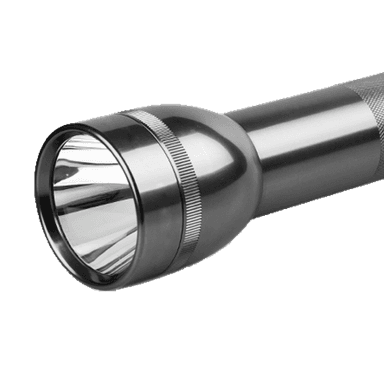
- 🧰 Flashlight
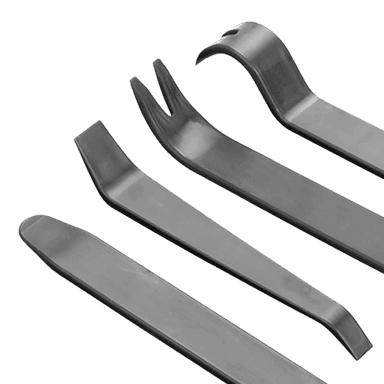
- 🧰 Flat trim tool (plastic)
- 🧰 Shop vacuum
- 🧰 Disposable gloves
- 🧰 Safety glasses
🔩 Required Parts
HowToo sells all the parts you need for this repair:
- 📦 Cabin air filter (2019 Escape, single-zone HVAC) - Qty: 1
- 📦 Interior disinfectant spray (optional) - Qty: 1
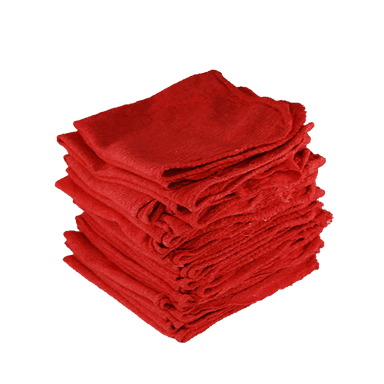
- 📦 Shop towels - Qty: 1 pack
📋 Before You Begin
- 🚗 Park your Escape on level ground and set the parking brake.
- 🔑 Turn the ignition completely off and remove the key.
- 🪟 Close all doors so the interior lights eventually time out.
- 🧺 Empty the glove box so nothing falls out when you lower it.
🔨 Step-by-Step Instructions
Follow these steps in order:
Step 1: Open and lower the glove box
- Open the glove box on the passenger side fully by hand.
- On the right side of the glove box, find the small arm (damper) that slows the glove box when it opens.
- Use your flat trim tool (plastic) to gently pry the arm off its pin on the glove box. Do not force metal tools here.
Step 2: Release the glove box stops
- The glove box has two built‑in stops on the left and right sides that prevent it from dropping down.
- With one hand, press the left side of the glove box inward so the stop clears the dash opening.
- Repeat on the right side, pressing inward so that side’s stop also clears.
- Let the glove box swing down and hang toward the floor; support it with your hand so it doesn’t drop suddenly.
Step 3: Locate the cabin air filter cover
- Shine your flashlight behind the lowered glove box; you’ll see a rectangular black plastic cover on the HVAC housing (this is the cabin filter door).
- Look for small side tabs or clips along the front edge of the cover.
Step 4: Remove the cabin filter cover
- Use your fingers or the flat trim tool (plastic) to gently press or pry the side tabs inward.
- Pull the cover straight toward you to remove it. Set it aside somewhere safe.
Step 5: Remove the old cabin air filter
- Note the airflow arrow on the old filter before pulling it out; on your Escape it should point downward (air flows from top to bottom).
- Grip the exposed edge and slowly slide the filter out toward you.
- If it catches, wiggle it gently side to side; do not bend it too hard to avoid tearing debris into the housing.
- Inspect the old filter. You’ll likely see dust, leaves, and maybe black soot.
Step 6: Clean the filter housing area
- Use your shop vacuum with a small nozzle to carefully vacuum any loose debris in the filter opening and just inside the housing.
- If you use interior disinfectant spray, lightly mist into the opening following the product directions. Do not soak components.
Step 7: Install the new cabin air filter
- Take your new cabin air filter out of its packaging.
- Find the printed airflow arrow on the new filter.
- On your Escape, install the new filter with the airflow arrow pointing down (toward the floor).
- Slide the filter straight into the slot, keeping it square. It may fit a little snugly; gently flex only as needed.
- Push it fully in until the front edge is flush with the housing.
Step 8: Reinstall the filter cover
- Align the cabin filter cover with the opening.
- Hook any bottom tabs first (if present), then swing the cover up.
- Press until the side clips snap securely into place; you should feel or hear a click.
Step 9: Reinstall and close the glove box
- Lift the glove box back toward its normal position.
- Press the left and right sides of the glove box inward again so the stops can move back past the dash opening.
- Let the sides go so the stops rest on their ledges inside the dash.
- Reattach the small damper arm on the right side by snapping it back onto its pin by hand.
- Open and close the glove box a few times to make sure it moves smoothly and doesn’t fall freely.
✅ After Repair
- 🔄 Start the engine and turn on the blower fan at different speeds. Verify normal airflow and that there are no unusual noises from the passenger side dash.
- 👃 Switch between outside air and recirculation modes and check for any odd smells; a new filter may have a slight “new” odor at first.
- 🧹 Make a note to replace the cabin filter about every 15,000–20,000 miles, or sooner if you drive in heavy traffic and dust (common around Los Angeles).
💰 DIY vs Shop Cost
Shop Cost: $80–$140 (parts + labor)
DIY Cost: $20–$45 (parts only)
You Save: $60–$100 by doing it yourself!
Shop labor rates vary but typically run $100–$150/hour. This repair takes a shop approximately 0.3–0.5 hours.
🎯 Ready to get started?
HowToo makes it easy: same-day/2-day shipping on every part, plus all the tools and specialty tools you need! Check out the parts and tools sections above to add everything to your cart.