











How to Replace the Cabin Air Filter on a 2016 Mercedes-Benz GLC300
Step-by-step DIY instructions with tools needed, filter tips, and reassembly checks for better HVAC airflow for 2016, 2019, 2020, 2021, 2022, 2023, 2024, 2025
How to Replace the Cabin Air Filter on a 2016 Mercedes-Benz GLC300
Step-by-step DIY instructions with tools needed, filter tips, and reassembly checks for better HVAC airflow for 2016, 2019, 2020, 2021, 2022, 2023, 2024, 2025


🔧 GLC300 - Cabin Air Filter Replacement
Your A/C and heat pull air through the cabin air filter before it enters the vents. Replacing a dirty filter improves airflow, reduces musty smells, and helps keep dust/pollen out of the cabin.
Difficulty Level: Beginner | Estimated Time: 0.5-1.0 hours
⚠️ Safety & Precautions
- ⚠️ Turn the ignition OFF and remove the key/fob from the vehicle.
- ⚠️ Be gentle with glovebox/trim clips—forcing parts can crack them.
- ⚠️ No battery disconnect is required for this job.
🔧 Required Tools
You'll need the following tools for this repair:
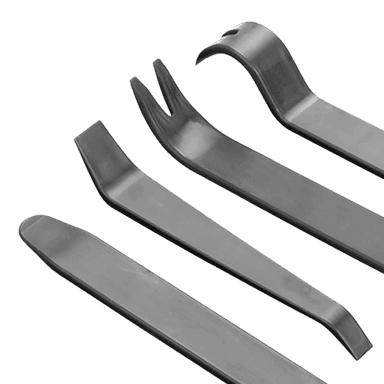
- Trim removal tool (plastic)
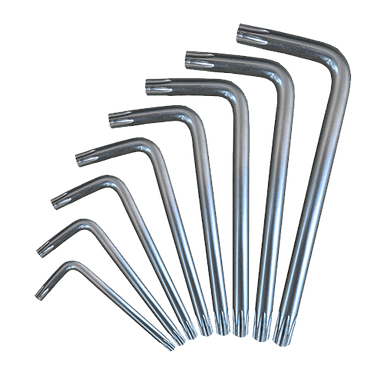
- Torx T20 screwdriver
- Torx T25 screwdriver
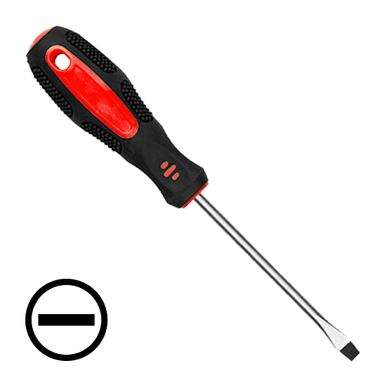
- Small flat-blade screwdriver
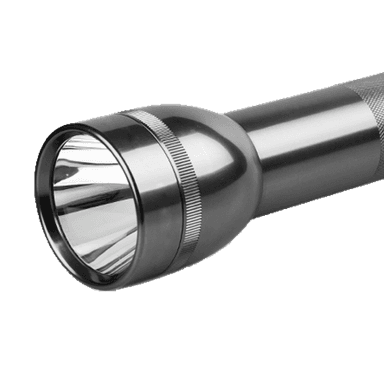
- Flashlight
- Shop vacuum
- Nitrile gloves
- Safety glasses
🔩 Required Parts
HowToo sells all the parts you need for this repair:
- Cabin air filter (charcoal/activated carbon recommended) - Qty: 1
📋 Before You Begin
- Park on level ground and set the parking brake.
- Move the front passenger seat back for working room.
- Tip: Take a quick photo before removing clips.
🔨 Step-by-Step Instructions
Follow these steps in order:
Step 1: Access the passenger footwell area
- Open the glovebox and remove any items so nothing falls out.
- Use a flashlight to look under the glovebox (passenger footwell) for the lower hush panel (the cover under the dash).
Step 2: Remove the under-dash (hush) panel
- Use a Torx T20 screwdriver to remove the visible screws holding the lower panel.
- If there are plastic push-clips, pry the center pin out gently with a small flat-blade screwdriver, then lift the clip out with the trim removal tool (plastic).
- Lower the panel carefully. If a footwell light is attached, unplug the connector by pressing the tab and pulling it off (no tools needed).
- Tip: Support the panel so it doesn’t hang by wiring.
Step 3: Locate the cabin filter cover
- With the panel removed, look upward toward the HVAC housing (the black plastic box under the dash).
- Find the rectangular cabin filter cover. It typically uses small Torx screws or sliding tabs depending on build.
Step 4: Remove the filter cover
- If your cover uses screws, remove them with a Torx T20 screwdriver (some covers may use Torx T25 screwdriver).
- If your cover uses tabs, release them carefully with the trim removal tool (plastic) and/or small flat-blade screwdriver.
- Set the cover and screws aside in a small pile so they don’t get lost.
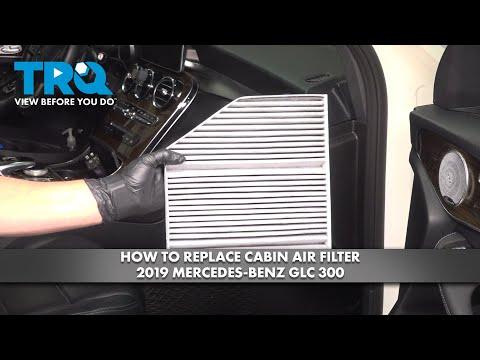
Step 5: Remove the old cabin air filter
- Wear nitrile gloves and safety glasses.
- Slide the old filter straight out. Keep it level—dirty filters can spill dust and leaves.
- Use a shop vacuum to gently clean loose debris in the filter tray (do not vacuum deep into the blower opening).
- Tip: If you see leaves, vacuum them before installing new filter.
Step 6: Install the new cabin air filter
- Check for the airflow arrow on the filter frame. Install it in the same direction as the old one (the arrow shows which way air flows).
- Slide the new filter in fully so it sits flat and the edges seal.
- If it won’t slide in easily, don’t force it—pull it back out and make sure it’s not tilted or catching on an edge.
Step 7: Reinstall the filter cover
- Refit the cover in the same orientation as removed.
- Install screws using a Torx T20 screwdriver (or Torx T25 screwdriver if applicable) and snug them evenly.
- Tip: “Snug” means tight but not over-tight.
Step 8: Reinstall the hush panel
- Reconnect any unplugged footwell light connector (push until it clicks).
- Position the panel and reinstall screws using a Torx T20 screwdriver.
- Reinstall push-clips: insert the clip body first, then press the center pin in flush using your finger or the trim removal tool (plastic).
✅ After Repair
- Start your A/C and fan. Confirm airflow feels stronger and there are no rattles.
- Cycle through vent modes (face/feet/defrost) to ensure everything sounds normal.
- If you had a musty smell, run the fan for a few minutes with A/C on to help dry the evaporator.
💰 DIY vs Shop Cost
Shop Cost: $120-$220 (parts + labor)
DIY Cost: $20-$60 (parts only)
You Save: $100-$160 by doing it yourself!
Shop labor rates vary but typically run $100-$150/hour. This repair takes a shop approximately 0.5-1.0 hours.
🎯 Ready to get started?
HowToo makes it easy: same-day/2-day shipping on every part, plus all the tools and specialty tools you need! Check out the parts and tools sections below to add everything to your cart.