













How to Replace the Battery on a 2017 Toyota Tacoma (Step-by-Step DIY)
Complete 2017 Tacoma battery change guide with tools, parts list, torque specs, safety tips, and cost savings breakdown
How to Replace the Battery on a 2017 Toyota Tacoma (Step-by-Step DIY)
Complete 2017 Tacoma battery change guide with tools, parts list, torque specs, safety tips, and cost savings breakdown


🔧 Tacoma - Main Battery Replacement
You’ll be replacing the main 12‑volt battery under the hood of your Tacoma. This restores reliable starting and protects sensitive electronics from low-voltage issues.
Difficulty Level: Beginner | Estimated Time: 30–45 minutes
⚠️ Safety & Precautions
- ⚠️ Always turn the engine off, remove the key, and set the parking brake before working.
- ⚠️ Batteries are heavy and contain acid; wear eye and hand protection and keep them upright.
- ⚠️ Always disconnect the negative (–) terminal first and reconnect it last to avoid short circuits.
- ⚠️ Do not touch both battery terminals at the same time with tools or hands.
- ⚠️ Keep metal tools away from the battery posts and nearby fuses and wiring.
- Battery disconnect is required for this job; you may lose radio presets and clock settings.
🔧 Required Tools
You'll need the following tools for this repair:
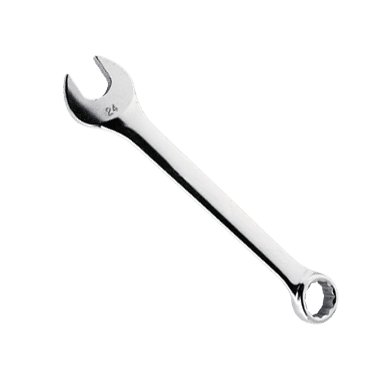
- 🔧 10mm combination wrench
- 🔧 10mm socket
- 🔧 12mm socket
- 🔧 1/4" drive ratchet
- 🔧 3/8" drive ratchet
- 🔧 3" socket extension
- 🔧 Battery terminal cleaner brush
- 🔧 Small wire brush
- 🔧 Safety glasses
- 🔧 Mechanic gloves
- 🔧 Shop rags
🔩 Required Parts
HowToo sells all the parts you need for this repair:
- 🔩 12V starting battery (Group size matching Tacoma, AGM or flooded) - Qty: 1
- 🔩 Battery terminal anti-corrosion pads - Qty: 2
- 🔩 Battery terminal protectant spray - Qty: 1
- 🔩 Battery hold-down hardware kit - Qty: 1 (only if your original is rusted or damaged)
- 🔩 Memory saver device - Qty: 1 (optional, to keep radio/ECU memory)
📋 Before You Begin
- Park your Tacoma on level ground, shift to neutral (manual) or park, and set the parking brake.
- Turn off all lights and accessories, and remove the key from the ignition.
- If using a memory saver (a small device that keeps power to electronics through the OBD port or 12V outlet), plug it in now and follow its instructions.
- Open the hood and secure it with the prop rod.
🔨 Step-by-Step Instructions
Follow these steps in order:
Step 1: Locate the battery and inspect the area
- Open the hood and look at the front right (passenger side) area of the engine bay; the battery is a large rectangular box with two cables attached.
- Check how the battery is held in place: on this Tacoma there is a metal top bracket with two long rods, or a side clamp depending on build.
- Take a quick photo so you remember cable positions.
Step 2: Identify positive and negative terminals
- The positive (+) terminal usually has a red cover and thicker wiring going to the fuse box.
- The negative (–) terminal usually has a black cable going to the body or engine metal.
- Make sure you can clearly see which is which before loosening anything.
Step 3: Disconnect the negative (–) terminal first
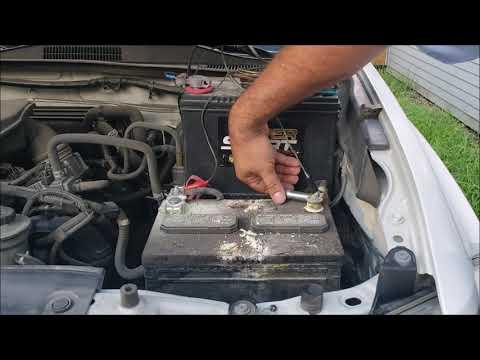
- Use the 10mm combination wrench or 10mm socket with 1/4" drive ratchet to loosen the nut on the negative terminal clamp.
- Loosen just enough so the clamp can move; do not remove the nut completely.
- Gently twist the clamp side to side and lift it off the battery post.
- Wrap the loose negative clamp in a shop rag and tuck it away from the battery so it cannot spring back onto the post.
- Negative off first reduces risk of short circuits.
Step 4: Disconnect the positive (+) terminal
- Flip open or slide back the red plastic cover on the positive terminal.
- Use the 10mm combination wrench or 10mm socket again to loosen the positive clamp nut.
- Gently twist and pull the positive clamp up and off the post.
- Move it aside carefully; avoid touching any metal body parts with the metal clamp.
Step 5: Remove the battery hold-down bracket
- On most Tacomas, there is a metal bar across the top of the battery with two hooked rods going down.
- Use a 12mm socket with 3/8" drive ratchet and 3" extension to loosen and remove the nuts on the hold-down rods.
- Lift off the top bracket and carefully pull the rods out from their lower hooks.
- Set the bracket, rods, and nuts aside in a safe place.
- The hold-down nuts typically tighten to 18 Nm (13 ft-lbs) during reassembly.
Step 6: Lift out the old battery
- Check if the battery has a built-in handle; if yes, pull it up using the handle.
- If no handle, grip the battery firmly at the sides with both hands and lift straight up.
- Batteries are heavy; lift with your legs and keep your back straight.
- Set the old battery on the ground in an upright position.
Step 7: Clean the battery tray and terminals
- Inspect the plastic battery tray for dirt, leaves, or corrosion; wipe it clean with shop rags.
- If there is white or green powdery corrosion on the cable ends, use the battery terminal cleaner brush or small wire brush to clean the inside of each cable clamp.
- Do not breathe dust; wipe gently and avoid blowing.
- Make sure metal contact surfaces are shiny and free of heavy corrosion.
Step 8: Place the new battery in position
- Carefully lower the new battery into the tray in the same orientation as the old one: positive and negative posts must line up with their cables.
- Ensure the battery sits flat and fully into the tray without rocking.
- If using anti-corrosion pads, place one over each battery post before connecting terminals.
Step 9: Reinstall the battery hold-down bracket
- Reinstall the lower hooks of the hold-down rods into their slots.
- Place the metal top bracket across the battery.
- Install the nuts by hand on the rods, then snug them using the 12mm socket with 3/8" ratchet.
- Do not over-tighten; tighten evenly until the battery cannot move by hand, then torque the nuts to 18 Nm (13 ft-lbs).
Step 10: Connect the positive (+) terminal
- Place the positive clamp fully down on the positive battery post.
- Use the 10mm combination wrench or 10mm socket to tighten the clamp nut.
- Hold the clamp down as you tighten so it seats fully on the post.
- Do not over-tighten; snug it until it does not twist by hand, then torque to about 5 Nm (44 in-lbs) if you have a small torque wrench.
- Close the red plastic cover over the positive terminal.
Step 11: Connect the negative (–) terminal last
- Unwrap the negative cable clamp from the rag and place it fully down on the negative post.
- Use the 10mm combination wrench or 10mm socket to tighten the clamp nut.
- Again, tighten until the clamp cannot be twisted by hand; target torque is about 5 Nm (44 in-lbs).
- Small clamps can crack if massively over-tightened.
Step 12: Protect the terminals
- Spray a light coat of battery terminal protectant spray on both terminals and clamps.
- Wipe away any excess from plastic parts or painted surfaces.
✅ After Repair
- Start your Tacoma and make sure it cranks quickly and runs smoothly.
- Check that the battery is not moving by trying to rock it by hand.
- Verify that the headlights, interior lights, and blower fan work normally.
- Reset the clock and re-enter your radio presets if they were lost.
- Take a short drive and ensure there are no warning lights on the dash (a brief ABS or traction light at startup can be normal and should go away quickly).
- Dispose of the old battery at an auto parts store or recycling center; most places accept them for free and may give a core credit.
💰 DIY vs Shop Cost
Shop Cost: $250–$350 (parts + labor)
DIY Cost: $150–$220 (battery + supplies)
You Save: $100–$150 by doing it yourself!
Shop labor rates typically run $100–$150/hour. This repair takes a shop approximately 0.3–0.5 hours.
🎯 Ready to get started?
HowToo makes it easy: same-day/2-day shipping on every part, plus all the tools and specialty tools you need! Check out the parts and tools sections above to add everything to your cart.