
















How to Replace the Battery on a 2016 Volkswagen Beetle
Step-by-step instructions with tools, parts, safety tips, and torque specs
How to Replace the Battery on a 2016 Volkswagen Beetle
Step-by-step instructions with tools, parts, safety tips, and torque specs


🔧 Battery - Replacement
Your Beetle’s 12V battery is straightforward to replace, but you need to disconnect it in the correct order and secure the new battery tightly so it doesn’t move. If your car has a battery monitoring system, a scan tool battery reset/adaptation may be helpful after installation.
Difficulty Level: Beginner | Estimated Time: 0.5-1 hour
⚠️ Safety & Precautions
- Wear safety glasses and gloves. Battery acid and sparks can cause injury.
- Turn the ignition off, remove the key, and keep all doors closed before disconnecting power.
- Disconnect the negative terminal first and reconnect it last.
- Do not let a wrench touch both battery terminals at the same time.
- Keep metal tools away from the battery positive terminal and body metal.
- If your radio or settings matter to you, use a memory saver before disconnecting the battery.
🔧 Required Tools
You'll need the following tools for this repair:
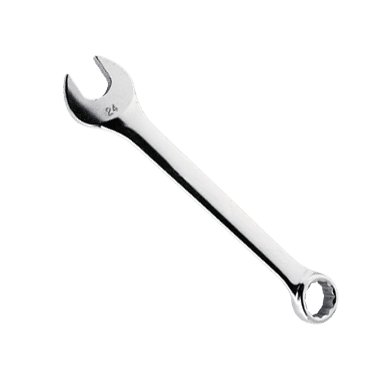
- 10mm wrench
- 13mm socket
- Ratchet
- Short extension
- Battery terminal puller (specialty)
- Battery memory saver
- Safety glasses
- Mechanic gloves
- Torque wrench
- Shop towel
🔩 Required Parts
HowToo sells all the parts you need for this repair:
- 12V replacement battery - Qty: 1
- Battery terminal protector spray - Qty: 1
- Battery hold-down hardware - Qty: 1 if damaged or corroded
📋 Before You Begin
- Park on a level surface and set the parking brake.
- Open the hood and make sure you have the radio code and presets if needed.
- If using a memory saver, connect it before disconnecting the battery.
- Let the engine bay cool down if the car was recently driven.
🔨 Step-by-Step Instructions
Follow these steps in order:
Step 1: Locate the battery
- Open the hood and find the battery in the engine bay.
- Remove any plastic cover if equipped. Use your hands first; if needed, use a trim tool carefully.
Step 2: Disconnect the negative terminal
- Use the 10mm wrench to loosen the negative cable clamp.
- Lift the negative cable off the battery post and move it aside so it cannot touch the battery.
- Remove the negative side first.
Step 3: Disconnect the positive terminal
- Use the 10mm wrench to loosen the positive cable clamp or terminal fastener.
- Remove the positive cable and keep it from touching metal.
Step 4: Remove the battery hold-down
- Use the 13mm socket, ratchet, and short extension to remove the battery hold-down bolt.
- Take out the hold-down bracket and set the hardware aside.
- Torque for installation: tighten the hold-down to 15 Nm (11 ft-lbs).
Step 5: Lift out the old battery
- Lift the battery straight up with both hands. It is heavy.
- Keep it upright to avoid spilling acid.
- Place it on a stable surface.
Step 6: Clean the tray and terminals
- Use a shop towel to wipe the battery tray and cable ends.
- If there is corrosion, clean it before installing the new battery.
- Clean connections help starting.
Step 7: Install the new battery
- Set the new battery in the tray in the same orientation as the old one.
- Reinstall the hold-down bracket using the 13mm socket and ratchet.
- Torque the hold-down to 15 Nm (11 ft-lbs).
Step 8: Reconnect the positive terminal
- Install the positive cable first.
- Use the 10mm wrench to tighten the clamp snugly.
- Torque to 6 Nm (53 in-lbs) if a torque spec is practical on your clamp style.
Step 9: Reconnect the negative terminal
- Install the negative cable last.
- Use the 10mm wrench to tighten the clamp snugly.
- Torque to 6 Nm (53 in-lbs) if applicable.
- Apply a light coat of battery terminal protector spray to help slow corrosion.
Step 10: Verify operation
- Start the engine and check for normal cranking and dash warnings.
- Make sure the battery is firmly secured and the cables do not move.
✅ After Repair
- Reset the clock, radio presets, and any convenience settings.
- If warning lights stay on, drive the car for a short trip and recheck.
- If equipped with battery monitoring, a scan tool battery adaptation/reset may be needed.
- Recheck terminal tightness after the first drive.
💰 DIY vs Shop Cost
Shop Cost: $220-$450 (parts + labor)
DIY Cost: $120-$250 (parts only)
You Save: $100-$200 by doing it yourself!
Shop labor rates vary but typically run $100-$150/hour. This repair takes a shop approximately 0.5-1 hour.
🎯 Ready to get started?
HowToo makes it easy: same-day/2-day shipping on every part, plus all the tools and specialty tools you need! Check out the parts and tools sections below to add everything to your cart.