









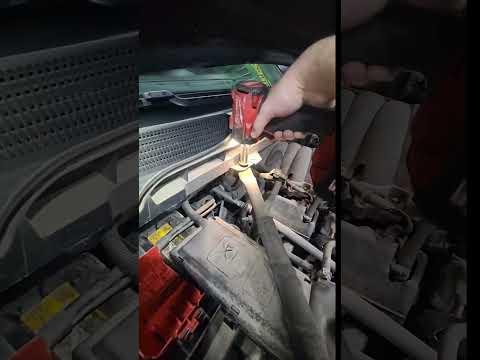






How to Replace the Battery on a 2014 Chevrolet Silverado 1500 (Step-by-Step)
Tools, parts, safety tips, and torque specs for disconnecting and reconnecting terminals correctly for 2007, 2008, 2009, 2010, 2011, 2012, 2013
How to Replace the Battery on a 2014 Chevrolet Silverado 1500 (Step-by-Step)
Tools, parts, safety tips, and torque specs for disconnecting and reconnecting terminals correctly for 2007, 2008, 2009, 2010, 2011, 2012, 2013


🔧 Battery - Replacement
Your Silverado’s battery provides power to start the engine and run electronics. Replacing it is straightforward, but the key is disconnecting and reconnecting the cables in the correct order to avoid sparks or electrical damage.
Difficulty Level: Beginner | Estimated Time: 0.5-1.0 hours
⚠️ Safety & Precautions
- ⚠️ Turn the truck OFF, remove the key, and keep it away from the vehicle.
- ⚠️ Do not let a tool touch both battery terminals (or terminal and metal) at the same time.
- ⚠️ Disconnect the negative (-) cable first and reconnect it last to reduce spark risk.
- ⚠️ Batteries are heavy and can leak acid—wear gloves and eye protection.
- ⚠️ No battery “registration” is required on your Silverado after replacement.
🔧 Required Tools
You'll need the following tools for this repair:
- 10mm socket
- 13mm socket
- 3/8" ratchet
- 6" extension for 3/8" ratchet
- Torque wrench (inch-pound)
- Torque wrench (foot-pound)
- Battery terminal brush (specialty)
- Gloves (chemical-resistant)
- Safety glasses
🔩 Required Parts
HowToo sells all the parts you need for this repair:
- Battery (correct group size for Silverado) - Qty: 1
- Battery terminal anti-corrosion washers - Qty: 2
- Battery terminal protectant spray - Qty: 1
📋 Before You Begin
- Park on level ground, shift to Park, and set the parking brake.
- Pop the hood and let the engine bay cool if it’s hot.
- If you want to keep radio presets, you can use a “memory saver” (a small device that powers the truck through the OBD port while the battery is out). Optional for this job.
🔨 Step-by-Step Instructions
Follow these steps in order:
Step 1: Access the battery
- Open the hood and locate the battery on the passenger side of the engine bay.
- If any plastic cover or air duct is in the way, remove it using the appropriate fasteners with a 10mm socket and 3/8" ratchet.
Step 2: Disconnect the negative (-) cable first
- Find the negative (-) battery terminal (usually marked “-” and/or has a black cable).
- Use a 10mm socket with a 3/8" ratchet to loosen the terminal clamp nut.
- Twist and lift the clamp straight up off the battery post.
- Tuck the cable end aside so it can’t spring back and touch the terminal.
Step 3: Disconnect the positive (+) cable
- Find the positive (+) terminal (usually marked “+” and/or has a red cover).
- Flip open/remove the red protective cover if equipped.
- Use a 10mm socket with a 3/8" ratchet to loosen the terminal clamp nut.
- Lift the clamp straight up off the post and move it aside so it can’t touch metal.
Step 4: Remove the battery hold-down
- Locate the battery hold-down at the base of the battery.
- Use a 13mm socket with a 3/8" ratchet and 6" extension to remove the hold-down bolt(s).
- Remove the hold-down bracket and set it aside.
Step 5: Remove the old battery
- Lift the battery straight up and out. Batteries are heavy—use safe lifting posture.
- Set the old battery upright on the ground.
Step 6: Clean the terminals and battery tray
- If you see white/blue buildup, that’s corrosion.
- Use a battery terminal brush (specialty) to clean the inside of the cable clamps and the battery posts.
- Wipe the tray area clean (keep debris out of the engine bay).
- Install battery terminal anti-corrosion washers onto the new battery posts.
- Clean metal = better starting.
Step 7: Install the new battery and secure it
- Place the new battery into the tray in the same orientation as the old one.
- Reinstall the hold-down bracket and start the bolt by hand to avoid cross-threading.
- Tighten using a 13mm socket and 3/8" ratchet.
- Torque to 15 Nm (11 ft-lbs) using a torque wrench (foot-pound).
Step 8: Reconnect the positive (+) cable first
- Push the positive clamp fully down onto the positive post.
- Tighten the clamp using a 10mm socket and 3/8" ratchet.
- Torque to 10 Nm (89 in-lbs) using a torque wrench (inch-pound).
- Reinstall/close the red protective cover if equipped.
Step 9: Reconnect the negative (-) cable last
- Push the negative clamp fully down onto the negative post.
- Tighten the clamp using a 10mm socket and 3/8" ratchet.
- Torque to 10 Nm (89 in-lbs) using a torque wrench (inch-pound).
Step 10: Protect and recheck
- Lightly spray the terminals with battery terminal protectant spray.
- Grab each cable end and confirm it’s tight (it should not rotate by hand).
- Reinstall any covers/ducts removed earlier using a 10mm socket.
✅ After Repair
- Start the engine and confirm normal cranking speed.
- Check for warning lights; if any appear, shut off and recheck terminal tightness.
- Reset the clock and radio presets if they were lost.
- Dispose of the old battery properly—most parts stores give a core credit.
💰 DIY vs Shop Cost
Shop Cost: $250-$450 (parts + labor)
DIY Cost: $170-$320 (parts only)
You Save: $80-$180 by doing it yourself!
Shop labor rates vary but typically run $100-$150/hour. This repair takes a shop approximately 0.5-1.0 hours.
🎯 Ready to get started?
HowToo makes it easy: same-day/2-day shipping on every part, plus all the tools and specialty tools you need! Check out the parts and tools sections below to add everything to your cart.