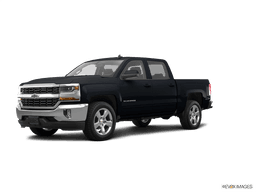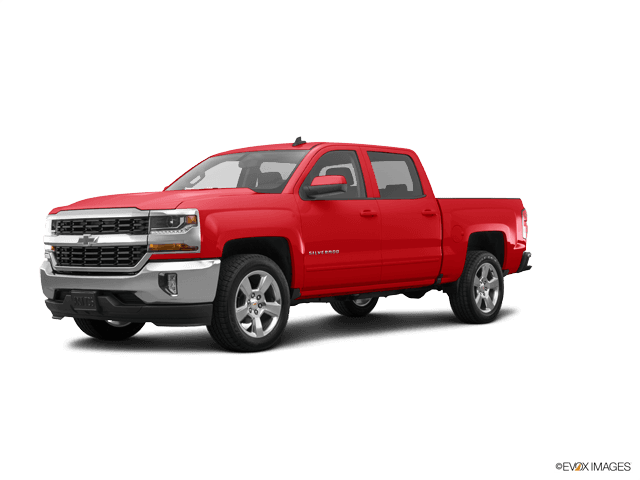









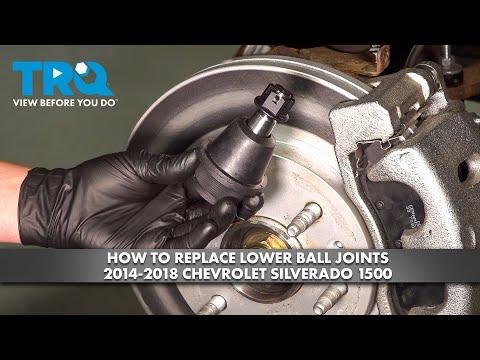







How to Replace the Ball Joints on a 2018 Chevrolet Silverado 1500
Step-by-step suspension repair with tools, parts, safety tips, and alignment guidance
How to Replace the Ball Joints on a 2018 Chevrolet Silverado 1500
Step-by-step suspension repair with tools, parts, safety tips, and alignment guidance


🔧 Ball Joints - Replacement
On your Silverado, the front ball joints are a major steering and suspension wear item. Replacing them restores tight steering, reduces clunks and tire wear, and keeps the front end safe and stable.
Difficulty Level: Advanced | Estimated Time: 4-8 hours
⚠️ Safety & Precautions
- Support the truck on jack stands. Never work under a vehicle supported only by a jack.
- Use wheel chocks on the rear tires.
- The front suspension must be unloaded before separating ball joints.
- Expect the steering knuckle and control arm to shift when the joint releases.
- An alignment is required after this repair.
- If your truck has ABS sensor wiring routed near the knuckle, keep it clear and do not pull on the harness.
🔧 Required Tools
You'll need the following tools for this repair:
- Floor jack (rated 3-ton minimum)
- Jack stands
- Wheel chocks
- Safety glasses
- Mechanic gloves
- Breaker bar
- Torque wrench
- Metric socket set
- Metric wrench set
- Ratchet
- Ball joint separator tool (specialty)
- Ball joint press kit (specialty)
- Hammer
- Penetrating oil
- Wire brush
- Needle-nose pliers
- Snap ring pliers
- Paint marker
🔩 Required Parts
HowToo sells all the parts you need for this repair:
- Front upper ball joint - Qty: 2
- Front lower ball joint - Qty: 2
- Ball joint hardware kit - Qty: 1
- Control arm cam bolt hardware - Qty: 1 set
- Grease - Qty: 1 tube
📋 Before You Begin
- Park on a level surface.
- Set the parking brake.
- Chock the rear wheels.
- Loosen the front wheel lug nuts before lifting.
- If the truck has aftermarket suspension parts, note their position before removal.
- Take pictures before each major step.
🔨 Step-by-Step Instructions
Follow these steps in order:
Step 1: Lift and secure the front end
- Use a breaker bar to slightly loosen the front lug nuts.
- Raise the front of the truck with a floor jack (rated 3-ton minimum).
- Place the frame securely on jack stands.
- Remove both front wheels with a lug wrench.
Step 2: Remove the brake and hub area components
- Use the correct metric socket set and ratchet to remove the brake caliper bolts.
- Hang the caliper with a strong wire or bungee so the hose is not stretched.
- Remove the brake rotor if needed for access.
- Move the ABS wire and brake hose clips out of the way carefully.
Step 3: Separate the steering linkage
- Use a metric wrench set and metric socket set to remove the outer tie rod nut from the steering knuckle.
- Use a ball joint separator tool (specialty) to pop the tie rod end free.
- Do not hammer the stud threads directly.
Step 4: Remove the upper and lower ball joint fasteners
- Use the metric socket set and ratchet to remove the upper and lower ball joint retaining hardware.
- If the joints are pressed into the control arms, clean the area with a wire brush and spray penetrating oil on the press surfaces.
- Remove cotter pins with needle-nose pliers if equipped.
Step 5: Separate the steering knuckle
- Support the knuckle so it does not fall when the joints release.
- Use a ball joint separator tool (specialty) or a hammer and separator wedge if needed.
- Lower the control arm carefully with the floor jack to relieve spring pressure.
- Remove the steering knuckle from the control arms.
Step 6: Press out the old ball joints
- Use the ball joint press kit (specialty) to press the old joints out of the control arms.
- Choose the correct adapters from the press kit before applying force.
- Remove any snap ring with snap ring pliers if the joint uses one.
- Keep the press square to the joint.
Step 7: Install the new ball joints
- Clean the bores with a wire brush and wipe them dry.
- Use the ball joint press kit (specialty) to press the new joints into place.
- Install any snap rings with snap ring pliers.
- Install the supplied hardware and tighten to the manufacturer specification for your replacement parts.
Step 8: Reassemble the knuckle and suspension
- Position the steering knuckle back onto the ball joints.
- Use the metric socket set and torque wrench to tighten the ball joint nuts.
- Use the torque wrench for all suspension fasteners.
- Torque to OEM specification for the upper and lower ball joint fasteners and cotter pins, if equipped.
Step 9: Reconnect steering and brakes
- Reinstall the tie rod end and tighten with the torque wrench.
- Reinstall the rotor and caliper with the metric socket set.
- Torque to OEM specification for caliper bolts and tie rod hardware.
- Make sure the ABS wire clips are fully seated.
Step 10: Reinstall the wheels and set the truck down
- Install the wheels and hand-tighten the lug nuts.
- Lower the truck with the floor jack.
- Use the torque wrench to tighten the lug nuts in a star pattern.
- Torque to OEM specification for the lug nuts.
✅ After Repair
- Pump the brake pedal before moving the truck.
- Check for loose hardware and missing cotter pins.
- Turn the steering wheel lock-to-lock and listen for rubbing or clunks.
- Drive slowly at first and confirm the steering feels normal.
- Schedule a front-end alignment as soon as possible.
💰 DIY vs Shop Cost
Shop Cost: $700-$1,400 (parts + labor)
DIY Cost: $180-$450 (parts only)
You Save: $500-$950 by doing it yourself!
Shop labor rates vary but typically run $100-$150/hour. This repair takes a shop approximately 4-8 hours.
🎯 Ready to get started?
HowToo makes it easy: same-day/2-day shipping on every part, plus all the tools and specialty tools you need! Check out the parts and tools sections below to add everything to your cart.