









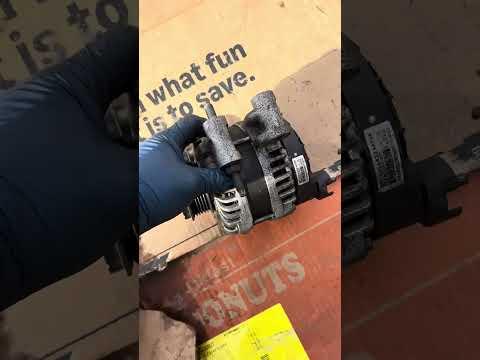







How to Replace the Alternator on a 2020 Chevrolet Traverse (DIY Guide)
Step-by-step alternator replacement with required tools, parts list, safety tips, and post-repair charging checks
How to Replace the Alternator on a 2020 Chevrolet Traverse (DIY Guide)
Step-by-step alternator replacement with required tools, parts list, safety tips, and post-repair charging checks


🔧 Traverse - Alternator Replacement
On your Traverse, the alternator is belt-driven and powers the electrical system while charging the battery. The exact access path and a few fasteners/torque specs can change depending on drivetrain and equipment, so I want to confirm two details before I walk you through the exact, trim-correct steps.
Difficulty Level: Intermediate | Estimated Time: 2.0-4.0 hours
⚠️ Safety & Precautions
- 🛑 Disconnect the negative battery cable before touching the alternator wiring to prevent a short.
- 🧊 Let the engine cool; you’ll work near hot exhaust and coolant components.
- 🪝 Support the vehicle securely on jack stands if the procedure requires underside access.
🔧 Required Tools
You'll need the following tools for this repair:
- Floor jack (rated 3-ton minimum)
- Jack stands (rated 3-ton minimum)
- Wheel chocks
- Safety glasses
- Mechanic gloves
- Socket set 8mm-18mm
- Ratchet 3/8" drive
- Ratchet 1/2" drive
- Torque wrench 10-200 Nm
- Breaker bar 1/2" drive
- Serpentine belt tool
- Trim clip removal tool
- Flat-blade screwdriver
- Pliers
- Work light
🔩 Required Parts
HowToo sells all the parts you need for this repair:
- Alternator - Qty: 1
- Serpentine belt - Qty: 1
- Belt tensioner - Qty: 1
📋 Before You Begin
- 🧭 Please confirm: is your Traverse AWD or FWD?
- 🧭 Please confirm: does your Traverse have Auto Stop/Start?
- Park on level ground, shift to Park, and set the parking brake.
- Disconnect the negative battery cable using a socket/wrench (terminals are typically 10mm). Remove negative first, install negative last.
🔨 Step-by-Step Instructions
Follow these steps in order:
Step 1: Confirm drivetrain/equipment (needed for exact steps)
- Reply with: AWD or FWD, and Auto Stop/Start: Yes/No.
- Once confirmed, I’ll provide the exact access route (top-side vs wheel-well/underbody), connector handling, and the correct Torque to XX Nm (YY ft-lbs) values for your configuration.
✅ After Repair
- Start the engine and confirm the battery/charging warning light is off.
- Check for belt noise (squeal) and verify the belt is centered on every pulley.
- If you have Auto Stop/Start, confirm it functions normally after a short drive.
💰 DIY vs Shop Cost
Shop Cost: $650-$1,200 (parts + labor)
DIY Cost: $250-$650 (parts only)
You Save: $400-$550 by doing it yourself!
Shop labor rates vary but typically run $100-$150/hour. This repair takes a shop approximately 2-4 hours.
🎯 Ready to get started?
HowToo makes it easy: same-day/2-day shipping on every part, plus all the tools and specialty tools you need! Check out the parts and tools sections below to add everything to your cart.