









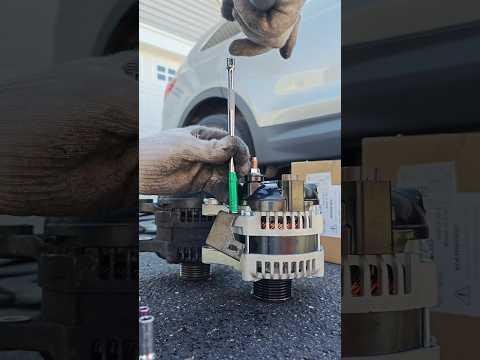





How to Replace the Alternator on a 2019 Hyundai Santa Fe XL (Step-by-Step Guide)
Tools, parts list, safety tips, belt routing notes, and post-install charging voltage checks for 2019
How to Replace the Alternator on a 2019 Hyundai Santa Fe XL (Step-by-Step Guide)
Tools, parts list, safety tips, belt routing notes, and post-install charging voltage checks for 2019


🔧 Santa Fe XL - Alternator Replacement
Replacing the alternator on your Santa Fe XL involves removing the serpentine belt, unplugging the alternator wiring, and unbolting the alternator from its bracket. The only thing that can change the exact procedure is the alternator mounting style and the factory torque specs for your exact fasteners.
Difficulty Level: Intermediate | Estimated Time: 2-4 hours
⚠️ Safety & Precautions
- 🛑 Disconnect the negative battery cable before touching the alternator wiring.
- 🔥 Let the engine cool completely; you’ll work near hot components.
- 🧤 Support the vehicle safely if you must access from below; never rely on a jack alone.
- ⚡ Do not allow tools to bridge the alternator power stud to ground.
🔧 Required Tools
You'll need the following tools for this repair:
- 10mm socket
- 12mm socket
- 14mm socket
- 3/8" drive ratchet
- 3/8" drive torque wrench
- 6" socket extension
- 12" socket extension
- Serpentine belt tool with 14mm socket (specialty)
- Trim clip removal tool
- Flathead screwdriver
- Needle-nose pliers
- Floor jack (rated 3-ton minimum)
- Jack stands (rated 3-ton minimum)
- Wheel chocks
- Safety glasses
- Mechanic gloves
- Work light
🔩 Required Parts
HowToo sells all the parts you need for this repair:
- Alternator - Qty: 1
- Serpentine belt - Qty: 1
- Dielectric grease - Qty: 1
📋 Before You Begin
- Park on level ground, shift to Park, and chock the rear wheels.
- Open the hood and locate the serpentine belt routing diagram (usually on the radiator support/underside of hood).
- Disconnect the battery negative terminal using a 10mm socket and set it aside so it can’t spring back.
🔨 Step-by-Step Instructions
Follow these steps in order:
Step 1: I need 2 quick details before I give bolt-by-bolt steps
- Please upload a clear photo of the alternator area (from above) and a photo of the belt routing diagram sticker.
- Do you have a factory torque spec source (service manual page or under-hood label)? If yes, upload a photo of the alternator/bracket torque page.
Step 2: Why I’m asking
- Hyundai used more than one alternator/bracket layout and access path on this platform, and the correct mounting bolt locations and Torque to XX Nm (YY ft-lbs) values must match your exact setup.
- Good photos let me guide you precisely.
✅ After Repair
- After installation, verify the belt is centered on every pulley and matches the routing diagram.
- Reconnect the battery, start the engine, and confirm the battery/charging warning light stays off.
- With a multimeter, confirm charging voltage at the battery is stable (typically mid-13V to mid-14V range at idle with minimal loads).
💰 DIY vs Shop Cost
Shop Cost: $600-$1,200 (parts + labor)
DIY Cost: $200-$600 (parts only)
You Save: $400-$600 by doing it yourself!
Shop labor rates vary but typically run $100-$150/hour. This repair takes a shop approximately 2-4 hours.
🎯 Ready to get started?
HowToo makes it easy: same-day/2-day shipping on every part, plus all the tools and specialty tools you need! Check out the parts and tools sections below to add everything to your cart.