









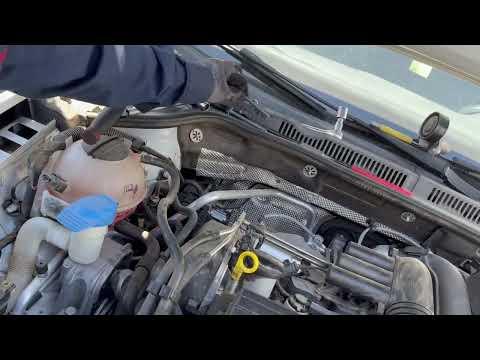



How to Replace the Alternator on a 2016 Volkswagen Jetta
Step-by-step instructions with tools, parts, safety tips, and torque specs for 2016, 2017, 2018
How to Replace the Alternator on a 2016 Volkswagen Jetta
Step-by-step instructions with tools, parts, safety tips, and torque specs for 2016, 2017, 2018


🔧 Alternator - Replacement
The alternator charges the battery and powers the electrical system while the engine runs. On your Jetta, replacement means removing the drive belt, electrical connections, and mounting hardware, then installing and torquing the new unit correctly.
Difficulty Level: Intermediate | Estimated Time: 2-4 hours
⚠️ Safety & Precautions
- Disconnect the negative battery terminal before starting. The charging cable at the alternator is always live.
- Keep hands, clothing, and tools clear of the belt path. The serpentine belt can pinch hard.
- Let the engine cool fully before working near the exhaust side of the engine bay.
- Support the vehicle securely if you raise the front for access.
- Do not short the alternator B+ terminal to ground.
🔧 Required Tools
You'll need the following tools for this repair:
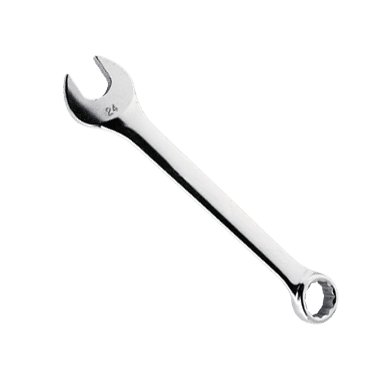
- 10mm wrench
- 13mm socket
- 16mm socket
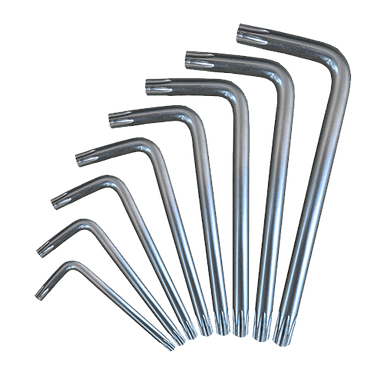
- Torx T25 screwdriver
- Torx T30 screwdriver
- Ratchet
- Long breaker bar
- Belt tensioner tool (specialty)
- Trim panel tool
- Floor jack (rated 3-ton minimum)
- Jack stands
- Safety glasses
- Nitrile gloves
🔩 Required Parts
HowToo sells all the parts you need for this repair:
- Alternator - Qty: 1
- Serpentine belt - Qty: 1
- Alternator mounting bolts - Qty: 1 set
- Alternator electrical terminal nut - Qty: 1
📋 Before You Begin
- Park on level ground and set the parking brake.
- Disconnect the negative battery terminal with a 10mm wrench.
- If the belt looks glazed, cracked, or noisy, replace it now.
- Take a photo of the belt routing before removal.
🔨 Step-by-Step Instructions
Follow these steps in order:
Step 1: Disconnect battery and open access
- Use a 10mm wrench to disconnect the negative battery terminal.
- Remove the upper engine cover if equipped by pulling it straight up.
- Remove any intake ducting that blocks access using a Torx T25 screwdriver or Torx T30 screwdriver, depending on your trim.
Step 2: Remove the serpentine belt
- Use a belt tensioner tool (specialty) or long breaker bar on the belt tensioner.
- Rotate the tensioner to release belt tension.
- Slip the belt off the alternator pulley first, then remove it from the other pulleys.
- Tip: Draw the belt path before removing it.
Step 3: Disconnect alternator wiring
- Remove the protective cap from the alternator B+ terminal.
- Use a 13mm socket to remove the main charge cable nut.
- Unplug the alternator electrical connector by pressing the lock tab and pulling it straight off.
- Move the wiring safely out of the way.
Step 4: Remove the alternator mounting bolts
- Use a 16mm socket and ratchet to remove the upper and lower alternator mounting bolts.
- Support the alternator with one hand as the last bolt comes out.
- If the alternator is tight in the bracket, wiggle it gently free without prying on the aluminum housing.
Step 5: Remove the alternator
- Lift the alternator out of the engine bay carefully.
- Compare the old unit and new unit to confirm pulley, connector, and mounting points match.
Step 6: Install the new alternator
- Set the new alternator into place by hand.
- Start all mounting bolts by hand with a 16mm socket to avoid cross-threading.
- Torque to 45 Nm (33 ft-lbs) unless your replacement alternator instructions specify otherwise.
Step 7: Reconnect wiring
- Reconnect the alternator electrical connector until it clicks.
- Install the main charge cable and tighten the nut with a 13mm socket.
- Torque to 15 Nm (11 ft-lbs).
- Reinstall the protective cap over the B+ terminal.
Step 8: Reinstall the belt
- Route the serpentine belt exactly as it was before removal.
- Use the belt tensioner tool (specialty) or long breaker bar to release tension again.
- Slip the belt over the alternator pulley last.
- Release the tensioner slowly and verify the belt is centered in every pulley groove.
Step 9: Reassemble and restore power
- Reinstall any intake ducting with a Torx T25 screwdriver or Torx T30 screwdriver.
- Reinstall the engine cover if removed.
- Reconnect the negative battery terminal with a 10mm wrench.
✅ After Repair
- Start the engine and watch the belt for smooth tracking.
- Check for warning lights on the dash.
- Measure charging voltage at the battery if you have a meter. You want about 13.5-14.8 volts with the engine running.
- Listen for belt squeal or pulley noise.
- Recheck the alternator bolts and battery connections after a short road test.
💰 DIY vs Shop Cost
Shop Cost: $650-$1,150 (parts + labor)
DIY Cost: $220-$550 (parts only)
You Save: $430-$600 by doing it yourself!
Shop labor rates vary but typically run $100-$150/hour. This repair takes a shop approximately 2-4 hours.
🎯 Ready to get started?
HowToo makes it easy: same-day/2-day shipping on every part, plus all the tools and specialty tools you need! Check out the parts and tools sections below to add everything to your cart.