









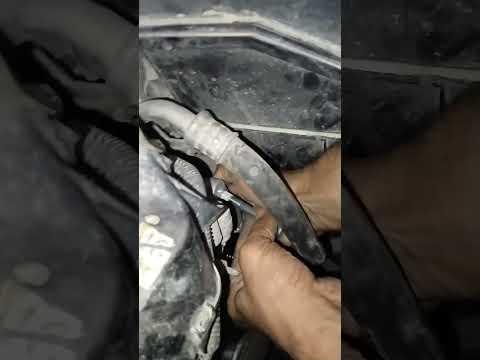







How to Replace the Alternator on a 2016 Lexus ES350 3.5L (2GR)
Step-by-step DIY instructions with tools, parts list, torque specs, belt routing tips, and charging test for 2013, 2014, 2015, 2016, 2017, 2018
How to Replace the Alternator on a 2016 Lexus ES350 3.5L (2GR)
Step-by-step DIY instructions with tools, parts list, torque specs, belt routing tips, and charging test for 2013, 2014, 2015, 2016, 2017, 2018


🔧 ES350 - Alternator Replacement
The alternator charges your battery and powers the vehicle’s electrical system while the engine runs. Replacing it involves disconnecting the battery, removing the drive belt, unbolting the alternator, and reinstalling everything with correct torque.
Difficulty Level: Intermediate | Estimated Time: 2-4 hours
Assumption: Factory layout for your ES350 3.5L (2GR) with OEM-style serpentine belt routing.
⚠️ Safety & Precautions
- ⚠️ Disconnect the negative battery cable first to prevent a short at the alternator B+ terminal.
- ⚠️ Work on a cool engine; the radiator and exhaust area can burn you.
- ⚠️ Support the car with jack stands; never rely on a floor jack alone.
- ⚠️ Keep tools away from the alternator main power stud; it’s direct battery power.
🔧 Required Tools
You'll need the following tools for this repair:
- Safety glasses
- Mechanic gloves
- Floor jack (rated 2-ton minimum)
- Jack stands (rated 2-ton minimum)
- Wheel chocks
- 21mm socket
- 3/8" drive ratchet
- 1/2" drive breaker bar
- 3/8" torque wrench (10-80 Nm range)
- 1/2" torque wrench (40-200 Nm range)
- 10mm socket
- 12mm socket
- 14mm socket
- 14mm box wrench
- Serpentine belt tool (specialty)
- Trim clip remover
- Flathead screwdriver
- Needle-nose pliers
- Work light
🔩 Required Parts
HowToo sells all the parts you need for this repair:
- Alternator - Qty: 1
- Serpentine drive belt - Qty: 1
- Engine under cover fastener clips - Qty: 1 set
- Dielectric grease - Qty: 1
📋 Before You Begin
- Park on level ground, shift to Park, and apply the parking brake.
- Chock the rear wheels using wheel chocks.
- Open the hood and keep your radio presets/seat memory in mind (battery will be disconnected).
- Disconnect the battery: use a 10mm socket to remove the negative terminal and isolate it so it can’t spring back.
🔨 Step-by-Step Instructions
Follow these steps in order:
Step 1: Raise the front-right corner and remove the wheel
- Use a 21mm socket and breaker bar to slightly loosen the lug nuts before lifting.
- Lift with a floor jack and support with jack stands at a safe lift point.
- Remove the lug nuts with the 21mm socket and take off the wheel.
- Reinstall later: Torque to 103 Nm (76 ft-lbs) in a star pattern.
Step 2: Remove the lower splash shield/under cover (access)
- Use a trim clip remover and flathead screwdriver to pop out plastic clips.
- Use a 10mm socket to remove any under-cover bolts.
- Set fasteners aside in a tray so they don’t get lost.
Step 3: Relieve belt tension and remove the serpentine belt
- Locate the belt tensioner (spring-loaded arm that keeps the belt tight).
- Use a serpentine belt tool (specialty) or 14mm box wrench on the tensioner hex.
- Rotate the tensioner to release tension, then slide the belt off the alternator pulley.
- Tip: Take a quick belt-routing photo first.
Step 4: Disconnect alternator electrical connections
- Unplug the alternator connector by pressing the lock tab and pulling straight off (use needle-nose pliers gently if needed).
- Remove the rubber boot from the alternator B+ terminal.
- Use a 12mm socket to remove the B+ nut and lift the cable off the stud.
- Keep the cable end from touching metal parts.
Step 5: Remove the alternator mounting bolts and alternator
- Support the alternator with one hand while removing bolts so it doesn’t drop.
- Use a 14mm socket and 3/8" ratchet to remove the alternator mounting bolts.
- Work the alternator out through the access area (you may need to rotate it to clear brackets/hoses).
- Tip: If it feels stuck, check for a hidden bolt.
Step 6: Install the new alternator
- Position the alternator in place and start bolts by hand to avoid cross-threading.
- Tighten mounting bolts with a 14mm socket.
- Torque to 43 Nm (32 ft-lbs) for alternator mounting bolts.
Step 7: Reconnect alternator wiring
- Install the main B+ cable onto the stud and thread the nut by hand.
- Use a 12mm socket to tighten the nut: Torque to 10 Nm (89 in-lbs).
- Apply a small amount of dielectric grease inside the connector seal and reconnect the plug until it clicks.
- Reinstall the rubber boot over the B+ terminal.
Step 8: Install the serpentine belt
- If replacing the belt, route the new belt following your photo (ribbed side on ribbed pulleys).
- Use the serpentine belt tool (specialty) or 14mm box wrench to rotate the tensioner and slip the belt onto the alternator pulley last.
- Release tension slowly and confirm the belt is fully seated in every pulley groove.
Step 9: Reinstall splash shield and wheel
- Reinstall the under cover using the 10mm socket and clips with the trim clip remover.
- Reinstall the wheel and snug lug nuts with a 21mm socket.
- Lower the car and final-tighten lug nuts: Torque to 103 Nm (76 ft-lbs).
Step 10: Reconnect battery and verify charging
- Reconnect the negative battery terminal using a 10mm socket.
- Start the engine and confirm the charge warning light is off.
- If you have a multimeter, check voltage at the battery with engine running: it should typically be about 13.5–14.8V.
✅ After Repair
- Listen for belt squeal; if present, shut off and re-check belt seating on pulleys.
- Turn on headlights and A/C and confirm the engine idle stays stable.
- Re-check for any loose tools/fasteners under the hood and under cover.
- If a battery/charging light remains on, inspect the alternator connector and B+ nut tightness.
💰 DIY vs Shop Cost
Shop Cost: ₹25,000-₹55,000 (parts + labor)
DIY Cost: ₹12,000-₹35,000 (parts only)
You Save: ₹13,000-₹20,000 by doing it yourself!
Shop labor rates vary but typically run $100-$150/hour. This repair takes a shop approximately 2-3 hours.
🎯 Ready to get started?
HowToo makes it easy: same-day/2-day shipping on every part, plus all the tools and specialty tools you need! Check out the parts and tools sections below to add everything to your cart.