













How to Replace the Alternator on a 2016-2023 Toyota Tacoma 3.5L V6 (Engine: V6 3.5L)
Step-by-step DIY alternator replacement with tools, parts list, torque specs, safety tips, and post-repair checks
How to Replace the Alternator on a 2016-2023 Toyota Tacoma 3.5L V6 (Engine: V6 3.5L)
Step-by-step DIY alternator replacement with tools, parts list, torque specs, safety tips, and post-repair checks for 2016, 2017, 2018, 2019, 2020, 2021, 2022, 2023


🔧 Tacoma - Alternator Replacement
You’ll remove the serpentine belt, disconnect the wiring, unbolt the alternator, and swap in a new unit on your Tacoma. This is mostly hand-tool work but in a tight space, so patience and careful steps matter.
Difficulty Level: Intermediate | Estimated Time: 2–3 hours
⚠️ Safety & Precautions
- ⚠️ Always disconnect the negative battery terminal before working on the alternator; it carries full charging voltage and can arc.
- ⚠️ Let the engine cool completely before starting; you’ll be working near hot parts.
- ⚠️ Keep fingers, tools, and clothing clear of the serpentine belt path; never rotate the engine with tools in place.
- ⚠️ Support the hood securely and don’t lean hard on plastic engine covers; they can crack.
- ⚠️ Wear safety glasses and gloves to protect from slipping tools and sharp edges.
🔧 Required Tools
You'll need the following tools for this repair:
- 🛠️ 10mm socket
- 🛠️ 12mm socket
- 🛠️ 14mm socket
- 🛠️ 3/8" drive ratchet
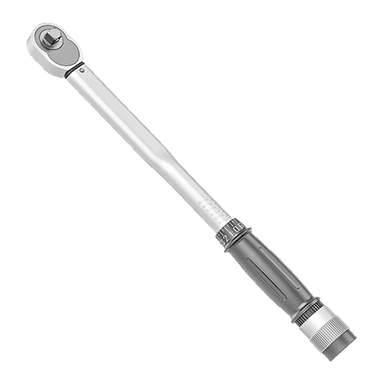
- 🛠️ 3/8" drive torque wrench (5–75 ft-lbs range)
- 🛠️ 6" socket extension
- 🛠️ Serpentine belt tool or long 14mm box-end wrench
- 🛠️ Flathead screwdriver (medium)
- 🛠️ Needle-nose pliers
- 🛠️ Trim clip removal tool (specialty)
- 🛠️ Work light or headlamp
- 🛠️ Mechanic’s gloves
- 🛠️ Safety glasses
- 🛠️ Fender cover
🔩 Required Parts
HowToo sells all the parts you need for this repair:
- 🔩 Alternator (3.5L V6, correct amperage for TRD Sport) - Qty: 1
- 🔩 Serpentine drive belt - Qty: 1 (strongly recommended while you’re here)
- 🔩 Battery terminal cleaning brush - Qty: 1
- 🔩 Dielectric grease - Qty: 1 small tube
- 🔩 Anti-seize compound - Qty: 1 small tube
- 🔩 Replacement plastic clips for engine covers (if damaged) - Qty: 4–6
📋 Before You Begin
- Park the Tacoma on level ground, put it in gear, set the parking brake, and chock a rear wheel.
- Open the hood fully and make sure the hood prop is secure.
- Turn off all electrical loads (lights, radio, AC) and remove the key from the ignition.
- Disconnect the negative battery terminal with a 10mm socket and move the cable end aside so it cannot spring back.
- Take a clear photo of the serpentine belt routing before removal.
🔨 Step-by-Step Instructions
Follow these steps in order:
Step 1: Remove any covers for better access
- Use a 10mm socket to remove any small bolts holding the plastic engine cover on top, if equipped, then lift the cover off.
- If there are plastic push clips, use a trim clip removal tool (specialty) or a flathead screwdriver to gently pry them up.
- Keep bolts and clips in a small tray so none get lost.
Step 2: Locate the alternator and belt tensioner
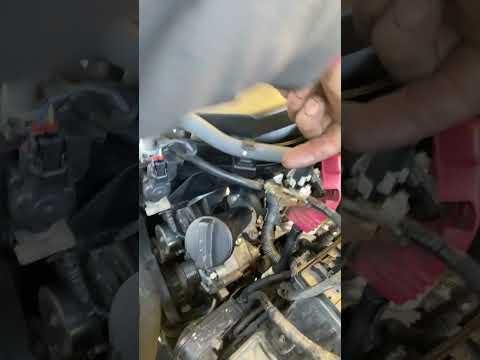
- The alternator is on the front of the engine, upper passenger side, with a pulley and a thick cable attached to the back.
- Find the serpentine belt tensioner: a spring-loaded pulley you’ll rotate with a 14mm socket or 14mm box-end wrench.
- Compare to your belt routing photo to confirm the layout.
Step 3: Release tension and remove the serpentine belt from alternator
- Place a 14mm socket on the tensioner bolt and use a ratchet or serpentine belt tool to rotate the tensioner (usually clockwise) to relieve belt tension.
- While holding the tensioner, slide the belt off the alternator pulley with your free hand.
- Slowly let the tensioner return to its rest position; do not let it snap back.
- You can leave the belt on the other pulleys or fully remove it if you’re replacing it; if removing, note its routing or use your earlier photo.
Step 4: Disconnect alternator electrical connectors
- At the back of the alternator, locate the thick main charging cable attached with a nut, and a smaller plastic plug-style connector.
- Use a 10mm socket to remove the nut on the main cable terminal, then pull the cable eyelet off and gently move it aside.
- Press the locking tab on the smaller connector with your finger or a flathead screwdriver, then pull the connector straight off.
- Do not pull on the wires; only pull on the plastic connector body.
Step 5: Remove alternator mounting bolts
- Locate the two (or three, depending on bracket) alternator mounting bolts on the front of the alternator.
- Use a 14mm socket with a ratchet and extension if needed to loosen and remove the upper and lower mounting bolts.
- Support the alternator with one hand while removing the last bolt so it doesn’t drop suddenly.
- Note: When reinstalling, the alternator mounting bolts should be tightened to 39 Nm (29 ft-lbs).
Step 6: Remove the alternator from the engine bay
- Gently wiggle the alternator forward and out of its bracket; it may be a snug fit on the locating sleeves.
- If it sticks, use a flathead screwdriver gently between the bracket and alternator case to pry slightly, being careful not to damage the aluminum.
- Lift the alternator out of the engine bay, noting the orientation for installing the new one.
Step 7: Prepare the new alternator
- Compare the new alternator to the old one: mounting ears, pulley size, electrical connectors, and clocking (position of the connectors) should match.
- Lightly coat the alternator mounting ears’ contact surfaces with a very thin smear of anti-seize compound using a rag or gloved finger.
- Do not get anti-seize on the pulley or belt.
Step 8: Install the new alternator into place
- Lower the new alternator into the engine bay in the same orientation as the old one.
- Line up the mounting ears with the bracket and slide the alternator into place; you may need to wiggle it slightly by hand.
- Insert the upper and lower mounting bolts by hand to avoid cross-threading.
- Use a 14mm socket and ratchet to snug the bolts, then torque them to 39 Nm (29 ft-lbs) with a torque wrench.
Step 9: Reconnect alternator wiring
- Reinstall the small plastic connector by pushing it onto the alternator terminal until it clicks.
- Place the main charging cable eyelet back on its stud, then install the nut with a 10mm socket by hand first, then snug it gently.
- Torque the main terminal nut to about 9 Nm (80 in-lbs) using a torque wrench; do not overtighten or you can damage the stud.
- Apply a small amount of dielectric grease around the base of the connector if desired for corrosion protection.
Step 10: Reinstall or replace the serpentine belt
- Route the belt according to your photo or the belt diagram sticker under the hood, making sure it sits in the grooves of each ribbed pulley.
- Leave the belt off the alternator pulley for last.
- Use a 14mm socket and ratchet or serpentine belt tool to rotate the tensioner and create slack.
- With the tensioner held, slide the belt onto the alternator pulley, then slowly release the tensioner so it tensions the belt.
- Visually inspect each pulley to confirm the belt is centered and fully seated in all grooves.
Step 11: Reinstall engine cover and clips
- Place the engine cover back in position if removed.
- Install any bolts with a 10mm socket and snug them (just hand tight; no heavy torque needed).
- Press any plastic push clips back into their holes until they click.
Step 12: Reconnect the battery
- Clean the battery terminals with a battery terminal cleaning brush if they are dirty or corroded.
- Install the negative battery cable back onto the negative post.
- Use a 10mm socket to tighten the clamp bolt; torque to about 5 Nm (44 in-lbs), just snug enough that the terminal cannot twist by hand.
✅ After Repair
- Start the engine and watch the instrument cluster: the battery/charging warning light should turn off and stay off.
- Listen for any unusual squealing or grinding from the belt area; if heard, shut off the engine and recheck belt routing.
- If you have a multimeter, measure battery voltage at idle: it should be around 13.5–14.5 volts.
- Turn on headlights, blower fan, and rear defogger; the voltage should stay above about 13 volts, confirming good alternator output.
- Take a short test drive, then recheck under the hood for any loose connectors or belt misalignment.
💰 DIY vs Shop Cost
Shop Cost: $650–$950 (parts + labor)
DIY Cost: $250–$450 (parts only)
You Save: $400–$500 by doing it yourself!
Shop labor rates vary but typically run $100–$150/hour. This repair takes a shop approximately 1.5–2.0 hours.
🎯 Ready to get started?
HowToo makes it easy: same-day/2-day shipping on every part, plus all the tools and specialty tools you need! Check out the parts and tools sections above to add everything to your cart.
Guide for Alternator replace for these Toyota vehicles
| Year Make Model | Sub Model | Engine | Body Style |
|---|---|---|---|
| 2023 Toyota Tacoma | - | V6 3.5L | - |
| 2022 Toyota Tacoma | - | V6 3.5L | - |
| 2021 Toyota Tacoma | - | V6 3.5L | - |
| 2020 Toyota Tacoma | - | V6 3.5L | - |
| 2019 Toyota Tacoma | - | V6 3.5L | - |
| 2018 Toyota Tacoma | - | V6 3.5L | - |
| 2017 Toyota Tacoma | - | V6 3.5L | - |
| 2016 Toyota Tacoma | - | V6 3.5L | - |