









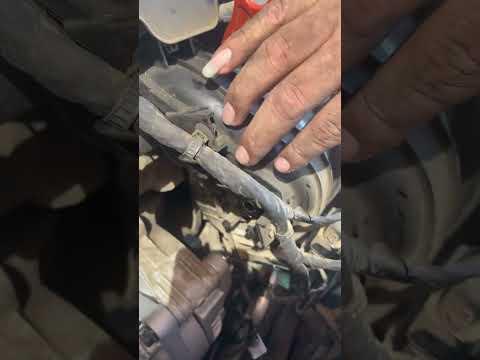







How to Replace the Alternator on a 2016-2020 Kia Optima (Step-by-Step DIY Guide) (Engine: Inline 4 2.0L)
Tools, parts, safety tips, and key torque specs for belt removal, wiring, and alternator installation
How to Replace the Alternator on a 2016-2020 Kia Optima (Step-by-Step DIY Guide) (Engine: Inline 4 2.0L)
Tools, parts, safety tips, and key torque specs for belt removal, wiring, and alternator installation for 2016, 2017, 2018, 2019, 2020


🔧 Optima - Alternator Replacement
The alternator charges your battery and powers the electrical system while the engine runs. On your Optima, replacement mainly involves disconnecting the battery, removing the drive belt from the alternator pulley, unplugging the wiring, and unbolting the alternator.
Difficulty Level: Intermediate | Estimated Time: 2.0-4.0 hours
⚠️ Safety & Precautions
- ⚠️ Let the engine cool fully before working near the radiator and turbo plumbing.
- ⚠️ Disconnect the negative battery cable first to prevent a short at the alternator B+ terminal.
- ⚠️ Support the car securely on jack stands if you go underneath; never rely on the jack alone.
- ⚠️ Keep fingers/tools clear of the belt path; the tensioner is spring-loaded.
- ⚠️ If your Optima has Auto Start-Stop/ISG (rare on this trim), alternator type and relearn steps may differ.
🔧 Required Tools
You'll need the following tools for this repair:
- Safety glasses
- Mechanic gloves
- Floor jack (rated 2-ton minimum)
- Jack stands (rated 2-ton minimum)
- Wheel chocks
- 3/8" drive ratchet
- 1/2" drive breaker bar
- Socket set (8mm, 10mm, 12mm, 14mm, 17mm)
- Wrench set (10mm, 12mm, 14mm)
- Torque wrench (10–150 ft-lbs range)
- Serpentine belt tool (specialty)
- Trim clip removal tool
- Flathead screwdriver
- Flashlight
🔩 Required Parts
HowToo sells all the parts you need for this repair:
- Alternator - Qty: 1
- Serpentine drive belt - Qty: 1
- Underbody shield clips (as needed) - Qty: 1
- Dielectric grease - Qty: 1
📋 Before You Begin
- 🅿️ Park on level ground, shift to Park, and set the parking brake.
- 🧱 Chock the rear wheels with wheel chocks.
- 🔋 Open the hood and make sure you have your radio presets noted (battery disconnect may reset memory).
- 🔌 Plan to disconnect the battery negative terminal before touching the alternator wiring.
🔨 Step-by-Step Instructions
Follow these steps in order:
Step 1: Disconnect the battery
- 🔧 Use a 10mm wrench to loosen the negative battery terminal and remove it from the battery post.
- 🔒 Tuck the cable aside so it cannot spring back onto the post.
- ✅ Torque to 5 Nm (44 in-lbs) when reinstalling the terminal.
Step 2: Raise the front and remove the lower splash shield
- 🔧 Use a floor jack (rated 2-ton minimum) to lift the front of the car at the correct jacking point.
- 🔧 Set the car on jack stands (rated 2-ton minimum) before going underneath.
- 🔧 Use an 8mm socket, 10mm socket, and trim clip removal tool to remove the lower engine splash shield/undertray fasteners.
- ✅ Torque to 7–9 Nm (62–80 in-lbs) for small undertray bolts on reassembly.
Step 3: Release serpentine belt tension
- 🔧 From the top or bottom (whichever gives you better access), use a serpentine belt tool (specialty) or 1/2" breaker bar on the belt tensioner hex.
- 🧠 A serpentine belt tool is a long, thin lever that fits tight spaces to rotate the tensioner safely.
- 🔧 Rotate the tensioner to relieve tension, then slip the belt off the alternator pulley only.
- 📝 Take a quick photo of belt routing.
Step 4: Disconnect alternator electrical connectors
- 🔧 Remove the alternator B+ terminal protective cap by hand (or with a flathead screwdriver gently if needed).
- 🔧 Use a 12mm socket to remove the B+ cable nut, then move the cable aside.
- ✅ Torque to 9–12 Nm (80–106 in-lbs) for the B+ terminal nut on reassembly.
- 🔧 Press the lock tab and unplug the alternator control connector (apply a tiny amount of dielectric grease during reassembly if the connector seal is dry).
Step 5: Remove alternator mounting bolts
- 🔧 Support the alternator with one hand while removing bolts so it doesn’t drop.
- 🔧 Use a 14mm socket and 3/8" drive ratchet to remove the alternator mounting bolts.
- 🔧 If a bolt is tight, switch to a 1/2" breaker bar for controlled leverage.
- ✅ Torque to 49–54 Nm (36–40 ft-lbs) for alternator mounting bolts on reassembly.
Step 6: Remove the alternator from the engine bay
- 🔧 Work the alternator out through the best opening (usually downward past the splash shield opening).
- 🔦 Use a flashlight to confirm no harnesses or hoses are being stretched.
Step 7: Install the new alternator
- 🔧 Position the new alternator in place by hand and start all mounting bolts by hand (no tools yet).
- 🔧 Use a 14mm socket to snug the bolts evenly.
- 🔧 Use a torque wrench to finish tightening: Torque to 49–54 Nm (36–40 ft-lbs).
Step 8: Reconnect alternator wiring
- 🔧 Plug in the alternator control connector until it clicks.
- 🔧 Install the B+ cable and use a 12mm socket to tighten the nut: Torque to 9–12 Nm (80–106 in-lbs).
- 🔧 Reinstall the protective cap over the B+ terminal.
Step 9: Reinstall the serpentine belt
- 🔧 Route the belt correctly on all pulleys, leaving the alternator pulley for last if that’s easiest.
- 🔧 Use the serpentine belt tool (specialty) or 1/2" breaker bar to rotate the tensioner and slip the belt fully onto the alternator pulley.
- 🔎 Visually verify the belt is seated in every pulley groove (no half-on ribs).
Step 10: Reinstall the splash shield and lower the car
- 🔧 Reinstall the undertray using the 8mm socket, 10mm socket, and trim clip removal tool.
- 🔧 Lower the car carefully using the floor jack (rated 2-ton minimum).
Step 11: Reconnect the battery
- 🔧 Reinstall the negative terminal using a 10mm wrench.
- ✅ Torque to 5 Nm (44 in-lbs).
✅ After Repair
- 🔎 Start the engine and confirm the battery/charging warning light stays off.
- 🔌 If you have a multimeter, check charging voltage at the battery: you should typically see about 13.5–14.8V with the engine idling.
- 👂 Listen for belt squeal or chirping; if heard, recheck belt routing and seating.
- 🧭 If your Optima has a battery sensor/charging strategy, it usually relearns on its own after a short drive; if a charging code returns, the next step is a scan for charging-system DTCs.
💰 DIY vs Shop Cost
Shop Cost: ₹18,000–₹40,000 (parts + labor)
DIY Cost: ₹10,000–₹28,000 (parts only)
You Save: ₹8,000–₹12,000 by doing it yourself!
Shop labor rates vary by area; many shops charge about ₹800–₹2,000/hour. This repair takes a shop approximately 2–3 hours.
🎯 Ready to get started?
HowToo makes it easy: same-day/2-day shipping on every part, plus all the tools and specialty tools you need! Check out the parts and tools sections below to add everything to your cart.
Guide for Alternator replace for these Kia vehicles
| Year Make Model | Sub Model | Engine | Body Style |
|---|---|---|---|
| 2020 Kia Optima | - | Inline 4 2.4L | - |
| 2020 Kia Optima | - | Inline 4 2.0L | - |
| 2019 Kia Optima | - | Inline 4 2.4L | - |
| 2019 Kia Optima | - | Inline 4 2.0L | - |
| 2018 Kia Optima | - | Inline 4 2.4L | - |
| 2018 Kia Optima | - | Inline 4 2.0L | - |
| 2017 Kia Optima | - | Inline 4 2.4L | - |
| 2017 Kia Optima | - | Inline 4 2.0L | - |
| 2016 Kia Optima | - | Inline 4 2.4L | - |
| 2016 Kia Optima | - | Inline 4 2.0L | - |