









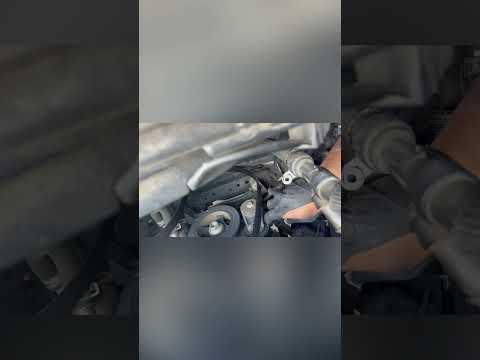




How to Replace the Alternator on a 2016-2020 Dodge Durango 3.6L (DIY Guide) (Engine: V6 3.6L)
Step-by-step instructions with required tools/parts, safety tips, and torque specs
How to Replace the Alternator on a 2016-2020 Dodge Durango 3.6L (DIY Guide) (Engine: V6 3.6L)
Step-by-step instructions with required tools/parts, safety tips, and torque specs for 2016, 2017, 2018, 2019, 2020


🔧 Durango - Alternator Replacement
The alternator charges the battery and powers the electrical system while the engine runs. Replacing it involves disconnecting the battery, removing the serpentine belt, unplugging the alternator wiring, and swapping the unit.
Difficulty Level: Intermediate | Estimated Time: 1.5-3.0 hours
Assumption: Stock 3.6L layout with factory intake/airbox.
⚠️ Safety & Precautions
- ⚠️ Disconnect the negative battery cable before touching alternator wiring.
- ⚠️ Keep hands/tools away from the belt path; the tensioner is spring-loaded.
- ⚠️ Work on a cool engine to avoid burns from the radiator and engine parts.
- ⚠️ Support the hood securely; don’t lean on plastic covers.
🔧 Required Tools
You'll need the following tools for this repair:
- 10mm socket
- 13mm socket
- 15mm socket
- 1/4" ratchet
- 3/8" ratchet
- 3/8" torque wrench (10-100 Nm range)
- 3/8" breaker bar
- 3/8" extension set (3", 6", 10")
- Serpentine belt tool (specialty)
- Flat trim tool
- Needle-nose pliers
- Flashlight
- Safety glasses
- Mechanic gloves
- Fender cover
🔩 Required Parts
HowToo sells all the parts you need for this repair:
- Alternator - Qty: 1
- Serpentine belt - Qty: 1 (recommended if belt is cracked or glazed)
- Dielectric grease - Qty: 1 (small packet)
📋 Before You Begin
- Park on level ground and shift to Park.
- Turn the ignition OFF and remove the key/fob from the vehicle.
- Open the hood and install a fender cover to protect paint.
- Take a quick photo of the belt routing sticker (or the belt path) before removing the belt.
🔨 Step-by-Step Instructions
Follow these steps in order:
Step 1: Disconnect the battery
- Use a 10mm socket to loosen the negative battery terminal clamp and remove it from the battery post.
- Tuck the cable end aside so it cannot spring back onto the post.
Step 2: Remove the intake duct/air inlet (for access)
- Use a flat trim tool to release any plastic clips holding the intake snorkel/duct.
- Use a 10mm socket (as needed) to remove any bolts securing the intake duct/airbox lid area.
- Lift the ducting out of the way to create room at the front of the engine.
- Tip: Take a photo before removing hoses.
Step 3: Release serpentine belt tension
- Find the belt tensioner (spring-loaded pulley).
- Use a serpentine belt tool (specialty) or 15mm socket with a 3/8" breaker bar on the tensioner hex.
- Rotate the tensioner to relieve belt tension, then slide the belt off the alternator pulley.
- Slowly let the tensioner return to rest (do not let it snap).
- A belt tool is a long, thin handle made for tight spaces.
Step 4: Unplug the alternator electrical connector
- Locate the small plug on the alternator.
- Press the locking tab and pull the connector straight out.
- If the tab is stubborn, use needle-nose pliers gently—don’t crush the connector.
Step 5: Remove the alternator B+ (power) cable
- Remove the protective rubber boot covering the alternator power stud.
- Use a 13mm socket to remove the nut holding the main power cable.
- Move the cable aside so it cannot touch metal.
Step 6: Remove alternator mounting bolts
- Support the alternator with one hand while removing bolts.
- Use a 15mm socket with a 3/8" ratchet and extensions to remove the alternator mounting bolts.
- Lift the alternator out from the top. If it’s tight, rotate it slightly to clear nearby hoses/brackets.
Step 7: Install the new alternator
- Set the new alternator into place and hand-start the mounting bolts to avoid cross-threading.
- Use a 15mm socket to snug the bolts, then tighten with a 3/8" torque wrench.
- Torque to 54 Nm (40 ft-lbs) for alternator mounting bolts.
Step 8: Reconnect alternator wiring
- Install the main power cable on the alternator stud and start the nut by hand.
- Use a 13mm socket and 3/8" torque wrench to tighten the nut.
- Torque to 13 Nm (115 in-lbs) for the B+ terminal nut.
- Reinstall the rubber boot over the stud.
- Apply a tiny amount of dielectric grease to the small plug seal, then push the plug in until it clicks.
Step 9: Reinstall the serpentine belt
- Route the belt according to the under-hood belt diagram.
- Use the serpentine belt tool (specialty) or 15mm socket with 3/8" breaker bar to rotate the tensioner.
- Slip the belt fully onto the alternator pulley, then slowly release the tensioner.
- Visually confirm the belt is centered on every pulley groove.
Step 10: Reinstall intake ducting and reconnect the battery
- Reinstall the intake duct/snorkel using the flat trim tool for clips and a 10mm socket for any bolts.
- Reconnect the negative battery terminal and tighten with a 10mm socket.
✅ After Repair
- Start the engine and make sure the battery/charging warning light turns off.
- Listen for belt squeal or chirping; if you hear it, shut off and re-check belt alignment.
- If you have a voltmeter, check charging voltage at the battery with engine running: typically around 13.5–14.7V.
- Re-check the alternator power stud boot is fully covering the terminal.
💰 DIY vs Shop Cost
Shop Cost: $450-$900 (parts + labor)
DIY Cost: $180-$450 (parts only)
You Save: $270-$450 by doing it yourself!
Shop labor rates vary but typically run $100-$150/hour. This repair takes a shop approximately 1.5-3.0 hours.
🎯 Ready to get started?
HowToo makes it easy: same-day/2-day shipping on every part, plus all the tools and specialty tools you need! Check out the parts and tools sections below to add everything to your cart.
Guide for Alternator replace for these Dodge vehicles
| Year Make Model | Sub Model | Engine | Body Style |
|---|---|---|---|
| 2020 Dodge Durango | - | V6 3.6L | - |
| 2019 Dodge Durango | - | V6 3.6L | - |
| 2018 Dodge Durango | - | V6 3.6L | - |
| 2017 Dodge Durango | - | V6 3.6L | - |
| 2016 Dodge Durango | - | V6 3.6L | - |