









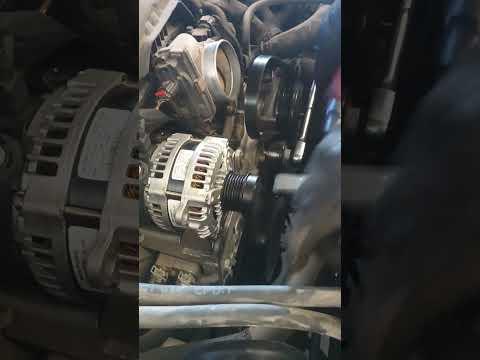





How to Replace the Alternator on a 2014-2018 Chevrolet Silverado 1500 4.3L (Engine: V6 4.3L)
Step-by-step instructions with tools, parts, torque specs, and safety tips
How to Replace the Alternator on a 2014-2018 Chevrolet Silverado 1500 4.3L (Engine: V6 4.3L)
Step-by-step instructions with tools, parts, torque specs, and safety tips for 2014, 2015, 2016, 2017, 2018


🔧 Alternator - Replacement
On your Silverado, the alternator is driven by the serpentine belt and tied into the battery charging system. Replacing it means disconnecting the battery, removing the belt, unplugging the alternator, and swapping the unit with the same style and amperage rating.
Difficulty Level: Intermediate | Estimated Time: 1.5-3 hours
⚠️ Safety & Precautions
- Disconnect the negative battery cable before starting. The charging cable at the alternator is always hot unless the battery is disconnected.
- Keep hands, clothing, and tools clear of the belt and pulleys. The belt system can pinch hard.
- Let the engine cool fully before working near the front of the engine bay.
- Use jack stands only if you raise the truck. Never rely on a jack alone.
- If your Silverado has aftermarket electronics or a battery monitor reset requirement, make sure voltage stays stable during the repair.
🔧 Required Tools
You'll need the following tools for this repair:
- 10mm wrench
- 13mm socket
- 15mm socket
- 3/8-inch drive ratchet
- 3/8-inch drive breaker bar
- Serpentine belt tool (specialty)
- Torque wrench
- Trim clip tool
- Safety glasses
- Mechanic gloves
- Jack stands
- Floor jack (rated 3-ton minimum)
🔩 Required Parts
HowToo sells all the parts you need for this repair:
- Alternator - Qty: 1
- Serpentine belt - Qty: 1
- Alternator mounting bolts - Qty: 1 set
📋 Before You Begin
- Park on level ground and set the parking brake.
- Turn the ignition off and remove the key/fob from the cab.
- Disconnect the negative battery cable with a 10mm wrench.
- Take a quick photo of the belt routing.
- Assumption: your Silverado uses the standard front accessory drive layout for the 4.3L V6.
🔨 Step-by-Step Instructions
Follow these steps in order:
Step 1: Disconnect the battery
- Use a 10mm wrench to remove the negative battery cable.
- Move the cable aside so it cannot spring back and touch the terminal.
Step 2: Remove the serpentine belt
- Use a serpentine belt tool (specialty) or 3/8-inch drive breaker bar on the belt tensioner.
- Rotate the tensioner to release belt tension, then slip the belt off the alternator pulley.
- Remove the belt from the engine bay.
- Check the belt for cracks or glazing.
Step 3: Access the alternator
- If needed, remove the intake duct or nearby cover using the appropriate fasteners and a trim clip tool.
- Clear enough space to reach the alternator electrical connectors and mounting bolts.
Step 4: Disconnect the alternator wiring
- Use a 13mm socket to remove the main charging cable nut.
- Remove the electrical connector by hand after releasing its lock tab.
- Keep the cable from touching metal.
Step 5: Remove the alternator
- Use a 15mm socket and 3/8-inch drive ratchet to remove the alternator mounting bolts.
- Support the alternator with one hand as you remove the last bolt.
- Lift the alternator out of the engine bay.
Step 6: Install the new alternator
- Set the new alternator in place and start all bolts by hand.
- Use a 15mm socket to snug the bolts evenly.
- Torque to 50 Nm (37 ft-lbs).
Step 7: Reconnect the wiring
- Reconnect the electrical plug until it clicks.
- Install the charging cable with a 13mm socket.
- Torque to 13 Nm (115 in-lbs).
Step 8: Reinstall the serpentine belt
- Route the belt exactly as it was before removal.
- Use the serpentine belt tool (specialty) or breaker bar to rotate the tensioner again.
- Make sure the belt sits fully in every pulley groove.
Step 9: Reassemble and reconnect power
- Reinstall any intake ducting or covers you removed.
- Reconnect the negative battery cable with a 10mm wrench.
- Make sure the cable is tight and secure.
✅ After Repair
- Start the engine and watch the belt to make sure it tracks correctly.
- Check for warning lights on the dash.
- Use a multimeter at the battery to confirm charging voltage, typically around 13.5-14.8 volts with the engine running.
- Listen for belt squeal, bearing noise, or electrical warning messages.
💰 DIY vs Shop Cost
Shop Cost: $550-$950 (parts + labor)
DIY Cost: $180-$450 (parts only)
You Save: $370-$500 by doing it yourself!
Shop labor rates vary but typically run $100-$150/hour. This repair takes a shop approximately 1.5-3 hours.
🎯 Ready to get started?
HowToo makes it easy: same-day/2-day shipping on every part, plus all the tools and specialty tools you need! Check out the parts and tools sections below to add everything to your cart.