









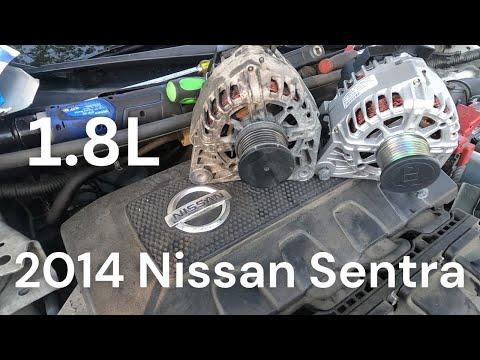




How to Replace the Alternator on a 2013-2019 Nissan Sentra 1.8L (Engine: Inline 4 1.8L)
Step-by-step instructions with tools, parts, safety tips, and charging system checks
How to Replace the Alternator on a 2013-2019 Nissan Sentra 1.8L (Engine: Inline 4 1.8L)
Step-by-step instructions with tools, parts, safety tips, and charging system checks for 2013, 2014, 2015, 2016, 2017, 2018, 2019


Assumption: This procedure is for the 1.8L Sentra with standard front-mounted alternator layout.
🔧 Alternator - Replacement
The alternator charges the battery and powers the electrical system while the engine is running. If it fails, you may see a battery warning light, dim lights, or repeated dead-battery starts. Replacing it means safely disconnecting the battery, removing the drive belt, swapping the alternator, and then rechecking charging output.
Difficulty Level: Intermediate | Estimated Time: 2-4 hours
⚠️ Safety & Precautions
- Disconnect the negative battery cable before starting. The alternator has constant battery power.
- Keep hands, tools, and clothing away from the belt and pulleys.
- Do not short the alternator output terminal to ground.
- If the engine has been running, let it cool first. The exhaust and belt area can be hot.
- Use jack stands if you need access from underneath. Never rely on a jack alone.
🔧 Required Tools
You'll need the following tools for this repair:
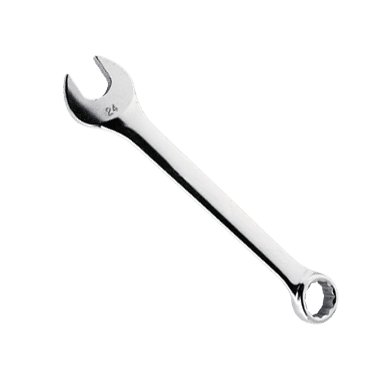
- 10mm wrench
- 12mm socket
- 14mm socket
- Ratchet
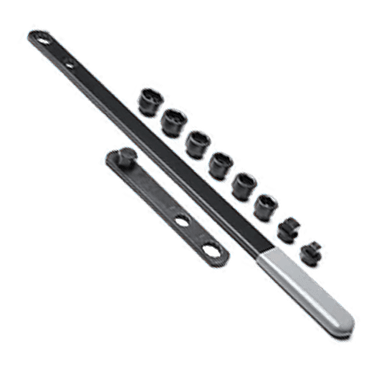
- Serpentine belt tool (specialty)
- Torque wrench
- Flat-blade trim tool
- Battery terminal wrench
- Jack stands
- Floor jack (rated 3-ton minimum)
- Safety glasses
- Mechanic gloves
🔩 Required Parts
HowToo sells all the parts you need for this repair:
- Alternator - Qty: 1
- Serpentine belt - Qty: 1
- Alternator mounting bolts - Qty: 1 set
📋 Before You Begin
- Park on level ground and set the parking brake.
- Turn the ignition off and remove the key or keep the fob away from the car.
- Disconnect the negative battery cable using the 10mm wrench.
- If the belt looks cracked or glazed, replace it while everything is apart.
🔨 Step-by-Step Instructions
Follow these steps in order:
Step 1: Disconnect battery power
- Use the 10mm wrench to loosen the negative battery terminal.
- Remove the cable and secure it away from the battery post.
- Prevents electrical shorts.
Step 2: Remove the air inlet parts for access
- Use the flat-blade trim tool to release any clips on the air duct or intake resonator.
- Remove the intake tube if it blocks access to the alternator and belt area.
- Set the parts aside in order so reassembly is easy.
Step 3: Raise the front of the vehicle if needed
- If bottom access is tight, lift the front with the floor jack.
- Support it with jack stands.
- Never work under a car on a jack alone.
Step 4: Remove the serpentine belt
- Use the serpentine belt tool (specialty) to rotate the belt tensioner.
- Slip the belt off the alternator pulley first, then release the tensioner slowly.
- Inspect the belt now. Replace it if there are cracks, glazing, or fraying.
Step 5: Disconnect the alternator wiring
- Use the 10mm wrench to remove the protective cover and output cable nut.
- Unplug the electrical connector by pressing the lock tab and pulling it straight off.
- Move the wires aside so they cannot snag.
Step 6: Remove the alternator bolts
- Use the 14mm socket and ratchet to remove the main mounting bolt(s).
- Support the alternator with one hand while removing the last bolt.
- If the unit is stuck, gently work it free without prying on the aluminum housing.
Step 7: Remove the alternator
- Lift the alternator out through the top or lower opening, whichever gives the cleanest path.
- Compare the old and new parts before installation.
Step 8: Install the new alternator
- Set the new alternator in place by hand.
- Install the mounting bolts finger-tight first, then tighten with the 14mm socket.
- Torque the alternator mounting bolts to factory specification.
- Start all bolts by hand.
Step 9: Reconnect wiring
- Reconnect the electrical plug until it clicks.
- Install the output cable and nut with the 10mm wrench.
- Torque the output terminal nut to factory specification.
- Reinstall the protective cover.
Step 10: Reinstall the belt
- Route the belt exactly as before using the belt routing diagram under the hood.
- Use the serpentine belt tool (specialty) to rotate the tensioner and slip the belt over the alternator pulley last.
- Check that the belt sits fully in every pulley groove.
Step 11: Reassemble intake parts and lower the car
- Reinstall the air duct and clips using the flat-blade trim tool if needed.
- Lower the vehicle off the jack stands if you raised it.
- Reconnect the negative battery cable with the 10mm wrench.
Step 12: Verify charging operation
- Start the engine and let it idle.
- Watch for warning lights on the dash.
- Use a voltmeter if available. Charging voltage should typically rise above resting battery voltage.
- Listen for belt squeal or grinding.
✅ After Repair
- Test drive the car and confirm the battery light stays off.
- Recheck belt tracking after a short drive.
- Inspect the alternator wiring and battery terminals for looseness.
- If the battery has been weak for a while, have it load-tested.
💰 DIY vs Shop Cost
Shop Cost: $500-$900 (parts + labor)
DIY Cost: $180-$400 (parts only)
You Save: $320-$500 by doing it yourself!
Shop labor rates vary but typically run $100-$150/hour. This repair takes a shop approximately 2-4 hours.
🎯 Ready to get started?
HowToo makes it easy: same-day/2-day shipping on every part, plus all the tools and specialty tools you need! Check out the parts and tools sections below to add everything to your cart.